
Thu Jan 08 01:00:00 UTC 2026: # Sundari Silks and Naushad Ali Collaborate on New Sari Collection Inspired by Tamil Heritage
The Story
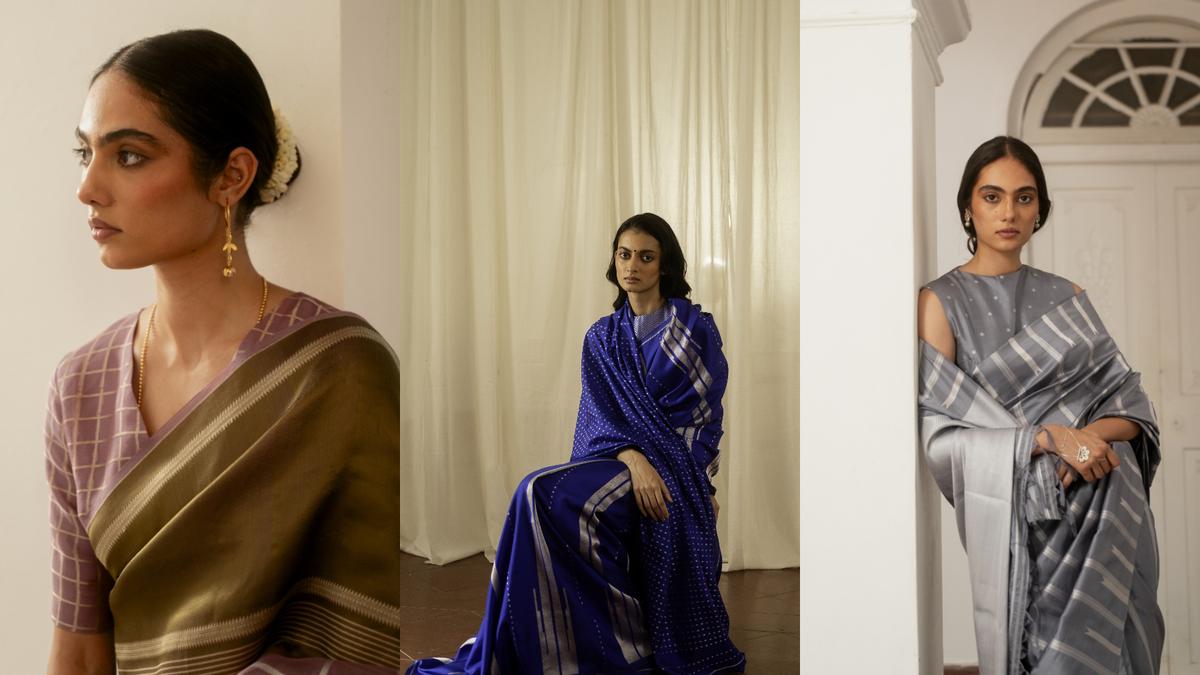
Sundari Silks, a legacy Chennai brand, has collaborated with designer Naushad Ali on a new collection of saris inspired by Tamil heritage. The collection, unveiled in Chennai on January 7, 2026, features 24 saris incorporating elements of Tamil visual culture, such as jasmine flowers, traditional calendar markings, temple borders, and jewelry motifs. The collection aims to blend traditional aesthetics with a contemporary design sensibility.
The collaboration, which took nearly two years to develop, saw Naushad Ali and Manmohan Ram, managing partner of Sundari Silks, travel to Benaras to work with weavers and select colors for the collection. The saris prioritize lightness, comfort, and wearability while highlighting unique Tamil colors and motifs, challenging conventional South Indian sari designs.
Key Points
- Designer Naushad Ali collaborated with Sundari Silks on a sari collection inspired by Tamil heritage.
- The collection features 24 saris with motifs from jasmine flowers, the Tamil calendar (panchangam), temple borders, and jewelry.
- The saris are made with light, comfortable silk and feature unique colors specific to Tamil culture, like “Ramar pacchai.”
- The collaboration aimed to bring a contemporary design approach to the traditional sari.
- The collection is priced at ₹28,000 onwards and is available at Sundari Silks in T Nagar.
Critical Analysis
The context provided shows a series of events highlighting the recent focus on design and weaving within India. Specifically, Chief Minister M.K. Stalin presented awards to weavers and designers just days before this launch (January 3, 2026). This indicates a broader trend of government and industry supporting and promoting local artisans and design innovation within the textile sector, perhaps as a strategic move to bolster the domestic economy and preserve cultural heritage. The push for a design excellence center in Hyderabad (January 4, 2026) further reinforces this narrative.
Key Takeaways
- There is a renewed emphasis on celebrating and revitalizing traditional Indian crafts and designs.
- Collaborations between established brands and contemporary designers are becoming a key strategy for modernizing traditional attire.
- The focus on using locally inspired motifs and colors reflects a growing sense of cultural pride and identity in design.
- The market for contemporized traditional clothing appears to be expanding, attracting both established sari wearers and younger demographics.
- The state and local governments are making an effort to recognize leaders in design and textiles, further strengthening the industry.
Impact Analysis
This collaboration signals a potential shift in the Indian fashion industry towards blending tradition with contemporary design principles. The focus on light, wearable fabrics and subtle motifs could appeal to a broader audience, including younger generations who might have previously considered saris outdated. This initiative not only supports local artisans and weavers but also promotes the rich cultural heritage of Tamil Nadu. If successful, this model could be replicated by other brands and designers across India, contributing to a revitalization of traditional textiles and fostering a deeper appreciation for Indian craftsmanship.
 First Piper