
Thu Jan 08 10:00:59 UTC 2026: # Hoysala-Era Multi-Lingual Inscription Discovered in Karnataka
The Story
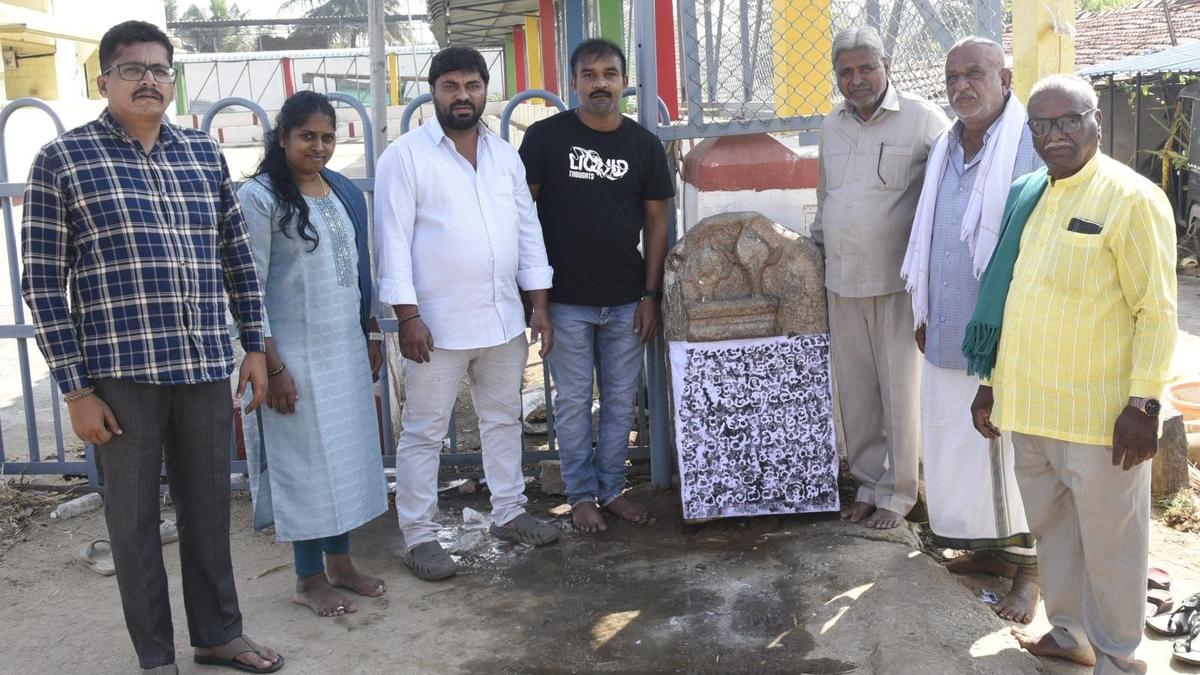
A rare, multi-lingual stone inscription dating back to the 12th century reign of Hoysala king Narasimha I has been discovered at K. Bettahalli village in the Mandya district of Karnataka, India. The inscription, found outside the Mahalakshmi temple, is written in Kannada script using Kannada, Tamil, and Sanskrit. The discovery sheds light on the historical relationship between different linguistic groups in the region and the religious practices of the time. The inscription details land donations for temple rituals during the reign of Narasimha I.
Key Points
- The inscription dates back to the reign of Hoysala king Narasimha I in the 12th century.
- It is a multi-lingual inscription written in Kannada script, employing Kannada, Tamil, and Sanskrit.
- The inscription records a land grant by military commander Karikundi Tillai Koottandi for temple festivals and rituals at the Krishna temple in Sri Yadava Narayana Chaturvedi Mangala (modern-day Kere Tonnuru).
- The Mahalakshmi temple, outside which the inscription was found, was originally constructed during the Hoysala period and later renovated.
- The discovery suggests a close relationship between Kannada and Tamil languages and people during the Hoysala era.
- Other evidence near the site, like the kalasha stone and inscribed pedestal under the Lakshmi statue, confirms the temple’s Hoysala origin.
Critical Analysis
N/A
Key Takeaways
- The inscription provides valuable insights into the administrative practices, religious affiliations, and linguistic landscape of the Hoysala kingdom.
- The discovery highlights the historical interconnectedness between Kannada and Tamil regions, showcasing a period of collaboration and shared cultural influence.
- Archaeological finds like this contribute to a more comprehensive understanding of South Indian history and the role of regional powers like the Hoysalas.
- The fact that a Tamil military commander was donating land to a Hindu temple indicates the religious tolerance and diversity prevalent during the Hoysala period.
- Further research on the inscription and the surrounding area will likely reveal more details about the social and political dynamics of the time.
Impact Analysis
The discovery and study of this inscription can influence tourism and heritage preservation in the Mandya district. It may also stimulate further studies on the Hoysala dynasty.
 First Piper