
Tue Jan 06 18:26:44 UTC 2026: # SIMATS Vice-Chancellor Highlights Education’s Role in India’s Green Transition
The Story
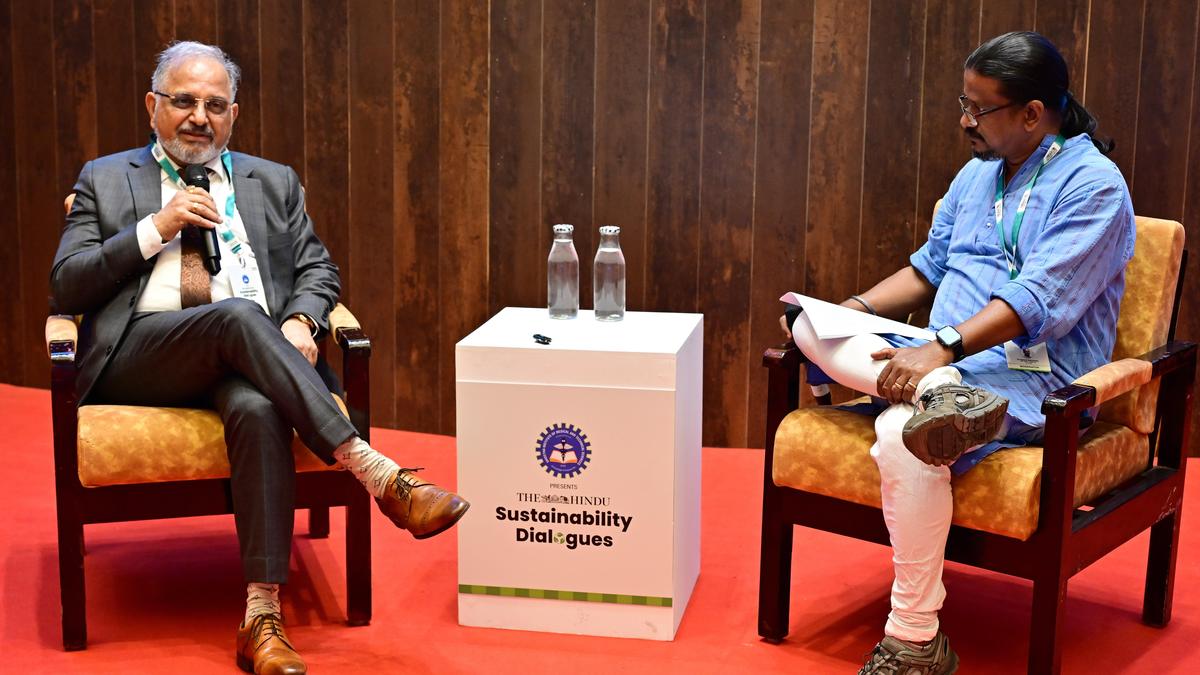
On January 6, 2026, Ashwani Kumar, Vice-Chancellor of Saveetha Institute of Medical and Technical Sciences (SIMATS), emphasized the critical role of educational institutions in advancing sustainability during a fireside chat at The Hindu Sustainability Dialogues. Mr. Kumar stressed that sustainability efforts must extend beyond the institution itself, influencing both students and faculty to drive responsible behavior change. SIMATS is actively integrating Sustainable Development Goals (SDGs) into its curriculum and campus operations.
Key Points
- SIMATS is committed to doubling its solar energy capacity in the next five years and operates sewage treatment plants on campus.
- Approximately 250 modules across disciplines at SIMATS are linked to the SDGs.
- Engineering and medical students are involved in SDG-related projects, including food waste recycling and organic fertilizers.
- SIMATS plans to initiate sustainability clubs to foster students’ innovative ideas.
- The institution is developing a roadmap to achieve net-zero emissions.
- Vice-Chancellor Kumar emphasized that a shift in mindset is crucial for reducing emissions, along with government initiatives.
Critical Analysis
The context reveals the article’s focus on sustainability aligns with broader concerns about air quality in Delhi, as indicated by the “Delhi AQI remains ‘poor'” news snippet from the same day. This suggests that the conversation about sustainable campuses is happening against the backdrop of escalating environmental challenges in India, which could be a driver for the urgency and importance placed on initiatives such as those being implemented by SIMATS.
Key Takeaways
- Educational institutions are increasingly being viewed as crucial drivers of sustainable practices and behavioral change.
- Integrating SDGs into curricula and providing experiential learning opportunities are vital for engaging students in sustainability initiatives.
- Achieving net-zero emissions requires a multi-faceted approach, including technological advancements and changes in individual mindsets.
- Collaboration between institutions, governments, and communities is essential for addressing environmental challenges effectively.
- Small-scale efforts, like malaria control at the household level, can contribute significantly to broader sustainability goals.
Impact Analysis
The emphasis on incorporating sustainability into education has long-term implications for India’s environmental future. By equipping future generations with the knowledge, skills, and mindset needed to address climate change and promote sustainable development, institutions like SIMATS are contributing to a more resilient and environmentally conscious society. The development and adoption of manuals on vector surveillance and control, as mentioned by Vice-Chancellor Kumar, further illustrates the potential for academic research to inform and shape environmental policy on a global scale. The initiative to instill sustainable practices in students will not only benefit them individually but also promote environmental consciousness within communities and future workplaces.
 First Piper