
Wed Jan 07 11:43:04 UTC 2026: Headline: Norway Shatters Temperature Records in 2025, Signals Escalating Climate Crisis
The Story:
Norway experienced its hottest year on record in 2025, according to the Norwegian Meteorological Institute. This follows a summer heatwave and an exceptionally mild winter, with temperatures in the Arctic reaching levels warmer than some southern European cities. The alarming data reinforces concerns about the accelerating pace of climate change and its global impact.
Key Points:
- Record Temperatures: 2025 was Norway’s hottest year ever recorded.
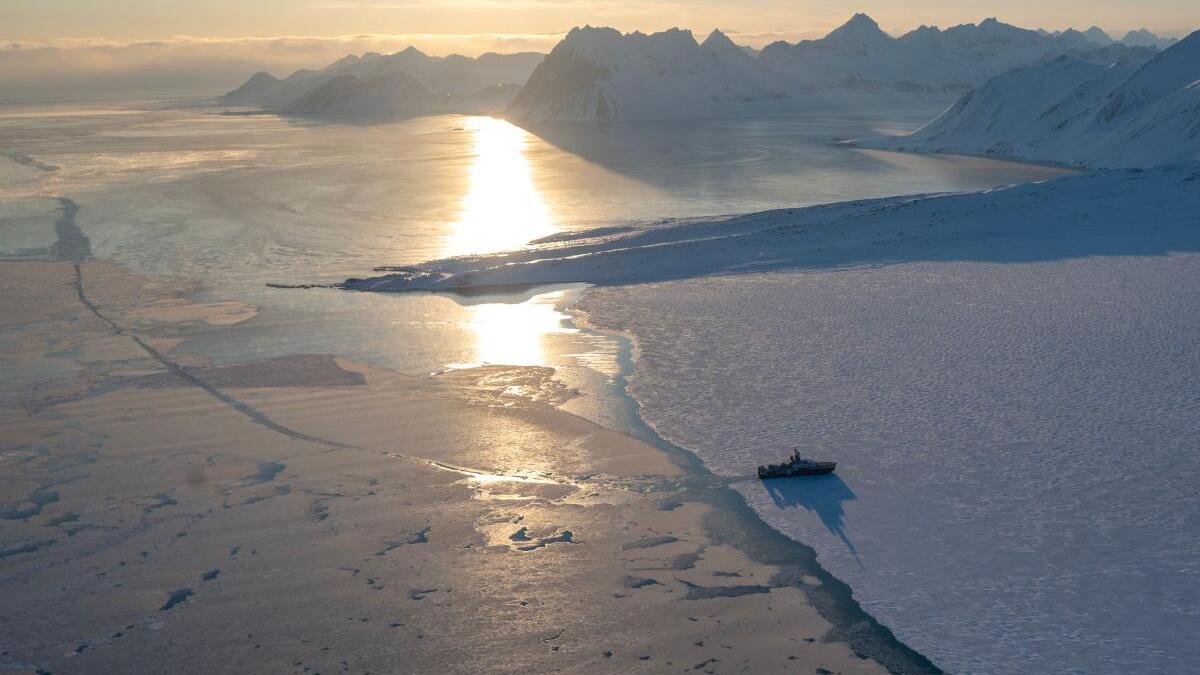
- Arctic Anomaly: Longyearbyen, Svalbard, reached 4°C on December 22, exceeding temperatures in Seville and Ankara.
- National Increase: Norway’s national temperatures were 1.5°C higher than the 1991-2020 average and 2.8°C above pre-industrial levels (1871-1900).
- Summer Heatwave: A significant heatwave impacted Northern Europe in July 2025, straining emergency services in Finland.
- Snowless Christmas: Many parts of Norway, including Oslo and Trondheim, experienced Christmas without snow.
- UK Impact: Britain also recorded its hottest year in 2025.
Key Takeaways:
- The severity of temperature increases in Norway highlights the disproportionate impact of climate change on Arctic regions.
- The frequency of extreme weather events is projected to increase, requiring significant adaptation and mitigation efforts.
- The interconnectedness of global climate patterns is evident, with both Norway and the UK experiencing record-breaking heat in the same year.
Impact Analysis:
- Environmental: Accelerated melting of glaciers and permafrost in the Arctic, contributing to sea-level rise and potential release of greenhouse gases. Impacts to local flora and fauna.
- Societal: Increased strain on infrastructure and emergency services due to heatwaves and extreme weather events. Potential disruptions to traditional livelihoods dependent on cold weather and snow.
- Economic: Increased costs associated with climate adaptation, infrastructure upgrades, and disaster relief. Impacts to industries such as tourism, fishing, and agriculture.
 First Piper