
Wed Jan 07 01:00:00 UTC 2026: Headline: Echoes of the Past: Tamil Nadu’s Historical Advocacy for States’ Rights Resurfaces
The Story:
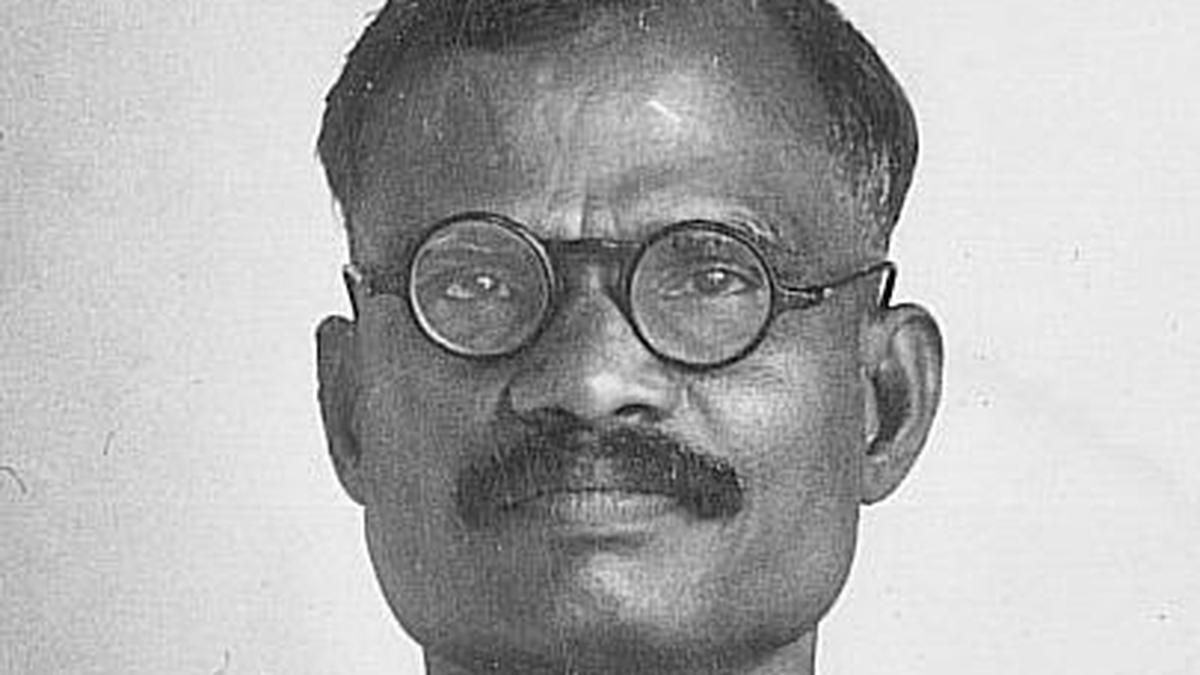
An article published in The Hindu on January 7, 2026, examines the historical context of states’ rights advocacy in India, specifically focusing on Tamil Nadu’s role in the drafting of the Constitution. The piece highlights how even during the Constituent Assembly debates (1946-49), leaders from the region, such as K. Santhanam and N.G. Ranga, voiced concerns about the central government’s growing power. The article also recalls an incident in 1947 involving J. Sivashanmugam Pillai, the first Scheduled Caste Speaker of the Madras Legislative Assembly, and his request for a copy of the draft Constitution, which was denied, sparking debate within the Assembly.
Key Points:
* In the run-up to the Goods and Services Tax (GST) amendment of 2017, Tamil Nadu, led by Jayalalithaa, made demands to defend its rights as a state.
* K. Santhanam and N.G. Ranga opposed the expansion of the Concurrent List during the Constituent Assembly debates.
* B.R. Ambedkar acknowledged the inevitability of the central government becoming stronger.
* J. Sivashanmugam Pillai’s request for a draft Constitution copy was denied.
* S.B. Adityan’s disclosure of Pillai’s denied request led to debates regarding states’ rights within the Madras Legislative Council.
* A. Lakshmanaswami Mudaliar’s resolution calling for the government to secure the draft Constitution was met with opposition.
* P. Subbaroyan, Home Minister at the time, argued for the need for a strong central government.
Critical Analysis:
The flurry of news related to Tamil Nadu in the days leading up to this historical analysis piece points to an active political environment within the state. The Deepam Row verdict and the announcement of free laptops for college students suggest a government focused on addressing cultural and educational needs. Against this backdrop, the Hindu article contextualizes these contemporary issues by highlighting Tamil Nadu’s long-standing tradition of advocating for states’ rights. The Congress MP’s demand for power sharing further amplifies the current tensions between regional and central governance, making the historical analysis particularly relevant.
Key Takeaways:
* The article emphasizes that concerns about the balance of power between the central government and the states in India are not new, with roots dating back to the drafting of the Constitution.
* Tamil Nadu has historically been a vocal advocate for states’ rights and autonomy.
* The debates of the past continue to resonate in present-day discussions about federalism and the distribution of power in India.
* The article underscores the importance of understanding historical context when analyzing contemporary political issues.
Impact Analysis:
This analysis serves as a reminder that the relationship between the central government and the states is not static but rather a dynamic and evolving process shaped by historical precedents, political pressures, and regional identities. The ongoing debates about states’ rights, fiscal federalism, and regional autonomy are likely to continue shaping the political landscape of India for the foreseeable future. By understanding the historical context of these debates, policymakers and citizens can better navigate the challenges and opportunities of a diverse and federal nation.
 First Piper