
Wed Jan 07 08:08:24 UTC 2026: # Delhi Assembly Disrupted Amidst Allegations of Insulting Remarks
The Story:
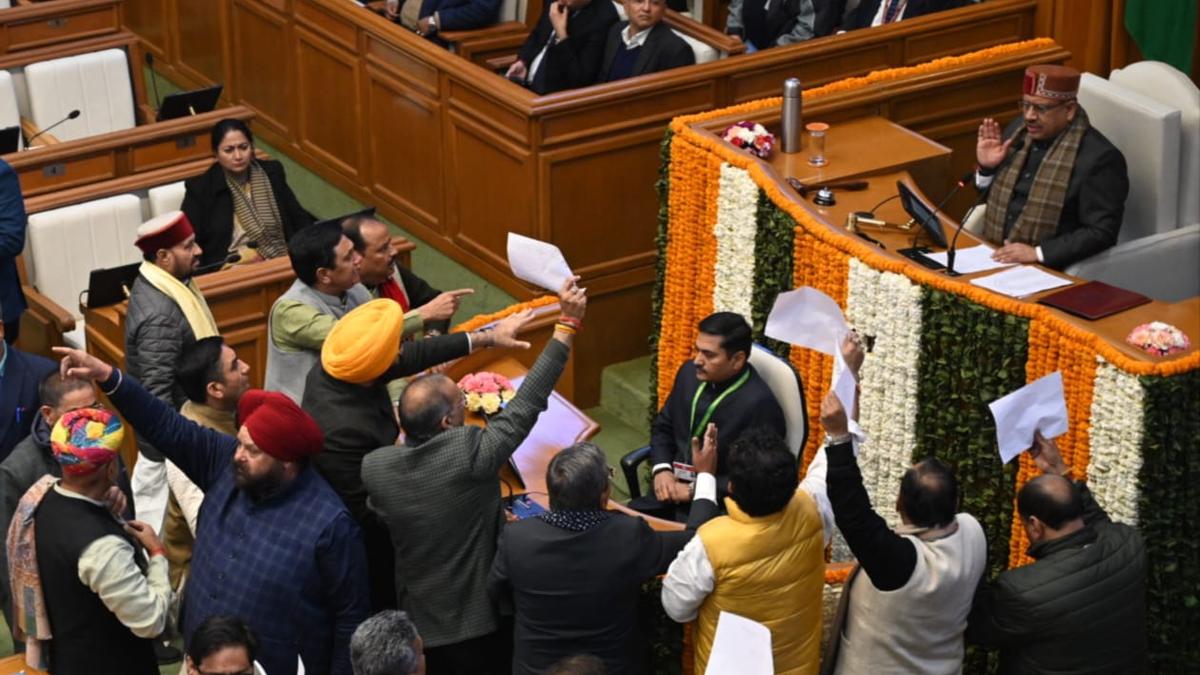
The Delhi Assembly’s Winter Session was marred by disruptions on Wednesday, January 7, 2026, as Bharatiya Janata Party (BJP) MLAs protested against remarks allegedly made by Leader of Opposition (LoP) Atishi, a senior Aam Aadmi Party (AAP) leader. The BJP claims Atishi insulted Guru Tegh Bahadur. The protests led to multiple adjournments of the House. Delhi Minister Kapil Mishra demanded a public apology and announced a Censure Motion against Atishi. Speaker Vijender Gupta expressed disappointment that Atishi had not addressed the matter with him.
Key Points:
- BJP MLAs protested against LoP Atishi’s alleged remarks concerning Guru Tegh Bahadur.
- The protests occurred on Wednesday, January 7, 2026, the third day of the Winter Session.
- The Assembly was adjourned for the day due to the disruptions.
- Minister Kapil Mishra demanded a public apology from Atishi and announced a Censure Motion.
- The AAP claims Atishi was outside Delhi, and the Speaker was not contacted about the issue.
- The alleged comment was inaudible due to the noise of AAP MLAs protesting on air pollution the previous day.
Critical Analysis:
The disruption in the Delhi Assembly reveals the increasingly polarized political climate between the BJP and AAP. The allegation of insulting a religious figure is a sensitive issue in India, and the BJP is leveraging it to put pressure on the AAP. The timing is interesting considering AAP MLAs demanding discussion on air pollution, suggests AAP might have been trying to shift the narrative to environmental issues, but the BJP effectively redirected the focus.
Key Takeaways:
- The incident highlights the volatile relationship between the ruling AAP and the opposition BJP in Delhi.
- Accusations of religious insensitivity can quickly escalate into major political crises in India.
- The disruptions impede the Assembly’s ability to address important issues, such as pollution and pending legislation.
- The call for a Censure Motion indicates a formal attempt to publicly condemn Atishi’s alleged actions.
- The absence of Atishi during the controversy is a strategic misstep.
Impact Analysis:
This event could have lasting repercussions on the relationship between the AAP and the Sikh community, potentially affecting AAP’s electoral prospects in future elections. The Censure Motion, if passed, would further damage Atishi’s reputation and influence within the Assembly. The stalled legislative agenda could also lead to public dissatisfaction, particularly regarding pressing issues like pollution and economic reforms.
 First Piper