
Tue Jan 06 23:20:21 UTC 2026: Headline: Canada Defends Greenland’s Sovereignty Amid Renewed U.S. Interest
The Story:
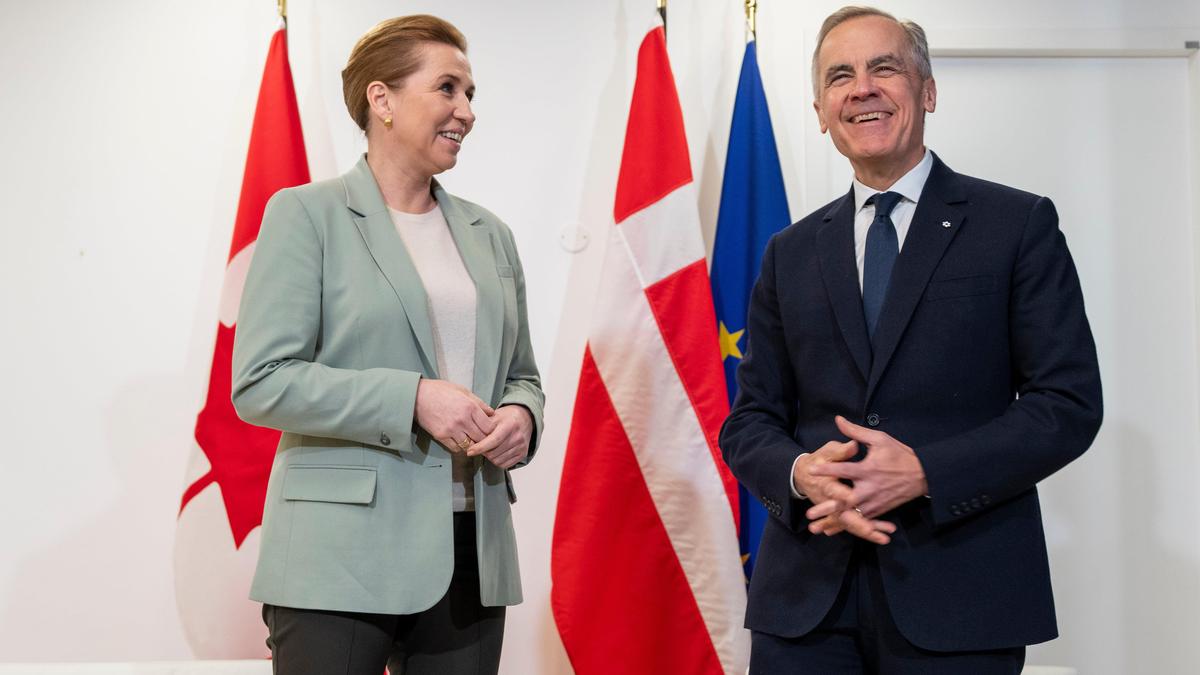
Amidst renewed calls from U.S. President Donald Trump for the U.S. to take control of Greenland and suggestions of making Canada the 51st state, Canadian Prime Minister Mark Carney has reaffirmed his nation’s commitment to Greenland’s sovereignty. This comes during a meeting with Danish Prime Minister Mette Frederiksen in Paris, where both leaders are attending talks on Ukraine. Canada plans to open a consulate in Nuuk, Greenland, with Foreign Minister Anita Anand and Governor General Mary Simon, who is of Inuk descent, scheduled to visit in early February.
The leaders of Canada, France, Germany, Italy, Poland, Spain and the United Kingdom joined Denmark’s Frederiksen on Tuesday, January 6, 2026, in defending Greenland’s sovereignty in the wake of Mr. Trump’s comments about Greenland. They issued a statement reaffirming the strategic, mineral-rich Arctic island “belongs to its people.”
Key Points:
- U.S. President Donald Trump has renewed calls for the U.S. to control Greenland and has previously suggested making Canada the 51st state.
- Canadian Prime Minister Mark Carney met with Danish Prime Minister Mette Frederiksen in Paris to reaffirm Canada’s support for Greenland’s sovereignty.
- Canada plans to open a consulate in Nuuk, Greenland, with Anita Anand and Mary Simon scheduled to visit in early February.
- European leaders have joined Denmark in defending Greenland’s sovereignty, emphasizing the rights of its people.
- Stephen Miller, the White House deputy chief of staff, said Monday (January 5) that Greenland should be part of the United States in spite of a warning by Frederiksen that a U.S. takeover of Greenland would amount to the end of NATO.
- Daniel Béland, a political science professor at McGill University in Montreal, said it’s important at this point for Canada to show solidarity with the people of Greenland.
Key Takeaways:
- The U.S. interest in Greenland creates a point of diplomatic tension between the U.S., Canada, and Denmark.
- Canada is positioning itself as a defender of international law and Greenland’s sovereignty, potentially as a counter to U.S. influence.
- The Arctic region is increasingly viewed as strategically important due to its mineral resources and geopolitical significance.
Impact Analysis:
- Geopolitical Realignment: This event highlights potential shifts in Arctic geopolitics, with the U.S. asserting its interest and Canada acting as a regional counterweight.
- International Relations: The situation could strain relations between the U.S. and its NATO allies, particularly Canada and Denmark.
- Future of Greenland: The long-term impact will depend on Greenland’s ability to maintain its self-governance and navigate competing interests from major powers.
 First Piper