
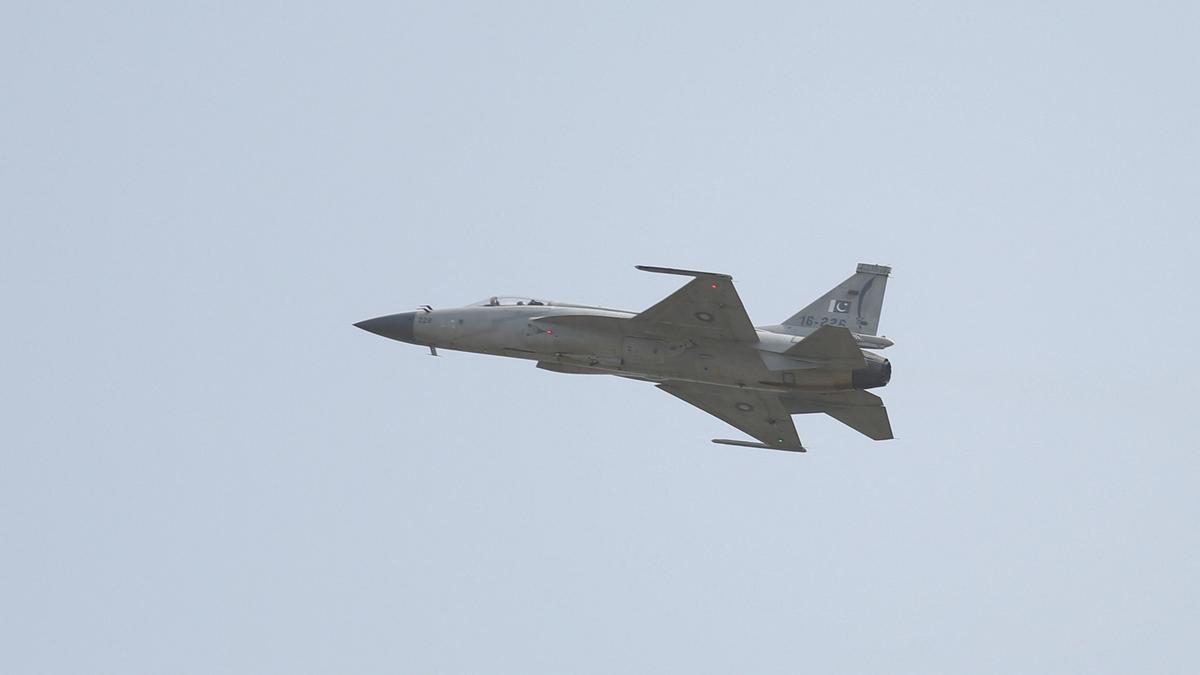
Wed Jan 07 10:55:09 UTC 2026: # Bangladesh Considers Purchasing JF-17 Thunder Aircraft from Pakistan, Signaling Thawing Relations
The Story:
Bangladesh is considering procuring JF-17 Thunder fighter aircraft from Pakistan, according to a statement released by the Pakistan military on January 7, 2026. This potential arms deal was discussed during a meeting in Islamabad between Bangladesh Air Force Air Chief Marshal Hasan Mahmood Khan and Pakistan Air Force (PAF) Air Chief Marshal Zaheer Ahmed Babar Sidhu. The meeting focused on strengthening operational cooperation and institutional synergy, including training, capacity building, and collaboration in aerospace advancements.
The potential acquisition signals a significant shift in relations between the two nations, which were historically strained following Bangladesh’s independence war in 1971. The move follows the rise of the Muhammad Yunus-led government in Bangladesh in August 2024, replacing the government of Sheikh Hasina.
Key Points:
- Bangladesh expressed “potential interest” in procuring JF-17 Thunder fighter aircraft from Pakistan.
- The discussions occurred during a meeting between the Air Chiefs of Bangladesh and Pakistan in Islamabad on January 7, 2026.
- Pakistan claims the JF-17 Thunder proved its combat capabilities during the May 2025 conflict with India.
- Pakistan offered comprehensive training and support for the Bangladesh Air Force.
- The development follows warming relations between Pakistan and Bangladesh after the change in Bangladesh’s political leadership in August 2024.
- The Bangladeshi delegation expressed interest in support for its aging fleet and integration of air defence radar systems.
Critical Analysis:
The potential acquisition of JF-17 Thunder aircraft by Bangladesh reflects a notable shift in its foreign policy and defense strategy. The change in political leadership in August 2024, from the traditionally India-leaning Sheikh Hasina to a new government led by Muhammad Yunus, seems to be a pivotal factor in this realignment. The warming relations are underscored by the resumption of direct flights between the two countries, beginning January 29, 2026. This pivot towards Pakistan, including potential defense cooperation, could be interpreted as a move to diversify Bangladesh’s international partnerships and potentially counterbalance its reliance on India for defense equipment and training. Furthermore, the expressed interest in maintenance support for Bangladesh’s aging fleet suggests a pragmatic need for external assistance that Pakistan is positioned to fulfill.
Key Takeaways:
- A potential arms deal indicates a significant improvement in Pakistan-Bangladesh relations following a change in Bangladesh’s leadership.
- Bangladesh is possibly seeking to diversify its defense partnerships, potentially reducing its reliance on India.
- Pakistan is actively seeking to expand its influence and defense exports in the region.
- Historical animosity between Bangladesh and Pakistan is seemingly being overcome by current geopolitical and economic considerations.
- Pakistan’s claims regarding the JF-17’s performance in the May 2025 conflict with India will likely face scrutiny and independent verification.
Impact Analysis:
The potential sale of JF-17 Thunder aircraft to Bangladesh could have several long-term implications:
- Regional Security: The deal could alter the regional balance of power, potentially increasing Pakistan’s influence in the region and introducing a new dynamic in the India-Bangladesh relationship.
- Defense Market: This sale could boost Pakistan’s defense industry and establish the JF-17 as a more attractive option for other developing nations.
- Diplomatic Repercussions: India may view this development with concern, potentially leading to diplomatic efforts to counter Pakistan’s growing influence in Bangladesh.
- Internal Politics: The arms deal may face internal opposition within Bangladesh from factions still wary of Pakistan due to historical grievances.
- Future Cooperation: Increased cooperation between Pakistan and Bangladesh in the defense sector could extend to other areas, such as trade, infrastructure development, and cultural exchange.
 First Piper