
Wed Jan 07 07:45:07 UTC 2026: # All-India Tiger Estimation Begins in Erode District Amidst Conservation Efforts
The Story:
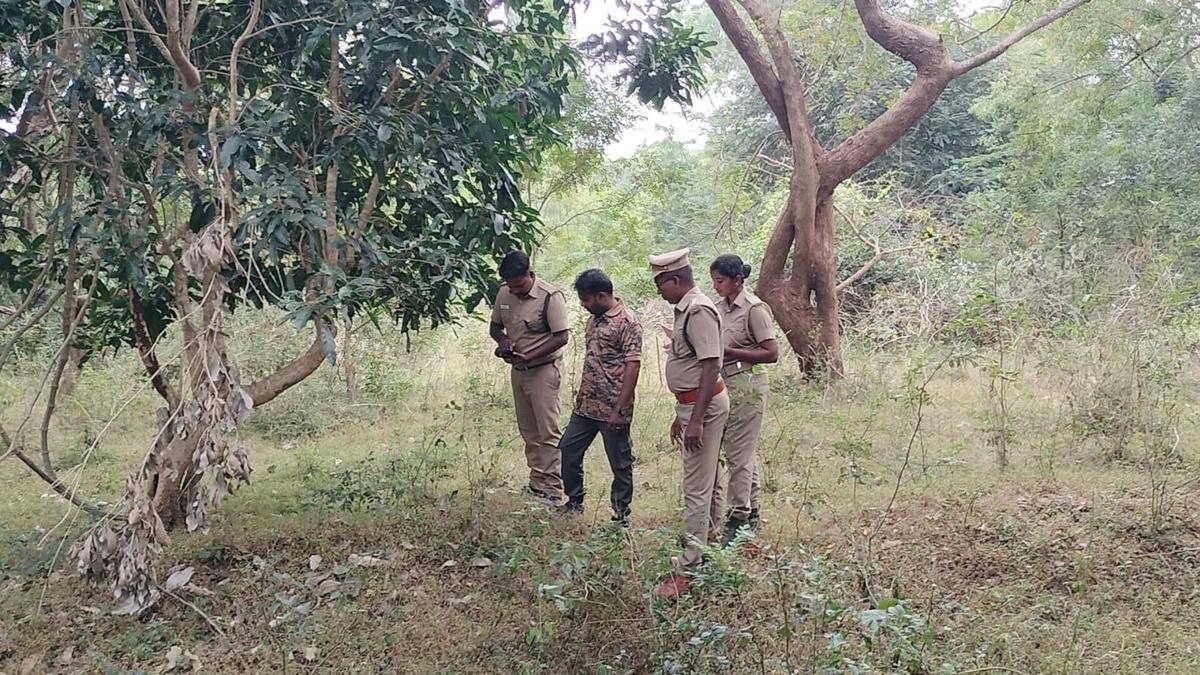
The first phase of the All-India Tiger Estimation-2026 (AITE-26) commenced on January 6, 2026, within the Thanthai Periyar Wildlife Sanctuary, Erode Forest Division. Over 150 forest department staff, divided into teams, are conducting the census across 52 forest patrol beats. The initial three days involve the line transect method to record pugmarks, droppings, and direct sightings of various species, including tigers, leopards, gaur, elephants, and bears. Subsequent days will focus on enumerating large herbivores and scavenging birds.
Key Points:
- The AITE-26 commenced on January 6, 2026, in the Thanthai Periyar Wildlife Sanctuary, Erode Forest Division.
- More than 150 forest department staff are involved in the exercise, working across 52 patrol beats.
- The census includes tigers, leopards, gaur, elephants, bears, large herbivores, and scavenging birds.
- The field-level survey is scheduled to conclude on January 12, 2026, with data submission to the National Tiger Conservation Authority (NTCA) by January 31, 2026.
- The final report is expected to be released in 2027.
Critical Analysis:
The simultaneous timing of the tiger estimation with the mandated shutdown of illegal resorts around the Sathyamangalam Tiger Reserve suggests a concerted effort to improve tiger conservation. Removing human encroachment while assessing tiger populations allows for a more accurate understanding of the tiger population in relation to its habitat. This also indicates a proactive approach by the government to balance conservation efforts with regulatory actions.
Key Takeaways:
- The AITE-26 reflects ongoing efforts to monitor and conserve tiger populations in India.
- The timing of the estimation alongside the closure of illegal resorts highlights a multi-faceted approach to wildlife conservation, combining data collection with habitat protection.
- The data collected will be crucial for informing future conservation strategies and policies.
- The enumeration extends beyond tigers, reflecting an ecosystem-level approach to understanding biodiversity.
Impact Analysis:
The AITE-26 and the enforcement against illegal resorts have significant long-term implications for wildlife conservation in the Erode district and potentially across India. Accurate population data, coupled with improved habitat integrity, is crucial for:
- Informed Policy-making: The data will help in formulating targeted conservation strategies and policies.
- Resource Allocation: Knowing the species distribution and population sizes allows for efficient allocation of resources for conservation efforts.
- Habitat Management: Understanding the vegetation and other species alongside tiger populations aids in effective habitat management and restoration efforts.
- Ecotourism: Sustainable ecotourism opportunities can be explored based on the tiger population and protected habitats.
 First Piper