
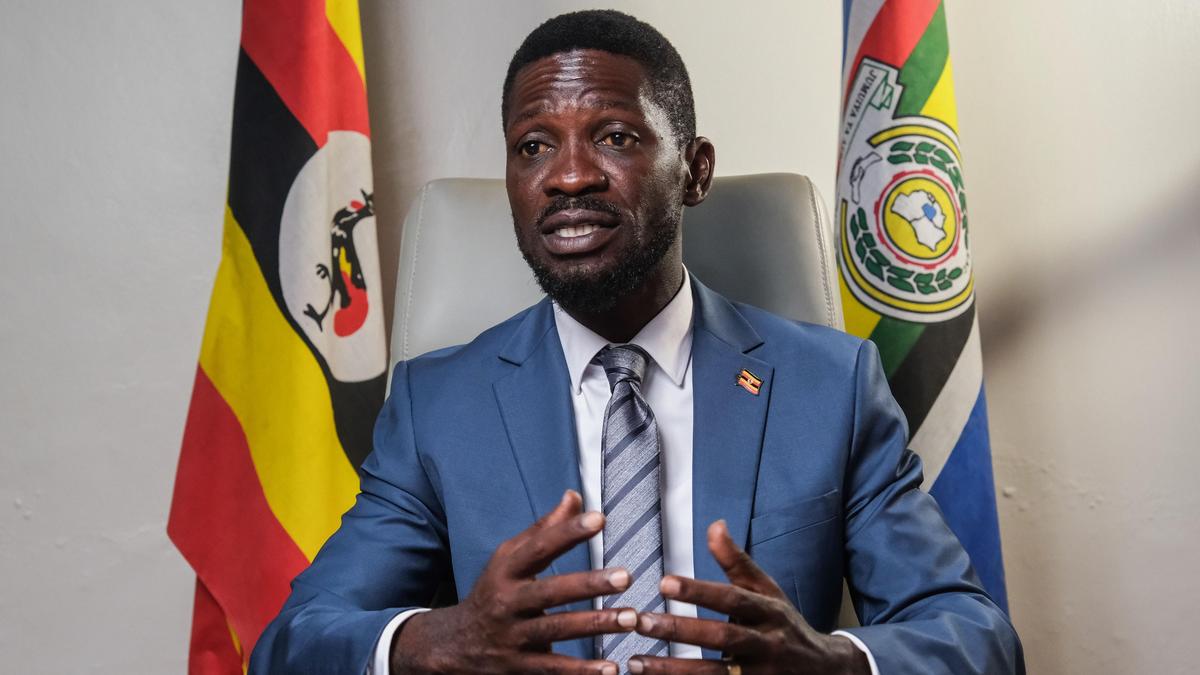
Wed Jan 07 06:53:03 UTC 2026: ### Headline: Uganda’s Museveni Clamps Down on Opposition as Presidential Election Looms
The Story:
With the January 15, 2026 presidential election approaching in Uganda, incumbent President Yoweri Museveni is facing a strong challenge from opposition leader Bobi Wine. The article details a pattern of state-sponsored suppression targeting Mr. Wine and his supporters, including the use of tear gas, beatings, and arrests, all while Mr. Museveni campaigns without disruption. This election marks Mr. Museveni’s attempt to extend his rule into a fifth decade, having been in power since 1986.
Mr. Wine, a musician-turned-politician, is urging supporters to cast “protest votes” against Mr. Museveni’s party. Accusations of electoral interference, violence against opposition members, and the jailing of government critics have raised serious concerns about the fairness and legitimacy of the upcoming election. International human rights groups are condemning the actions of the Ugandan security forces as a “brutal campaign of repression”.
Key Points:
- Bobi Wine, the leading opposition candidate, is campaigning under heavy security due to threats of violence.
- President Yoweri Museveni, in power since 1986, is seeking a seventh term.
- Security forces are allegedly using tear gas, pepper spray, and beatings to disrupt opposition rallies.
- Amnesty International has criticized the pre-election environment as a “brutal campaign of repression”.
- Mr. Museveni defends the use of tear gas as a “non-lethal” method of crowd control.
- Mr. Wine claims that at least three of his supporters have been killed in violent campaign events.
- Sarah Bireete, a government critic, has been arrested and charged with unlawfully sharing data related to the national voters’ registry.
- Mr. Museveni’s son, Muhoozi Kainerugaba, is the Army chief and has been suggested as a possible successor, raising concerns about hereditary rule.
Critical Analysis:
The article suggests a strategic effort by Mr. Museveni to maintain power through the systematic suppression of dissent and the manipulation of the electoral process. This includes leveraging state security forces to intimidate opposition supporters and disrupt their activities, controlling the narrative through state media, and sidelining critical voices through arrests and intimidation. The article points out that Mr. Museveni has been in power for a long time, even rewriting the rules to stay in power.
Key Takeaways:
- Uganda’s upcoming presidential election is occurring amidst significant concerns about fairness and transparency.
- The Museveni government is accused of employing repressive tactics to suppress the opposition and maintain its grip on power.
- The potential for further violence and instability in Uganda is high.
- The international community is watching the situation closely, and the outcome of the election could have significant implications for the region.
- The article paints a picture of a leader, Museveni, who once stood for democracy now struggling to hold onto power at any cost.
Impact Analysis:
The article signals a potential crisis of democracy in Uganda. If the election is perceived as unfair or illegitimate, it could lead to widespread protests and violence, further destabilizing the country and the region. The long-term implications could include:
- Increased political instability: A contested election could trigger prolonged unrest and civil conflict.
- Erosion of democratic institutions: The suppression of opposition voices and the manipulation of the electoral process could weaken Uganda’s democratic institutions.
- Economic repercussions: Political instability could deter foreign investment and disrupt economic growth.
- Regional impact: Instability in Uganda could have spillover effects on neighboring countries, particularly given Uganda’s role in regional security initiatives.
- Human rights crisis: Further crackdowns on dissent could lead to a worsening human rights situation and increased international scrutiny.
 First Piper