
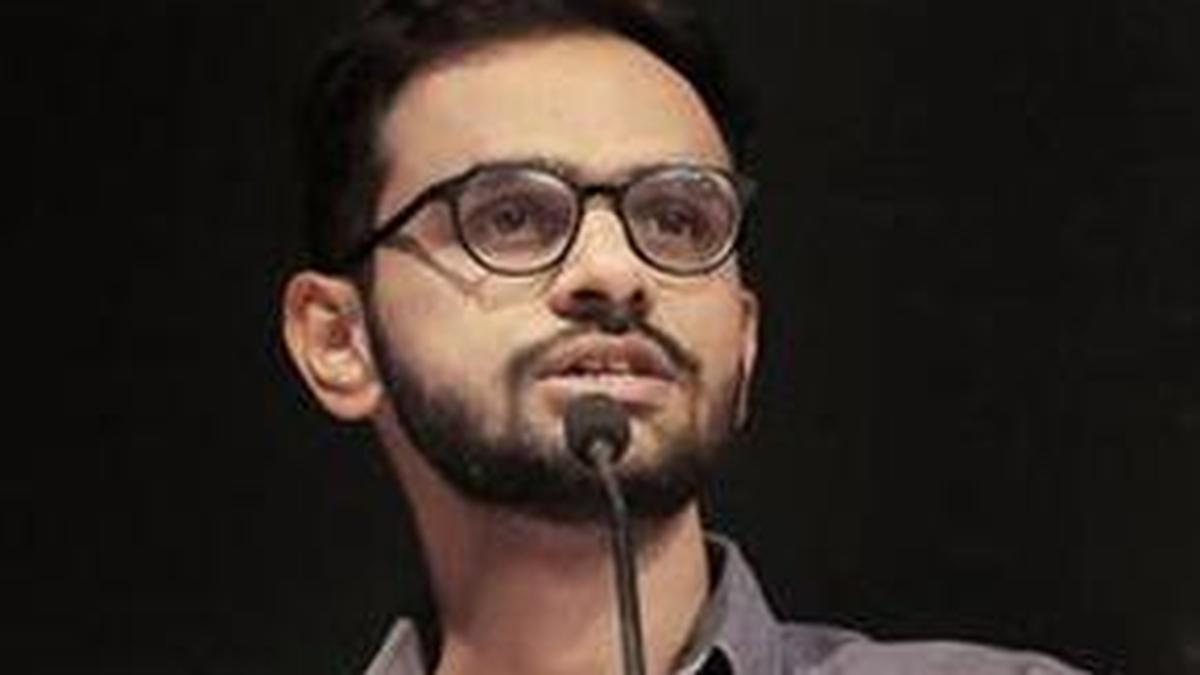
Tue Jan 06 07:30:47 UTC 2026: ### JNU Students Protest Against Modi and Shah After Bail Denial for Khalid and Imam
The Story:
On January 5, 2026, students at Jawaharlal Nehru University (JNU) held a protest, raising slogans against Prime Minister Narendra Modi and Union Home Minister Amit Shah. This protest occurred following the Supreme Court’s decision to deny bail to Umar Khalid and Sharjeel Imam, who were arrested in connection with the 2020 Delhi riots conspiracy case. The protest coincides with the annual condemnation of the January 5, 2020 violence on the JNU campus. While JNUSU president Aditi Mishra claims the slogans were ideological and not personally directed, Delhi Ministers Ashish Sood and Manjinder Singh Sirsa condemned the demonstration, accusing the opposition of supporting separatist elements.
Key Points:
- JNU students protested against Prime Minister Narendra Modi and Home Minister Amit Shah on January 5, 2026.
- The protest was triggered by the Supreme Court’s denial of bail to Umar Khalid and Sharjeel Imam.
- The protest coincides with the annual condemnation of the January 5, 2020, violence on the JNU campus.
- Delhi Ministers Ashish Sood and Manjinder Singh Sirsa criticized the protest, accusing the opposition of supporting separatist ideologies.
- The January 5, 2020, violence involved a mob attacking students on the JNU campus, injuring at least 28 people, including then JNUSU president Aishe Ghosh.
Critical Analysis:
The event highlights the persistent ideological tensions within JNU and the broader political landscape of India. The denial of bail to Umar Khalid and Sharjeel Imam, figures associated with dissent and activism, has reignited protests and accusations of sedition. The condemnation by Delhi Ministers showcases the ruling party’s stance against any perceived anti-national sentiment, further polarizing the political environment. The timing of the protest, coinciding with the anniversary of the 2020 JNU violence, suggests a deliberate attempt to link current grievances with past injustices, amplifying the message. The related context also suggests increased scrutiny and reactions from the BJP in connection with slogans at JNU, after the denial of bail to Umar Khalid.
Key Takeaways:
- The Supreme Court’s decisions in sensitive cases continue to have immediate political ramifications, especially on university campuses.
- JNU remains a focal point for ideological clashes and political activism in India.
- The ruling party’s response to dissent reflects a hard-line stance against perceived anti-national activities.
- The events perpetuate a cycle of protests, accusations, and heightened political tensions.
Impact Analysis:
The events at JNU, combined with the ongoing legal battles of figures like Umar Khalid and Sharjeel Imam, are likely to have lasting impacts on student activism, freedom of expression, and the political discourse in India. The government’s response could further stifle dissent and academic freedom. The repeated clashes and accusations will likely contribute to a polarized society, making constructive dialogue increasingly difficult. The legacy of the 2020 riots and the subsequent legal cases will continue to shape the political narrative and influence future elections and policy decisions.
 First Piper