
Tue Jan 06 09:41:58 UTC 2026: Headline: Supreme Court Hears Challenges to Election Commission’s Special Intensive Revision of Electoral Rolls
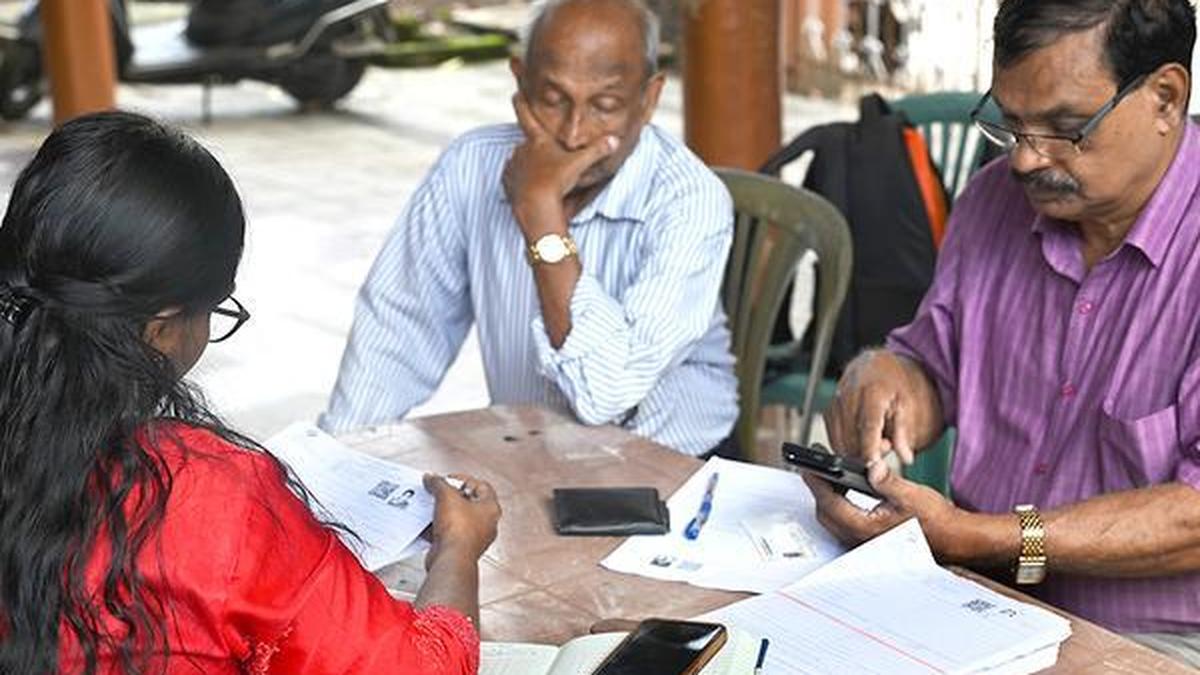
The Story: The Supreme Court continued its hearing on Tuesday, January 6, 2026, regarding petitions challenging the Election Commission of India’s (ECI’s) decision to undertake a Special Intensive Revision (SIR) of electoral rolls in several states, including Bihar. Advocate Ashwini Kumar Upadhyay, representing the ECI, stated during a previous hearing on December 16, that the SIR is necessary to remove illegal aliens from the electoral rolls. Chief Justice Kant had noted the SIR was being held after two decades. Chief Election Commissioner Gyanesh Kumar stated on Monday, January 5, 2026, that the aim is to ensure that all eligible Indian citizens are included in the electoral roll. Senior advocate Rakesh Dwivedi, representing the Election Commission, is raising issues regarding a ‘disguised’ citizenship drive and the indicative documents during the current hearings.
Key Points:
- The Supreme Court is hearing petitions challenging the ECI’s decision to conduct a Special Intensive Revision (SIR) of electoral rolls.
- The SIR is taking place in several states, including Bihar.
- The ECI claims the SIR aims to remove illegal aliens from the electoral rolls.
- The SIR is being held after a gap of 20 years.
- The CEC states the SIR also aims to include all eligible Indian citizens.
- Senior Advocate Rakesh Dwivedi, representing the ECI, raised issues about the intent and documentation in the SIR process.
Critical Analysis:
The context reveals a pattern of legal challenges and scrutiny surrounding the Election Commission of India and its actions. The Trinamool Congress’s motion against the Election Commission over the SIR suggests political opposition to the process, potentially fearing disenfranchisement of certain voter groups. The Supreme Court is acting as a check on the ECI’s actions and the potential overreach of state powers as seen in the Haryana case, and the West Bengal case as well.
Key Takeaways:
- The Special Intensive Revision of electoral rolls is a contentious issue, triggering legal challenges and political opposition.
- The Supreme Court is playing a crucial role in overseeing the electoral process and ensuring fairness and legality.
- There are concerns about the potential for disenfranchisement during the SIR.
- The Election Commission is emphasizing both the removal of ineligible voters and the inclusion of eligible voters.
- The process is under intense legal scrutiny, with questions raised about its underlying intent and the documents required.
Impact Analysis:
The outcome of the Supreme Court’s hearing on the SIR will have significant implications for the integrity and fairness of future elections in India. If the Court finds the SIR unconstitutional or orders modifications, it could lead to a delay or significant changes in the electoral roll revision process. This could impact voter turnout and potentially influence election outcomes. The case also highlights the importance of transparency and due process in electoral roll revisions to maintain public trust in the democratic process.
 First Piper