
Tue Jan 06 04:00:34 UTC 2026: # Assam Opposition Alleges Electoral Roll Irregularities Ahead of Assembly Elections
The Story:
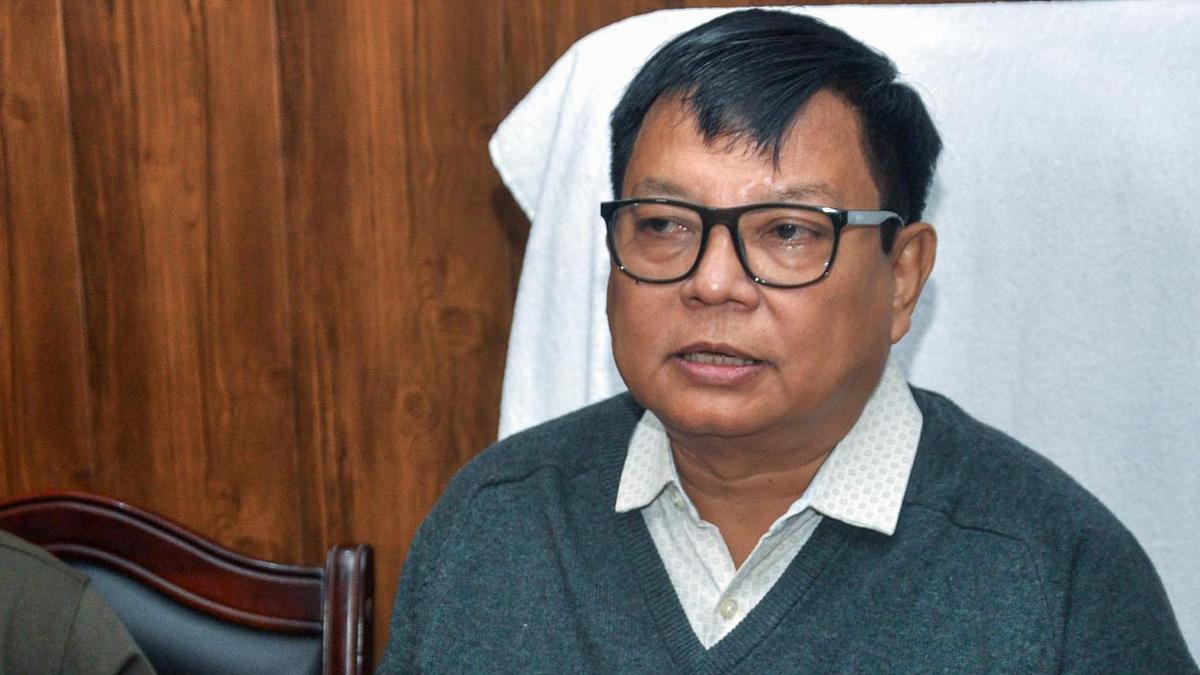
Assam’s Leader of Opposition, Debabrata Saikia of the Congress party, has formally accused the Election Commission of India (ECI) of “serious irregularities” in the draft electoral rolls for the state, published after a Special Revision (SR). In a letter to Chief Election Commissioner Gyanesh Kumar on January 5, 2026, Saikia demanded a halt to the finalization of the rolls until thorough verification and resolution of all irregularities, citing unauthorized inclusion of non-Assamese speaking voters and other procedural lapses. The allegations come months before the upcoming Assam assembly elections.
The draft electoral roll, published on December 30, 2025, indicates a 1.35% increase in the number of voters. Saikia claims that “unknown” individuals have been added as voters without residents’ knowledge, even citing examples with specific addresses in Guwahati and the Nazira constituency. Chief Minister Himanta Biswa Sarma responded by stating that anyone with objections can follow established procedures to effect changes in the final electoral roll.
Key Points:
- Debabrata Saikia alleges “serious irregularities” in Assam’s draft electoral rolls.
- The draft electoral roll shows a 1.35% increase in voters.
- Specific examples of “unknown” voters being added without residents’ knowledge are cited.
- Saikia demands a halt to finalization until all irregularities are resolved.
- Chief Minister Himanta Biswa Sarma advises following established procedures for objections.
- Saikia points to the removal of over 10 lakh individuals for various reasons.
- The final electoral roll is scheduled for publication on February 10, 2026.
Critical Analysis:
The timing of these allegations, just months before the Assam assembly elections, suggests a strategic political move by the Congress party. Saikia’s reference to Rahul Gandhi’s previous allegations implies an attempt to create a narrative of potential vote manipulation, aiming to erode public trust in the electoral process. The Chief Minister’s response, urging adherence to established procedures, can be interpreted as a defensive measure to downplay the allegations and maintain confidence in the electoral process.
Key Takeaways:
- Allegations of electoral roll irregularities can significantly impact public perception of election fairness.
- Timing of such allegations is often politically motivated, especially close to elections.
- Increased voter rolls are not inherently problematic but require scrutiny to ensure accuracy and prevent fraud.
- The Election Commission faces the challenge of maintaining transparency and addressing concerns to uphold the integrity of the electoral process.
Impact Analysis:
The outcome of this situation hinges on how the ECI responds to the allegations. A swift, transparent, and thorough investigation is crucial. If irregularities are confirmed and adequately addressed, public trust can be maintained. However, if the ECI’s response is perceived as inadequate or biased, it could fuel further political polarization and undermine confidence in the upcoming elections, potentially leading to legal challenges and social unrest. The allegations also risk impacting the legitimacy of the assembly elections, regardless of which party wins.
 First Piper