
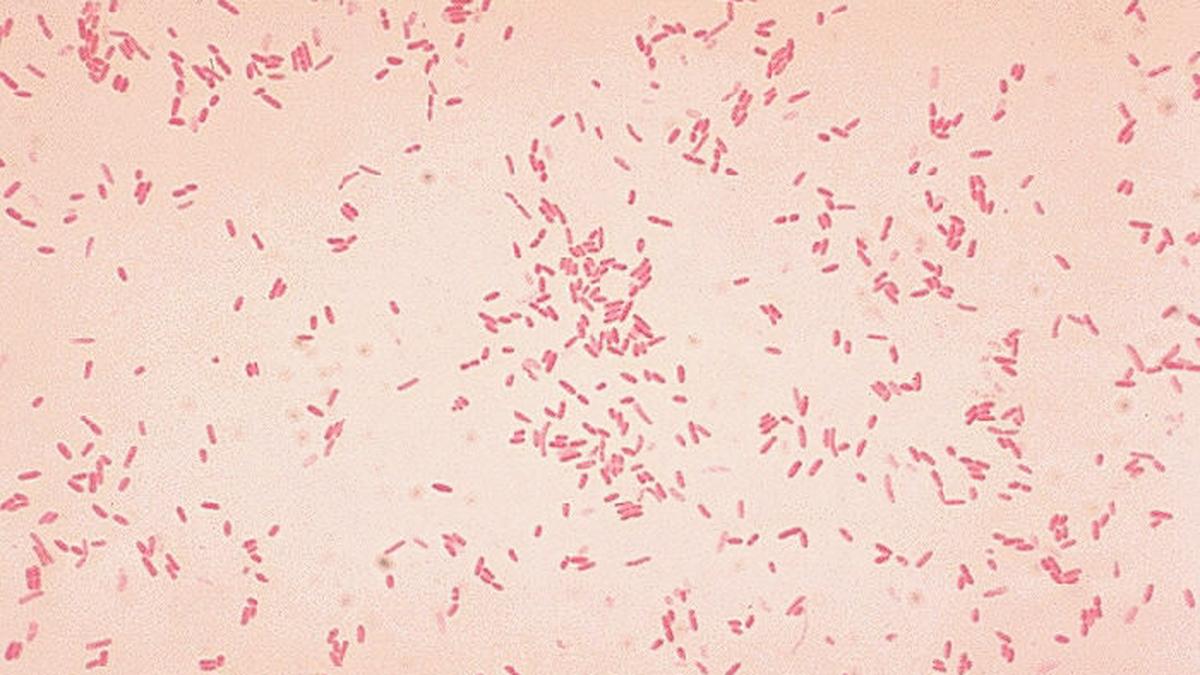
Wed Dec 31 00:00:00 UTC 2025: A new study published in Science on December 31, 2025, challenges the traditional understanding of ulcerative colitis, suggesting the disease may originate with the thinning of a hidden layer of immune cells beneath the gut lining. Researchers at Nanjing University in China identified a strain of Aeromonas bacteria that selectively damages macrophages in this layer.
The study, which examined surgical colon samples from 17 ulcerative colitis patients, found a 67% reduction in macrophage density in seemingly intact regions compared to healthy controls. According to gastroenterologist Minsheng Zhu, aerolysin, a toxin produced by the Aeromonas bacteria, disrupts the macrophage barrier, potentially initiating ulcerative colitis.
A larger screening revealed Aeromonas in 72% of ulcerative colitis patients versus 12% of healthy individuals. While a gastroenterologist at AIIMS Delhi, Vineet Ahuja, hailed the study as a “landmark,” noting microbial triggers’ impact on inflammatory bowel disease, Gilaad Kaplan from the University of Calgary cautioned that further research is needed to determine if the bacteria precedes or results from the disease. Experiments on mice showed that exposure to aerolysin led to inflammation, diarrhea, and weight loss. The research suggests potential for targeted therapies and diagnostics based on microbial subtypes.
 First Piper