
Mon Jan 05 20:53:06 UTC 2026: ### Headline: Israeli Military Strikes Southern and Eastern Lebanon, Escalating Tensions Despite Ceasefire
The Story
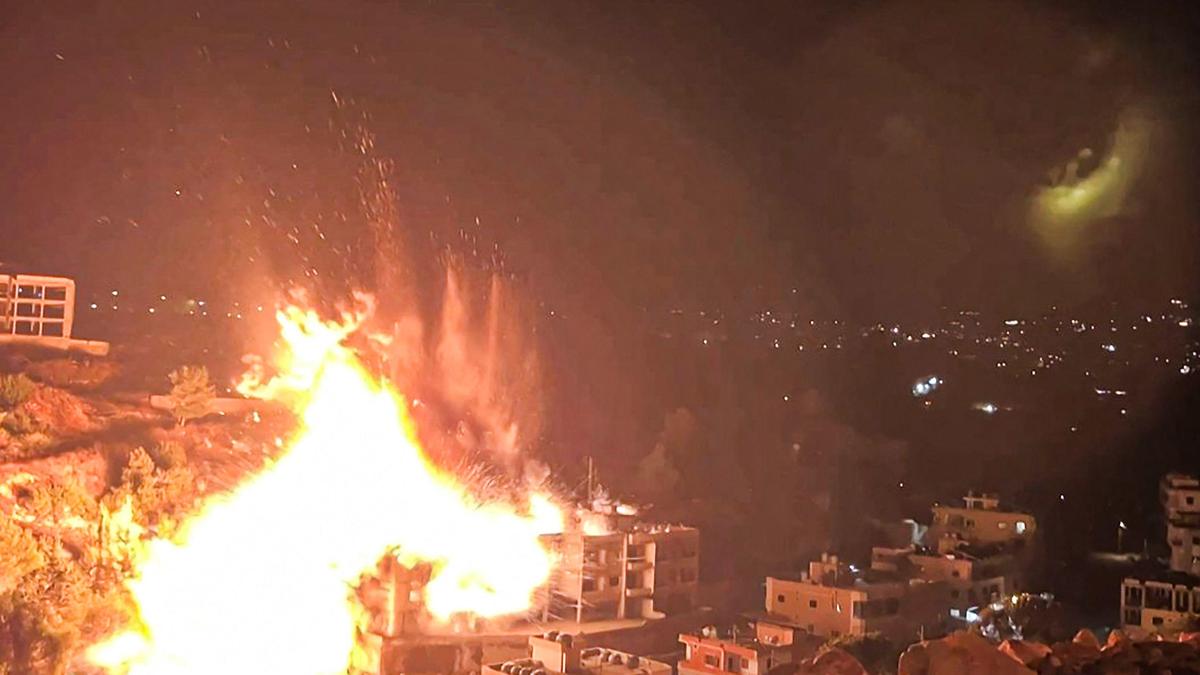
On January 5, 2026, the Israeli military launched strikes on southern and eastern Lebanon, targeting what it claimed were Hezbollah and Hamas targets in four villages. This action followed a warning issued by the Israeli military, marking the first such warning of the year despite an existing ceasefire with Hezbollah. The strikes led to the displacement of families in targeted villages and significant damage to residential and commercial properties. Lebanon’s state media confirmed the strikes, reporting the destruction of a house and substantial damage to surrounding structures in Al-Manara, eastern Lebanon.
Key Points
- The Israeli military launched strikes on southern and eastern Lebanon on January 5, 2026, targeting villages including Kfar Hatta, Annan, Al-Manara, and Ain al-Tineh.
- Israel claimed the targets were Hezbollah and Hamas sites.
- Lebanese state media reported significant damage, including the complete destruction of a house in Al-Manara.
- The targeted home in Al-Manara reportedly belonged to Sharhabil Sayed, a Hamas leader killed by Israel in 2024.
- At least 350 people have been killed by Israeli fire in Lebanon since the ceasefire.
- Lebanon’s army was expected to disarm Hezbollah south of the Litani River by the end of 2025.
Critical Analysis
The timing of these strikes, following Foreign Minister Gideon Saar’s statement on January 3, 2026, that disarmament efforts in Lebanon are insufficient, and the upcoming meeting of Lebanon’s cabinet and the ceasefire monitoring committee, suggests a calculated effort by Israel to exert pressure on Lebanon regarding Hezbollah’s disarmament. The strikes also indicate a continued Israeli strategy of targeting Hamas operatives and infrastructure within Lebanon, despite the ceasefire with Hezbollah. This persistent action demonstrates Israel’s resolve to prevent the re-establishment of a significant Iranian backed ballistic missile program.
Key Takeaways
- The strikes represent a clear violation of the existing ceasefire between Israel and Hezbollah.
- Israel’s actions demonstrate a continued willingness to conduct military operations in Lebanon, despite international pressure and diplomatic efforts.
- The targeting of Hamas sites suggests a broader Israeli strategy of countering Iranian backed operations across the region.
- The timing of the strikes, coupled with Saar’s statement, indicates a potential effort to influence Lebanon’s disarmament efforts.
- The event highlights the fragile security situation in the region and the potential for further escalation.
Impact Analysis
The ongoing strikes and the resulting casualties risk destabilizing Lebanon further, undermining efforts to disarm Hezbollah and potentially triggering a new phase of conflict. The displacement of civilians and the destruction of property will exacerbate the humanitarian situation in southern Lebanon. The strikes could also embolden other regional actors, escalating tensions and undermining broader efforts to achieve a lasting peace. The international community will likely increase pressure on both Israel and Lebanon to de-escalate and adhere to the ceasefire agreement. A failure to do so could lead to a wider regional conflict.
 First Piper