
Mon Jan 05 18:14:32 UTC 2026: ### Headline: Iran Faces Widespread Protests Amid Economic Crisis and International Scrutiny
The Story:
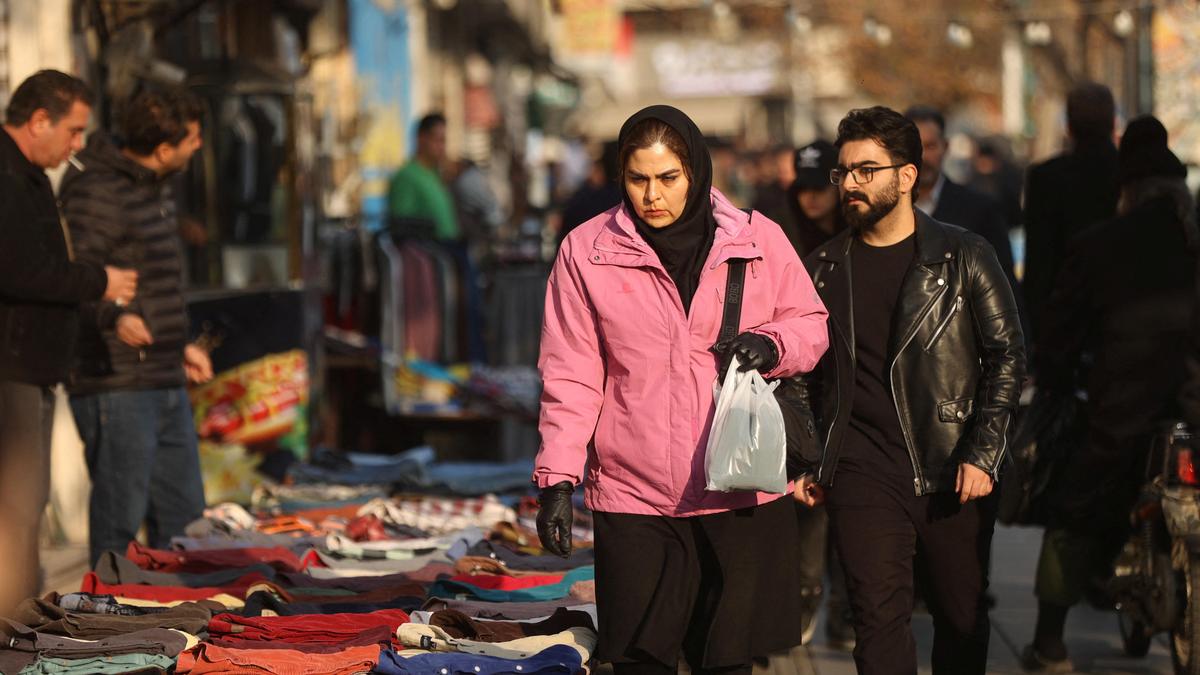
Iran is grappling with escalating protests sparked by economic hardship, including high prices and currency devaluation. Demonstrations began on December 28, 2025, with shopkeepers striking in Tehran, but have since spread across 25 of Iran’s 31 provinces. The protests have evolved to include political demands, drawing a firm response from the Iranian judiciary, which has vowed to show “no leniency” to “rioters.” The United States, under President Donald Trump, has warned Iran against violence against protesters, while Israel has expressed solidarity with the Iranian people.
The Iranian government has acknowledged the protesters’ economic grievances, announcing a monthly allowance for citizens to alleviate financial pressure. However, authorities accuse the U.S. and Israel of fueling the unrest. The situation is further complicated by the fact that Israel fought a 12-day war with Iran in June, 2025, which the U.S. briefly joined with limited strikes on nuclear facilities.
Key Points:
- Protests began on December 28, 2025, in Tehran and have spread to at least 45 cities in 25 provinces.
- At least 12 people have been killed in clashes since December 30, 2025.
- The Iranian rial has lost over a third of its value against the U.S. dollar in the past year, with inflation in double digits.
- President Trump warned Iran against violence, while Israeli Prime Minister Benjamin Netanyahu expressed solidarity with protesters.
- Iran accuses the U.S. and Israel of supporting “rioters” and attempting to undermine national unity.
- The government has announced a monthly allowance to address economic grievances.
Critical Analysis:
The current unrest in Iran is happening because of a confluence of factors: long-standing economic grievances exacerbated by international sanctions, and a pre-existing geopolitical conflict with Israel (with the U.S. aligned with Israel), as well as the pre-existing internal unrest exemplified by the 2022 protests over the death of Mahsa Amini. Israel fought a 12-day war with Iran in June, 2025, which the U.S. briefly joined with limited strikes on nuclear facilities which has added to the internal political tension. These elements create a volatile environment prone to escalating tensions.
Key Takeaways:
- Economic hardship is a significant driver of the protests in Iran.
- The government faces a difficult balancing act between addressing legitimate economic concerns and suppressing perceived threats to national security.
- External actors, particularly the U.S. and Israel, are playing a role, whether through direct support or simply by offering political backing to the protesters, further complicating the situation.
- The protests, while widespread, have not yet reached the scale of the 2022 protests over Mahsa Amini’s death, but the potential for escalation remains high.
- Iran’s internal unrest is intertwined with its complex relationship with the West.
Impact Analysis:
The Iranian protests, coupled with international involvement, could lead to several outcomes:
- Increased Repression: The Iranian government may intensify its crackdown on dissent, leading to further human rights abuses and international condemnation.
- Economic Instability: Prolonged unrest could further destabilize the Iranian economy, exacerbating the problems that triggered the protests in the first place.
- Escalated Regional Conflict: The involvement of the U.S. and Israel raises the risk of a wider regional conflict, particularly given the recent history of military engagement.
- Political Reform: While less likely, the protests could force the Iranian government to implement meaningful political and economic reforms to address the underlying grievances.
- Regime Change: Although not the most probable outcome, the protests could potentially lead to regime change if the unrest becomes widespread and sustained enough to erode the government’s authority.
 First Piper