
Tue Jan 06 08:34:09 UTC 2026: ### Headline: India Used Trump Ally Lobbying Firm to Bypass Traditional Diplomatic Channels Amid Trade Tensions and Operation Sindoor
The Story:
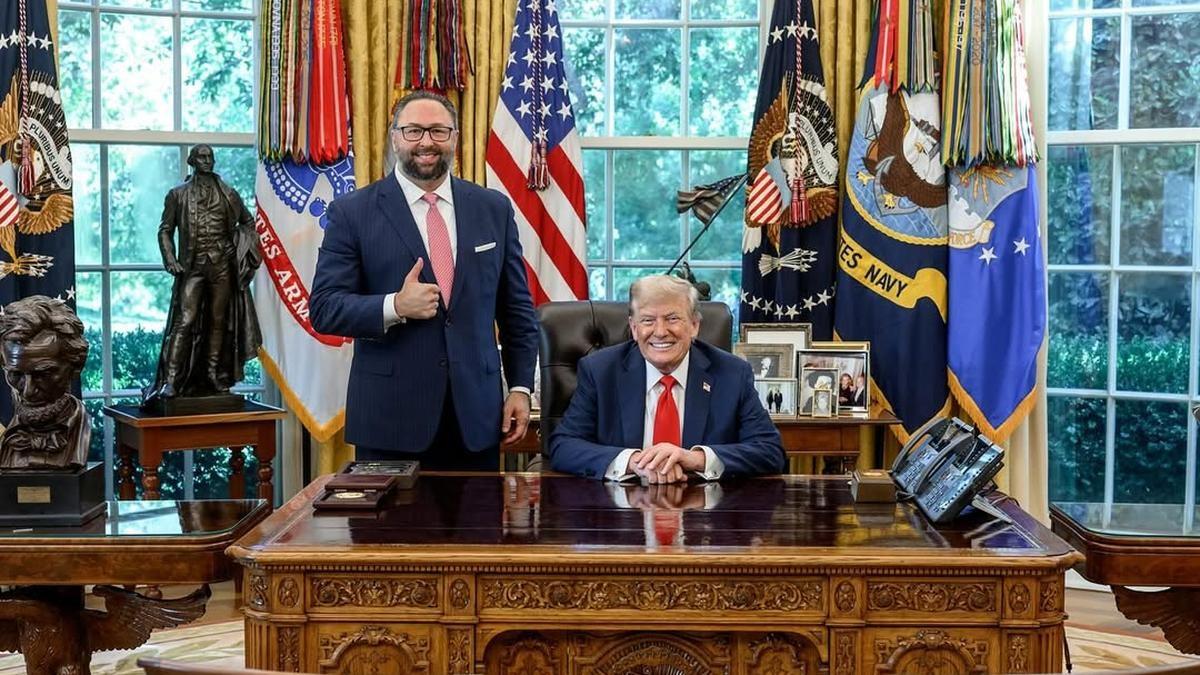
A report in The Hindu reveals that the Indian Embassy in Washington engaged SHW LLC, a lobbying firm headed by former President Donald Trump spokesperson Jason Miller, to arrange meetings and calls with top Trump administration officials. This unconventional approach occurred during a period of heightened trade tensions between the U.S. and India and the Operation Sindoor conflict with Pakistan in May 2025. The filings with the U.S. Department of Justice’s Foreign Agent Registration Act (FARA) raise questions about the Modi government’s claims regarding U.S. mediation efforts and the typical protocols of diplomatic engagement.
Key Points:
- The Indian Embassy contracted SHW LLC on April 24, 2024, paying $900,000 in two quarterly installments as part of an annual $1.8 million contract.
- Filings indicate that SHW LLC arranged meetings for key Indian officials, including External Affairs Minister S. Jaishankar, Foreign Secretary Vikram Misri, and Indian Ambassador Vinay Kwatra, with Trump administration officials.
- On May 10, 2025, the day of the Operation Sindoor ceasefire, the Indian Embassy contacted Susie Wiles, Jamieson Greer, and Ricky Gill to discuss “media coverage” of the conflict.
- SHW LLC made numerous requests for telephone calls to trade officials and White House senior officials to discuss U.S.-India trade conversations, particularly during a period when the U.S. imposed reciprocal and penalty tariffs on India.
- The firm flagged Prime Minister Modi’s social media posts praising President Trump to White House officials.
Critical Analysis:
The use of a lobbying firm to bypass normal diplomatic channels suggests a lack of trust or confidence in the existing communication pathways between the two countries under the Trump administration. This could be due to the administration setting “new rules of engagement” as mentioned by the former diplomat. Given the timing of Operation Sindoor, it suggests potential back-channel negotiations or attempts to influence U.S. perception of the conflict.
Key Takeaways:
- The Indian government utilized a lobbying firm with ties to President Trump to navigate complex U.S.-India relations during trade disputes and regional conflict.
- This engagement deviates from standard diplomatic protocols, raising questions about transparency and the effectiveness of traditional communication channels.
- The timing of the lobbying efforts during Operation Sindoor suggests a potential attempt to influence U.S. narratives surrounding the conflict and possibly seek mediation.
- The contradiction between the Indian government’s denials of U.S. mediation and the FARA filings creates a credibility gap.
Impact Analysis:
The revelation of these lobbying efforts could strain relations between India and the U.S., especially if future administrations view such practices as undermining established diplomatic procedures. The reliance on politically connected firms also raises ethical questions about the influence of money in international relations and could lead to stricter regulations on foreign lobbying activities in the U.S. in the future. The incident could compel India to reconsider its approach to diplomacy and strengthen its direct engagement with foreign governments, rather than relying on intermediaries.
 First Piper