
Tue Jan 06 02:11:55 UTC 2026: # Touadéra Secures Third Term Amidst Opposition Boycott and Security Concerns in Central African Republic
The Story
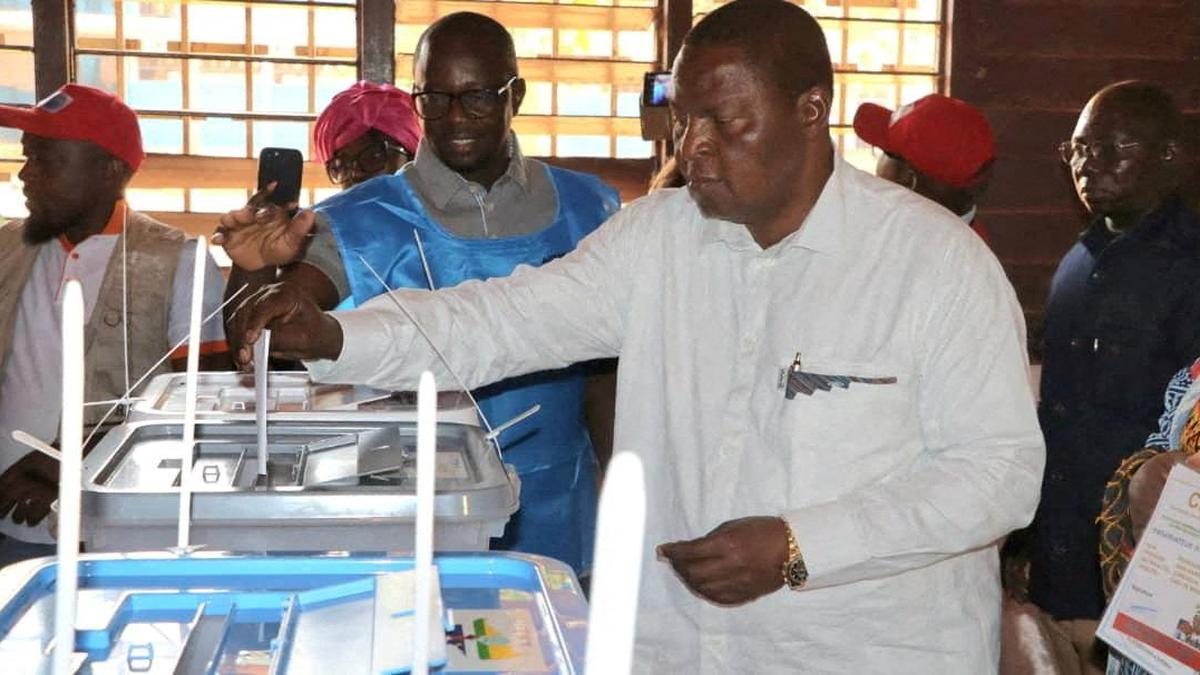
Central African Republic President Faustin-Archange Touadéra has won a third term in the presidential election held in December 2025, according to provisional results released on January 5, 2026. This victory comes despite a major opposition coalition boycotting the vote following a referendum that removed presidential term limits. The election, the first of its kind with simultaneous voting for all tiers of government, was marred by allegations of malpractice and fraud.
While Touadéra garnered 76.15% of the vote, two opposition candidates, including runner-up Anicet Georges Dologuélé (14.66%), have already contested the results. The country continues to grapple with security challenges, despite a 2019 peace deal, and the drawdown of the UN peacekeeping mission, MINUSCA, adds further uncertainty. The complex geopolitical landscape includes the presence of the Russian government-run African Corps and the influential role of Rwanda.
Key Points
- Faustin-Archange Touadéra won a third term with 76.15% of the vote.
- The major opposition coalition boycotted the election due to the removal of term limits.
- The election saw simultaneous voting for presidential, legislative, regional, and municipal seats.
- Anicet Georges Dologuélé, the runner-up, has proclaimed himself the winner and alleges widespread fraud.
- The Central African Republic has been embroiled in conflict since 2013.
- The Russian government-run African Corps is seeking to replace Wagner Group in providing security for Touadéra.
- The UN peacekeeping mission, MINUSCA, is facing a drawdown due to financial constraints.
Critical Analysis
The historical context provided does not directly relate to the Central African Republic election. Therefore, there is no relevant pattern to analyze for the unfolding of these events.
Key Takeaways
- Touadéra’s controversial third term is likely to exacerbate political tensions and instability in the Central African Republic.
- The opposition’s boycott undermines the legitimacy of the election results and raises concerns about democratic processes.
- The security situation remains fragile, complicated by the shifting involvement of foreign actors like the Russian government-run African Corps and Rwanda, alongside the drawdown of the UN peacekeeping mission.
- Allegations of electoral malpractice and fraud further erode public trust in the government and electoral institutions.
- The simultaneous elections, while intended to streamline the process, may have contributed to confusion and potential irregularities.
Impact Analysis
The implications of Touadéra’s victory and the circumstances surrounding it are significant for the Central African Republic’s future.
- Continued Instability: The contested election and ongoing security challenges suggest that the country will remain unstable. The potential for renewed conflict between the government and armed groups, as well as between political factions, is high.
- Geopolitical Repercussions: The shifting dynamics between Touadéra, Russia (through the African Corps), Wagner, and Rwanda will have a lasting impact on the region’s security architecture. The power vacuum left by a reduced MINUSCA presence could be filled by these external actors, further complicating the situation.
- Economic Development Setbacks: Instability and conflict impede economic development and humanitarian efforts. The Central African Republic, already one of the poorest countries in the world, is likely to face continued challenges in improving the lives of its citizens.
- Democratic Backsliding: The removal of term limits and the opposition boycott set a dangerous precedent for democratic governance in the region. This could encourage other leaders to undermine democratic norms and extend their hold on power.
- Humanitarian Crisis: Continued conflict and instability will likely lead to displacement, food insecurity, and other humanitarian crises. International aid agencies will face significant challenges in providing assistance to those in need.
 First Piper