
Sun Jan 04 00:22:00 UTC 2026: Here’s a news article summarizing the provided text:
India Grapples with Acid Attack Justice System Failures, Survivors Demand Action
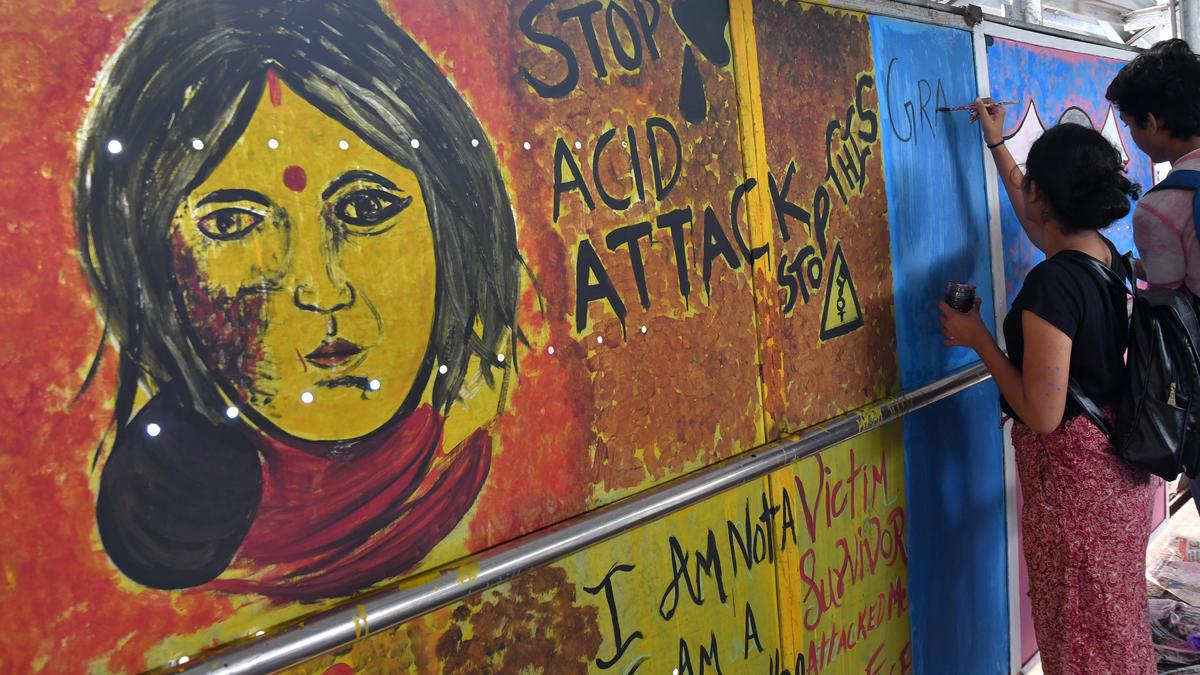
New Delhi, January 4, 2026 – A recent acquittal in a high-profile 2009 acid attack case has sparked renewed outrage and calls for stricter regulations and enforcement regarding the sale of acid in India. Survivors and advocates are highlighting the systemic failures within the justice system, which often leave victims without recourse despite legal frameworks designed to protect them.
The case involved Shaheen Malik, a social activist who was attacked in 2009. Despite 25 reconstructive surgeries and vision loss, Malik pursued justice for 16 years, only to see the accused acquitted. She and other survivors fear this outcome will deter others from seeking legal recourse. Data shows that of the 703 acid attack cases in courts in 2023, there were only 16 convictions and 27 acquittals.
Acid attacks, predominantly targeting women in India, involve the intentional use of corrosive substances like sulphuric, hydrochloric, and nitric acid to inflict severe physical and psychological trauma. Motives often stem from relationship issues, revenge, dowry disputes, or domestic abuse.
While the number of reported cases rose from 176 in 2021 to 207 in 2023, experts estimate that the true figure is closer to 1,000 attacks per year due to underreporting. West Bengal, Uttar Pradesh, and Gujarat reported the highest number of incidents. The prevalence is also linked to the accessibility of acid in regions with industries that use it, such as textiles and rubber.
Despite legal amendments, including Section 124 of the Bharatiya Nyaya Sanhita, mandating a minimum of ten years imprisonment and a fine for medical expenses, the implementation remains weak. A 2013 Supreme Court order regulating acid sales has been poorly enforced.
Malik has called the lack of progress a “complete failure of the system” noting that her own case took 16 years to conclude. She says many survivors are pressured to settle out of court, and lack access to justice.
Survivors are urging the government to implement comprehensive bans on acid sales, follow Bangladesh’s example of stringent regulations and public awareness campaigns, and provide better support, including fast-track courts, legal assistance, and counseling. The Justice J.S. Verma Committee’s recommendations for a national fund to cover lifelong needs of survivors need to be urgently implemented.
 First Piper