
Thu Jan 01 00:00:00 UTC 2026: Here’s a summary and news article based on the provided text:
Summary:
Researchers at the University of Guelph have discovered a link between the way insects determine sex (haplo-diploid or diplo-diploid systems) and the rate at which their mitochondrial DNA evolves. Insects with haplo-diploid systems (where females are diploid and males are haploid) show a significantly faster rate of mitochondrial DNA evolution than those with diplo-diploid systems (where both sexes are diploid). This finding, published in Proceedings of the Royal Society B, has implications for understanding insect evolution and how scientists track insect biodiversity using mitochondrial DNA “barcodes.”
News Article:
Insect Sex Determination Influences DNA Evolution Rate, Study Finds
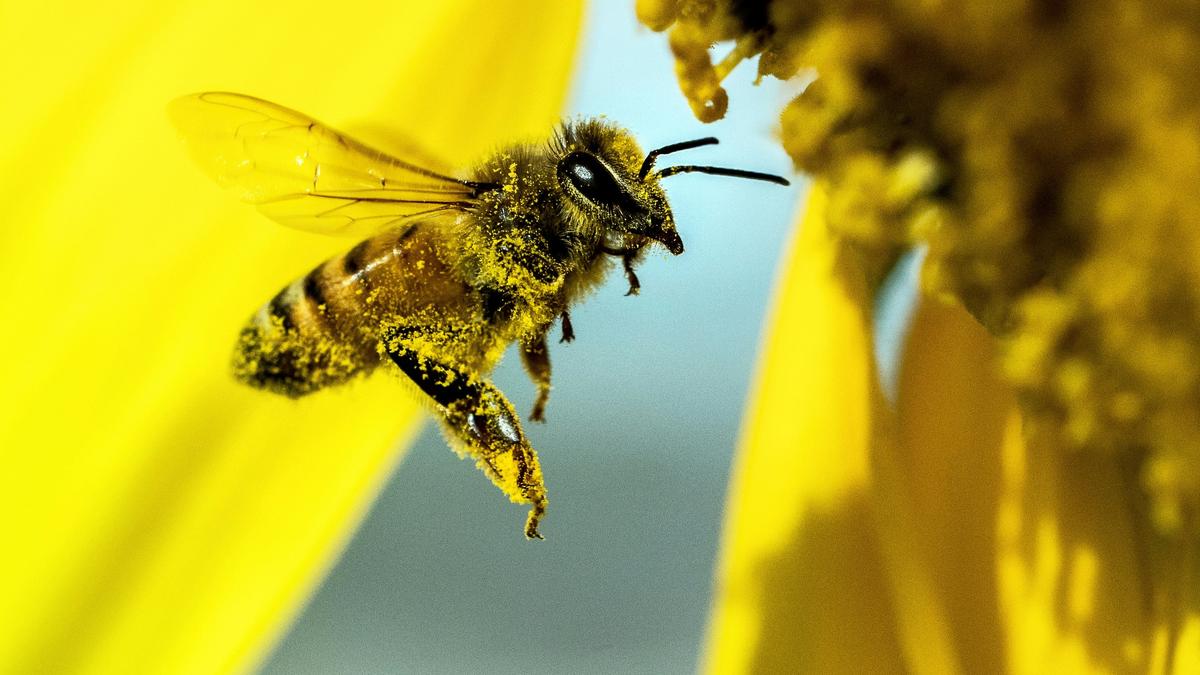
Hyderabad, January 1, 2026 – A new study from the University of Guelph, Canada, has revealed a surprising connection between insect sex determination systems and the rate of evolution in their mitochondrial DNA. The research, published in Proceedings of the Royal Society B, found that insects with haplo-diploid sex determination (HD), such as ants, bees, and wasps, exhibit a significantly faster rate of mitochondrial DNA evolution compared to those with diplo-diploid sex determination (DD), where both males and females have two sets of chromosomes.
Researchers analyzed the COI gene in over 86,000 insect species, finding that HD species displayed 1.7 times more changes in the COI protein sequence than DD species. This accelerated evolution could potentially impact the accuracy of using mitochondrial DNA as a barcode for identifying and monitoring insect biodiversity.
“Insects quietly keep the planet running, their numbers are under pressure, and our study shows that the way they produce males and females can influence how fast their DNA changes,” said Avas Pakrashi, former postdoctoral fellow at the Centre for Biodiversity Genomics at the University of Guelph at the time of the study, now with the Zoological Survey of India.
The findings suggest that the single set of chromosomes in HD males may expose new mutations to more immediate natural selection, potentially driving faster evolution in mitochondrial genes that interact with nuclear gene products. This discovery could change how scientists understand and track insect evolution, particularly in light of declining insect populations worldwide.
 First Piper