
Thu Jan 01 06:41:38 UTC 2026: ## 2025: A Year of Political Upheaval and Shifting Tides Globally
New Delhi, January 1, 2026 – The year 2025 saw significant political shifts across the globe, marked by elections, protests, and instances of instability, according to a year-end review by The View From India.
In Canada, the long-reigning Trudeau era ended with Mark Carney taking the helm. He was elected leader of the Liberal Party and sworn in on March 15. The Liberal Party secured a fourth term in April’s federal elections, albeit as a minority government.
Germany witnessed the collapse of its “traffic-light” coalition, leading to the rise of the Centre-right Christian Democrats (CDU/CSU). Friedrich Merz was elected Chancellor, forming a coalition with the Social Democrats (SPD).
Poland elected Karol Nawrocki of the Law and Justice party (PiS) as President, narrowly defeating Rafał Trzaskowski despite exit polls suggesting otherwise.
Romania’s presidential election was initially annulled due to concerns over foreign interference, leading to a new vote. Nicusor Dan, a liberal mayor, ultimately won against nationalist George Simion.
Belarus saw Alexander Lukashenko extend his three-decade rule, securing a seventh consecutive term in an election widely condemned as fraudulent by the West.
Regional elections in Italy saw no major shifts in political sides, with Giorgia Meloni’s candidates securing wins in Marche and Veneto.
Kosovo faced political deadlock, ultimately leading to two parliamentary elections in 2025. Albin Kurti of the Vetevendosje Party may end a year of deadlock and form the government now.
In Gabon, General Brice Oligui Nguema, who seized power in a 2023 coup, won the April elections by a landslide and will remain in power for seven years.
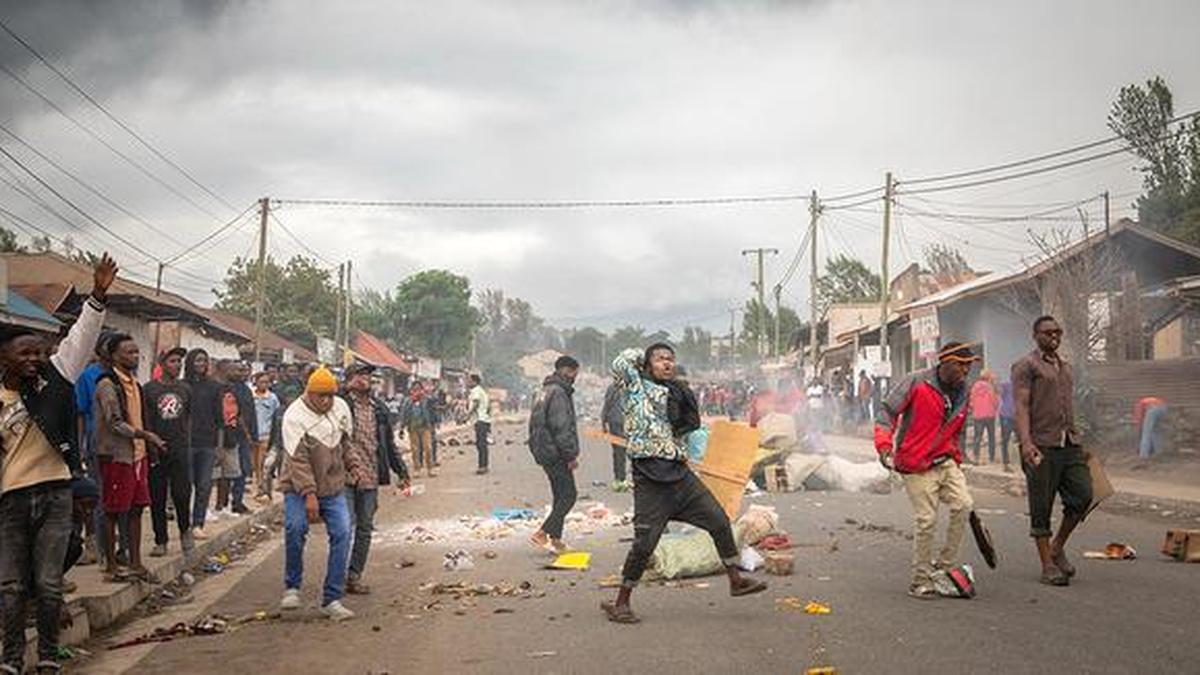
Tanzania re-elected President Samia Suluhu Hassan in October. This was followed by violent protests, with reports of injury and even death.
Bolivia saw the end of the Movement for Socialism (MAS) dominance as Rodrigo Paz of the centre-right Christian Democratic Party (PDC) was elected President.
Honduras declared right-wing candidate Nasry Asfura as the winner of the November elections, a result disputed by the runner-up Salvador Nasralla, leading to legal challenges.
Argentina President Javier Milei saw a victory in the midterms, strengthening his position to push through free-market reforms.
Ecuador re-elected Daniel Noboa, who came to power in November 2023, for a full four-year term, following a military crackdown on criminal gangs.
Chile elected far-right candidate José Antonio Kast as President, marking a significant shift in the country’s political landscape.
In the Philippines, candidates backed by President Ferdinand Marcos Jr. only secured half of the Senate’s 12 seats.
Australia re-elected Anthony Albanese, as Prime Minister after a landslide victory for his centre-left Labor Party.
Other key global developments included:
- Portugal: A new minority government was formed in Portugal.
- Japan: Elected its first female Prime Minister, Sanae Takaichi, of the Liberal Democratic Party.
- Singapore: The ruling People’s Action Party (PAP) won a landslide victory.
- Croatia: Incumbent President Zoran Milanović was re-elected.
- Madagascar: Witnessed an alleged coup with Colonel Michael Randrianirina sworn in as president.
- New York City: Elected Zohran Mamdani, an Asian-American and Muslim, as its new Mayor.
The year 2025 clearly indicated a period of significant change and instability across the world, with evolving political landscapes and a push for change.
 First Piper