
Sat Dec 27 21:01:00 UTC 2025: Headline: India Navigates a Turbulent 2025, Braces for More Global Uncertainty
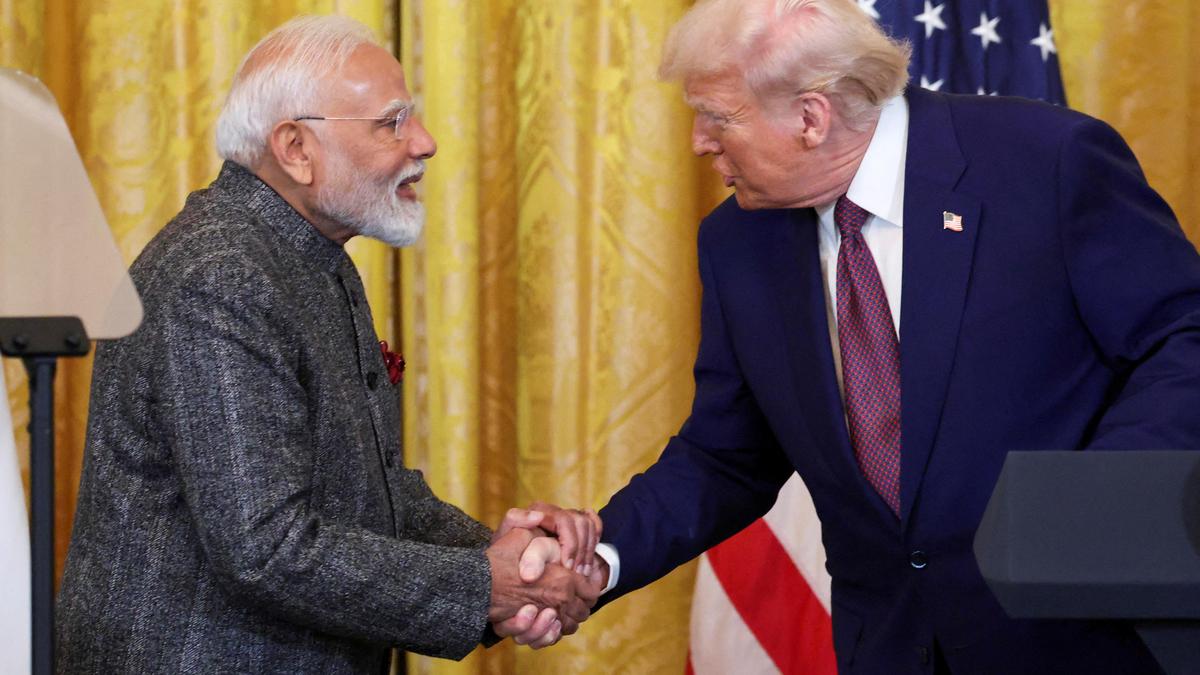
New Delhi, December 28, 2025 – India’s foreign policy in 2025 was marked by unexpected challenges and geopolitical shifts, largely influenced by Donald Trump’s second term as U.S. President, according to a year-end review by The Hindu.
Trump’s “Liberation Day” tariffs and altered stance on key global powers destabilized the world order, impacting India’s economy and diplomatic relations. Sanctions on Indian-Russian energy ventures due to the ongoing Ukraine war also presented economic hurdles.
Regionally, conflicts in Ukraine, Gaza, and tensions with Pakistan, Nepal, and Bangladesh strained India’s “Neighbourhood First” policy. The government faced criticism for its handling of the Israeli-Palestinian conflict and its impact on the India-Middle East Economic Corridor.
India-U.S. relations deteriorated due to Trump’s tariffs, immigration policies, and perceived favoritism toward Pakistan. Despite External Affairs Minister S. Jaishankar’s multiple visits to Washington, the relationship remained strained.
However, there were diplomatic successes. Ties with Canada improved, and a surprising rapprochement occurred with the Taliban in Afghanistan. Relations with Bhutan, Sri Lanka, and the Maldives also strengthened.
Trade agreements with the U.K., Oman, and New Zealand were finalized, but larger deals with major economic blocs remain pending.
Looking ahead to 2026, India is set to host the EU Commission and Council Presidents, the Artificial Intelligence Summit, and Canadian Prime Minister Mark Carney. All eyes will also be on the Quad Summit in New Delhi, the APEC summit in China, and the G-20 summit in Miami. The government will also be closely following elections in Myanmar, Bangladesh, and Nepal.
Indian foreign policy makers are hoping for a more predictable and manageable international landscape in the coming year after a year of significant geopolitical surprises.
 First Piper