
Sat Dec 27 23:55:00 UTC 2025: Summary:
The article reports on the efforts to eliminate Maoist extremism in Odisha, India by March 2026. It highlights the stories of former Maoists who have surrendered and are attempting to reintegrate into society, with the help of the government. The Odisha government is offering financial incentives for surrender, along with support for rehabilitation. Security forces are utilizing intelligence gathered from surrendered cadres to weaken the organization from within. While challenges remain in reintegration, the article suggests that the Maoist movement in Odisha is weakening due to lack of new recruits, leadership losses and successful anti-Maoist operations.
News Article:
Odisha Aims to Eradicate Maoist Extremism by 2026 as Surrenders Rise
Phulbani, Odisha – December 28, 2025 – As the Indian government intensifies its efforts to eliminate Maoist extremism, Odisha is witnessing a steady stream of surrenders. Fueled by increased incentives and a weakening organization, former Maoist cadres are choosing to lay down their arms and attempt a new life.
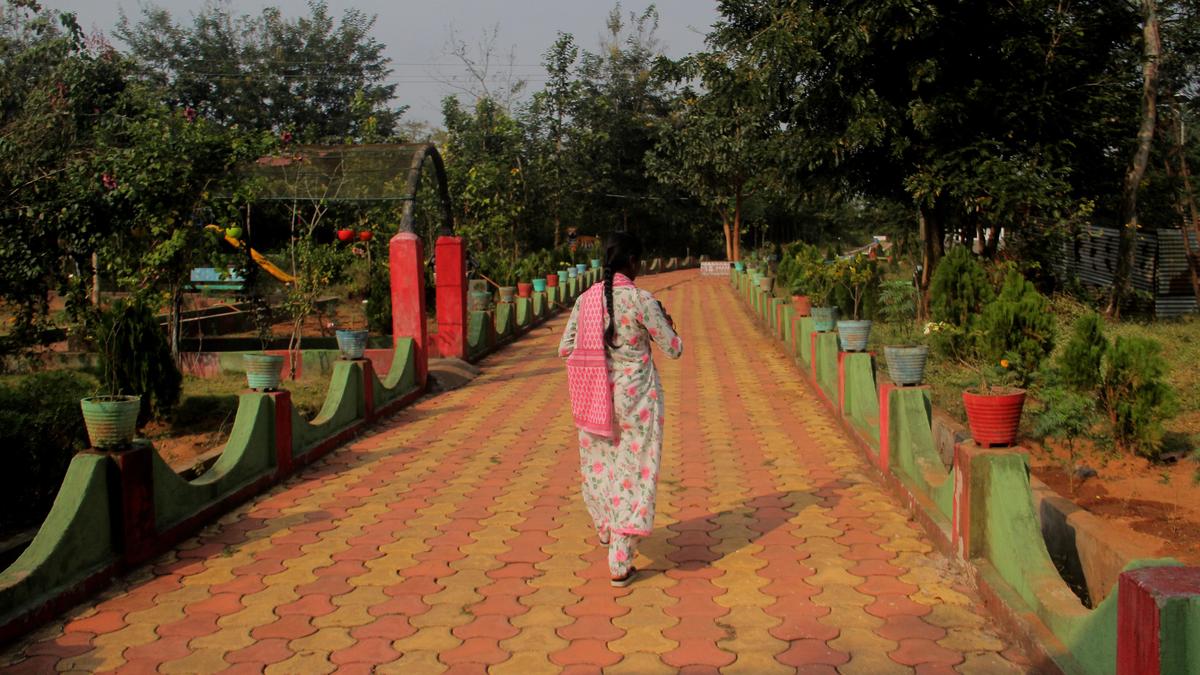
Lakhan, a former Maoist now a sought-after motorbike mechanic in Phulbani, exemplifies this transition. Karuna, who spent 13 years in the forests as a Maoist, now works at a local park educating visitors on plant species. Their stories highlight the government’s push to rehabilitate those who have abandoned the CPI (Maoist), an outlawed group.
With Union Home Minister Amit Shah vowing to eliminate the remnants of this violent movement by March 2026, the Odisha government has significantly increased rewards for surrender, offering up to ₹1.10 crore for top-ranking members who provide valuable intelligence. Security forces are leveraging this intelligence, including information on associates, financiers, and supply chains, to dismantle the Maoist network.
“Surrendered cadres bring a wealth of information that gives us a tactical advantage,” says Sanjeeb Panda, head of anti-Maoist operations in Odisha.
While challenges remain in adapting to life outside the organization, the government is committed to providing support, including medical care and assistance in finding employment. Surrendered cadres have been integrated into society as police have facilitated marraiges between them and have supported the surrendered cadres’ children.
Intelligence agencies believe that the Maoist movement in Odisha is weakening. The loss of experienced leaders, coupled with a lack of fresh recruitment in Odisha, points towards a potential collapse of the organization.
“The situation is now favourable for a complete end to left-wing extremism,” says Harish B.C., Superintendent of Police, Kandhamal. “We appeal to all cadres to return to the mainstream. They will be taken care of, not merely as subjects of law enforcement, but with a sense of responsibility to rehabilitate those who have strayed.”
As the deadline for eradication approaches, Odisha hopes to finally leave behind the shadow of Maoist extremism and usher in an era of peace and stability.
 First Piper