
Wed Dec 24 21:27:00 UTC 2025: Okay, here are the summary and news article based on the provided text.
Summary:
The Bombay High Court has sharply criticized the Brihanmumbai Municipal Corporation (BMC) for its inadequate response to Mumbai’s escalating air pollution crisis. During a hearing on petitions regarding the city’s deteriorating Air Quality Index (AQI), the court expressed concern over the approval of numerous large-scale construction projects despite the worsening air quality. The court questioned the BMC’s inspection practices, the effectiveness of its flying squads, and the apparent lack of proactive measures. The court threatened to halt new construction approvals if the BMC does not take immediate and effective action. The BMC Commissioner presented a 15-day plan to the court, which suggested further measures including GPS monitoring of squads and banning mobile phones during inspections. The court also sought information from the Maharashtra Pollution Control Board (MPCB) regarding worker health safeguards at construction sites, insisting on making these a mandatory condition for development permissions. The hearing is adjourned to January 20, 2026, pending a detailed order.
News Article:
Mumbai Air Crisis: High Court Blasts BMC, Threatens Construction Freeze
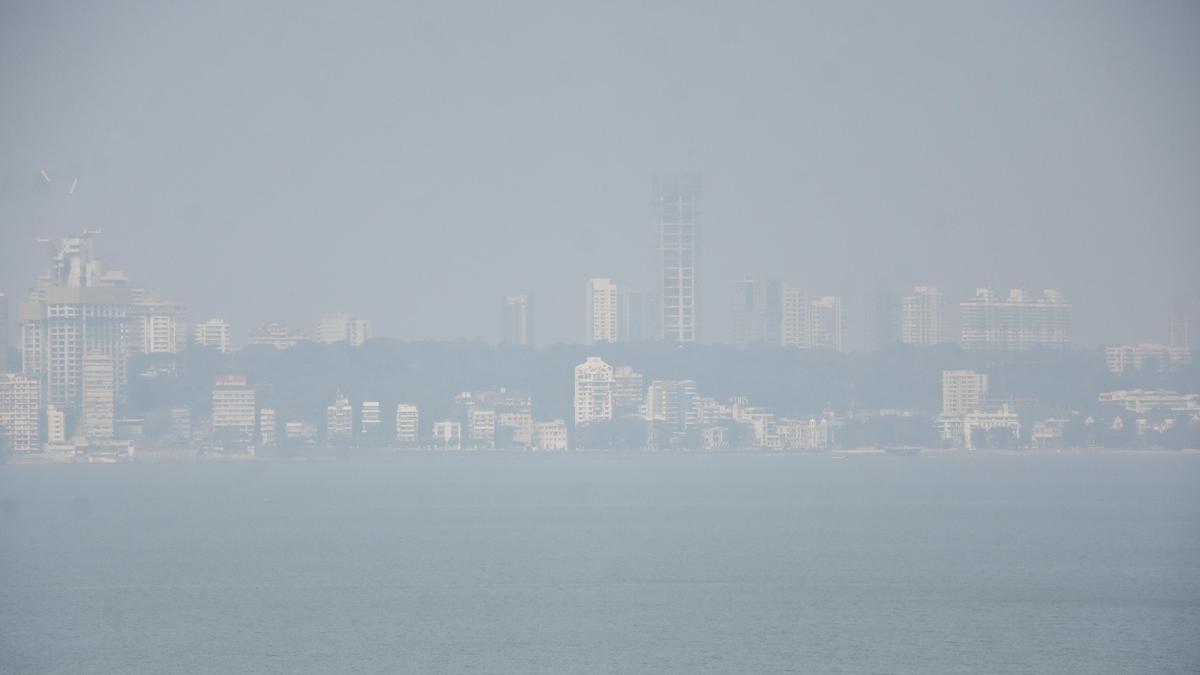
MUMBAI – The Bombay High Court delivered a scathing rebuke to the Brihanmumbai Municipal Corporation (BMC) on Wednesday, December 24, 2025, over the city’s rapidly deteriorating air quality. Citing a “blind eye” to the crisis, the court warned that it may halt approvals for new construction projects if the BMC fails to implement immediate and effective measures to combat the pollution.
Chief Justice Shree Chandrashekhar and Justice Gautam Ankhad expressed alarm over the sanctioning of over 125 large-scale development projects, each valued at over ₹1,000 crore, in a city already struggling with air pollution. The court questioned the BMC’s claim of “average, moderate and satisfactory” AQI levels, pointing out that a significant portion of the city’s air quality monitoring devices are either non-functional or lacking data.
“This has gone beyond your control,” the Chief Justice stated, demanding accountability and stricter enforcement of existing regulations. The court specifically criticized the BMC’s flying squads, questioning why only 39 construction sites were inspected on Tuesday despite having 94 squads available. The court even suggested the use of GPS trackers and button cameras to ensure accountability.
Senior Advocate Janak Dwarkadas, representing a petitioner, stated “Right to life is subservient to election duty,” and Amicus curiae Darius Khambata questioned, “Who will vote if people die (due to pollution)?”
BMC Commissioner Bhushan Gagrani presented a 15-day plan to the court, outlining measures such as surprise inspections, increased water tanker deployment for deep cleaning, and stricter compliance checks. However, the court pressed for more stringent actions, including a ban on mobile phones during site visits to prevent information leaks and GPS monitoring of inspection teams.
The court instructed the BMC to consider terminating contracts for non-compliant projects and also demanded details from the Maharashtra Pollution Control Board (MPCB) regarding health safeguards for construction workers, insisting on making these a mandatory condition for development permissions.
The case has been adjourned to January 20, 2026, with a detailed order expected soon. The ruling underscores the urgency of addressing Mumbai’s air pollution crisis and places significant pressure on the BMC to take immediate and decisive action.
 First Piper