
Wed Dec 24 03:00:00 UTC 2025: Summary:
An article in The Hindu’s e-paper analyzes the contrasting trends of incumbency in elections globally versus in India. While many democracies worldwide are seeing voters oust incumbents, Indian state elections show a pro-incumbency trend. The piece examines historical election data in India, identifying periods of both pro and anti-incumbency. It argues that factors like stability narratives, welfare programs, and infrastructure development have contributed to incumbent parties retaining power in several Indian states, including Bihar. The article contrasts this with global trends where economic strain, social unrest, and anti-elite sentiment are driving voters to seek change.
News Article:
Indian States Buck Global Anti-Incumbency Trend, Analysis Shows
New Delhi – December 24, 2025 – While voters in many democracies are throwing out incumbent governments, Indian state elections are displaying a surprising pro-incumbency trend, according to an analysis published in The Hindu’s e-paper today. The article, authored by Professor Sanjay Kumar and researcher Arindam Kabir, highlights the recent Bihar Assembly election, where Nitish Kumar secured his 10th term as Chief Minister, as a prime example of this phenomenon.
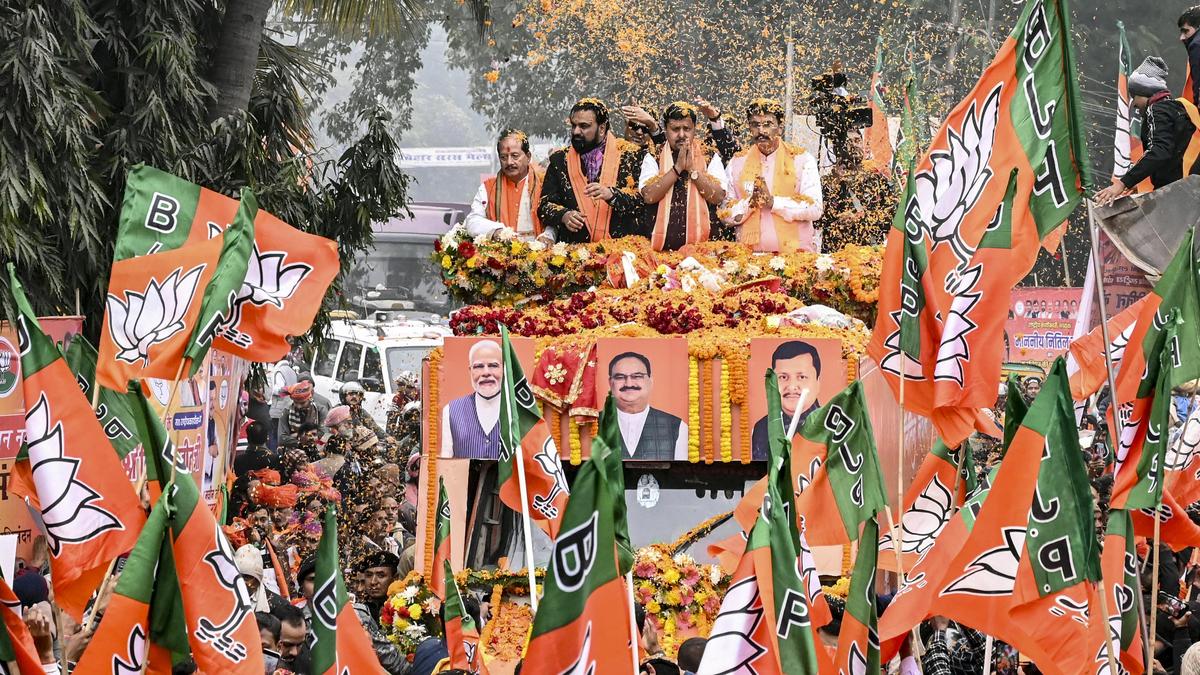
The analysis contrasts this with recent electoral defeats for incumbent parties in the United States, the United Kingdom, Japan, South Africa, and Senegal, where voters have expressed a desire for change. However, several Indian states, including Bihar, Haryana, Madhya Pradesh, and Maharashtra, have seen the ruling Bharatiya Janata Party (BJP) retain power.
The authors argue that this pro-incumbency trend is fueled by narratives of stability, the promise of faster development through a “double engine” government (where the same party rules at the state and national levels), effective welfare delivery, and strong leadership. The article traces the historical shifts between pro and anti-incumbency sentiment in Indian state elections since 1952.
According to the researchers, a focus on infrastructure development and social welfare programs have helped to mobilize the votes of both the upper middle classes and lower income voters.
The analysis suggests that while global pressures of economic strain, social unrest, and anti-elite sentiment are driving electoral change elsewhere, Indian state governments have been able to absorb discontent and secure renewed mandates through a combination of strong leadership, welfare-driven policies, and infrastructure improvements.
The article suggests that whether these trends will continue remains to be seen.
 First Piper