
Tue Dec 23 09:29:36 UTC 2025: Summary:
India and New Zealand have concluded Free Trade Agreement (FTA) negotiations. A key component of the agreement is New Zealand’s commitment to amend its laws within 18 months of the pact’s implementation to allow for the geographical indication (GI) registration of Indian goods beyond wines and spirits. This change will provide legal protection and boost exports for uniquely Indian products like Basmati rice, Darjeeling Tea, and Chanderi Fabric. The agreement is expected to be signed and implemented within 7-8 months. Experts believe this will increase the income of our people also.
News Article:
New Zealand to Expand GI Protection for Indian Goods Under New FTA
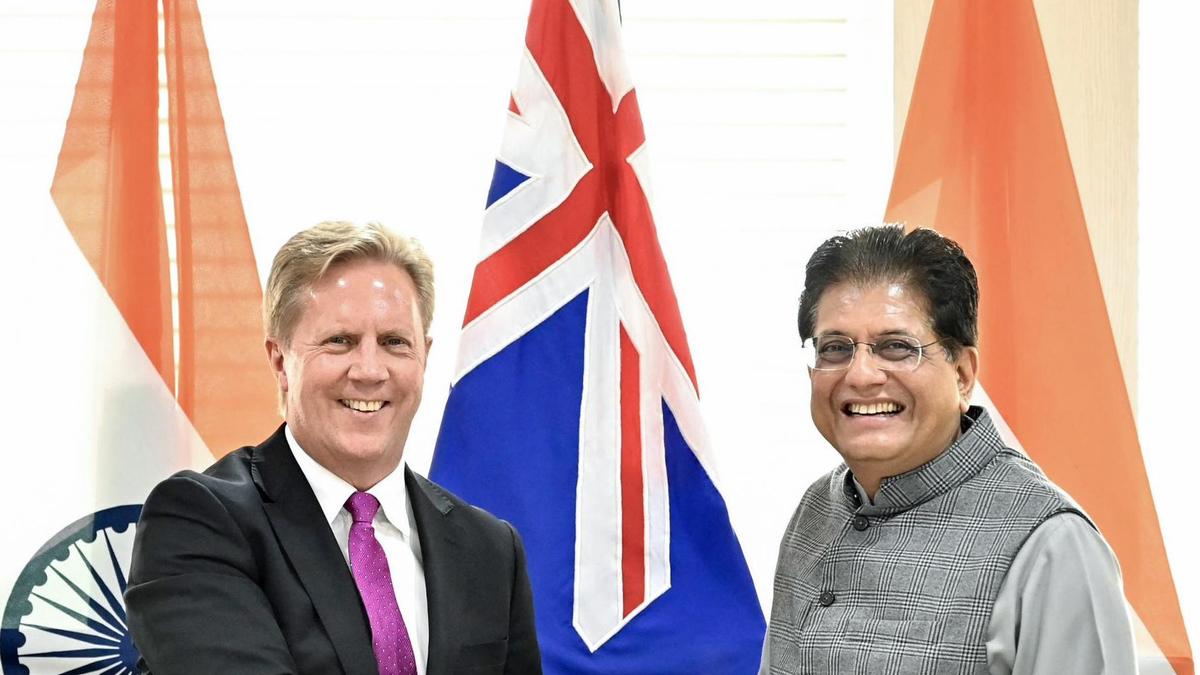
New Delhi – December 23, 2025 – A newly concluded Free Trade Agreement (FTA) between India and New Zealand will pave the way for broader protection of Indian Geographical Indication (GI) goods in the island nation. According to details released today, New Zealand has committed to amending its laws within 18 months of the FTA’s implementation to allow for the registration of a wider range of Indian products beyond wines and spirits.
A GI tag, similar to a trademark, identifies products with unique qualities and reputation tied to their geographical origin. This agreement is a significant win for India, as it will provide legal protection and promote exports for iconic Indian goods like Basmati rice, Darjeeling Tea, Chanderi Fabric, and numerous handicrafts.
“Commitment is now in place to taking all steps necessary including amendment of its law to facilitate the registration of India’s wines, spirits and ‘other goods’, a benefit that was accorded to the EU [European Union] by New Zealand. Timelines for this are 18 months from agreement entering into force,” stated the Commerce Ministry.
The FTA negotiations concluded on Monday, December 22nd. The signing and implementation process is expected to take 7-8 months.
Ganesh Hingmire, Founder and Chairman of Great Mission Group Society (GMGS), hailed the agreement as a positive step, predicting it would “help boost exports of GI products” and increase the income of our people.
This expanded GI protection represents a significant step in strengthening trade ties between India and New Zealand and safeguarding the unique heritage and economic interests associated with India’s diverse range of products.
 First Piper