
Sun Dec 21 07:17:19 UTC 2025: Summary:
Iraq’s recent parliamentary election has resulted in a fragmented political landscape, setting the stage for complex negotiations to form a new government. While Prime Minister Mohammed Shia al-Sudani’s party secured the most seats, his prospects for a second term are uncertain due to potential opposition from the Coordination Framework, a coalition of Iran-backed Shiite parties. The incoming government will face numerous challenges, including a fragile economy, corruption, and the delicate issue of integrating or disarming the Popular Mobilization Forces (PMF), a coalition of militias with ties to Iran. The absence of the Sadrist movement from the election also played a significant role. International pressures from both the US and Iran further complicate the situation.
News Article:
Iraq Faces Political Uncertainty After Inconclusive Election; Future of Iran-Backed Militias in Question
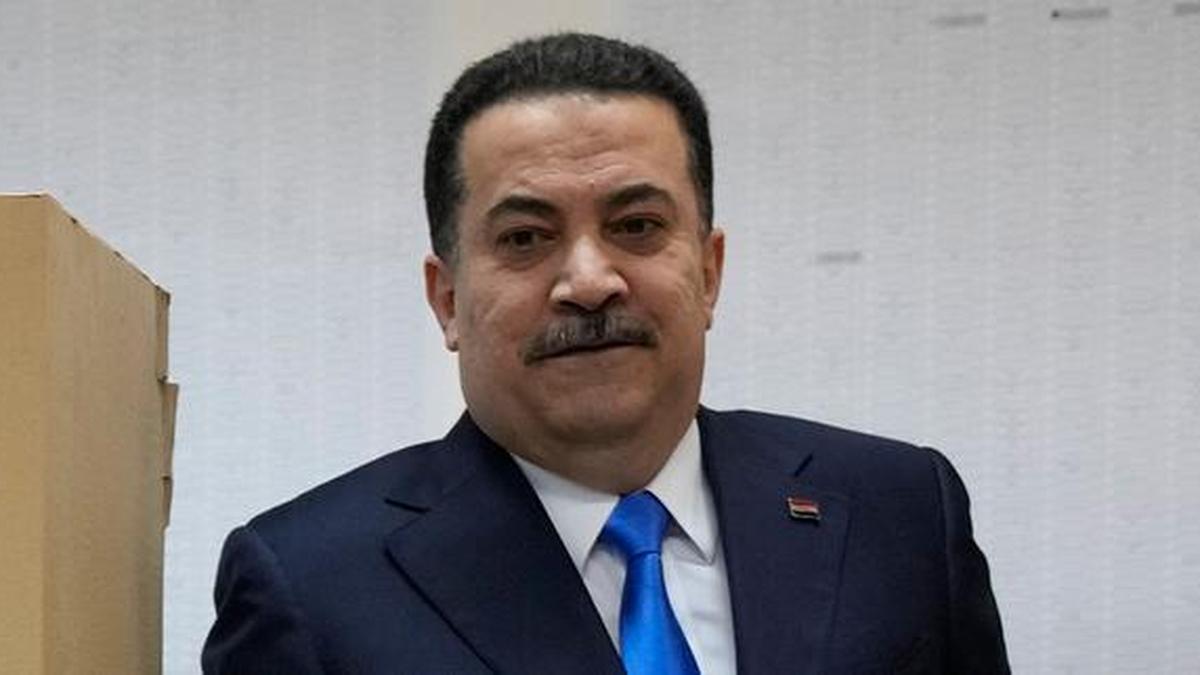
Baghdad, Iraq – December 21, 2025 – Following a recent parliamentary election that failed to produce a clear majority, Iraq is bracing for a period of intense political maneuvering as factions vie to form the next government. While Prime Minister Mohammed Shia al-Sudani’s party emerged with the largest number of seats, his future remains uncertain amidst complex power dynamics and external pressures.
Al-Sudani, who has positioned himself as a pragmatist during his first term, faces potential challenges to his re-election bid from within the Coordination Framework, a powerful coalition of Iran-backed Shiite parties. Analysts suggest the Framework may seek a more controllable leader.
The incoming government will inherit a host of challenges, including a fragile economy heavily reliant on oil revenues, widespread corruption, and the highly sensitive issue of the Popular Mobilization Forces (PMF). This coalition of militias, formed to combat ISIS, still operates with significant autonomy and includes groups with ties to Iran.
The U.S. has reportedly warned against selecting a Prime Minister with ties to armed factions and cautioned against placing militia-linked figures in key government positions. Experts say that the PMF is one of the most critical issues facing the incoming government.
The absence of the Sadrist movement, a powerful Shiite bloc, from the election also played a significant role, creating a vacuum that rival militia groups were able to exploit.
With the election results ratified, Parliament has a limited timeframe to elect a Speaker and President, setting the stage for the appointment of a new Prime Minister and the formation of a government. The international community is closely watching as Iraq navigates this critical juncture, balancing competing interests and striving for stability in a volatile region.
 First Piper