
Tue Dec 23 00:30:00 UTC 2025: FOR IMMEDIATE RELEASE
New Delhi – December 23, 2025 – Cutting-edge research published in Cell and Cell Reports reveals that whole-body communication is essential for tissue regeneration in planarian flatworms and axolotl salamanders. The studies, conducted at the Stowers Institute for Medical Research in Missouri and the Harvard Stem Cell Institute in Massachusetts, challenge the traditional view of regeneration as a localized process, highlighting the involvement of the entire organism.
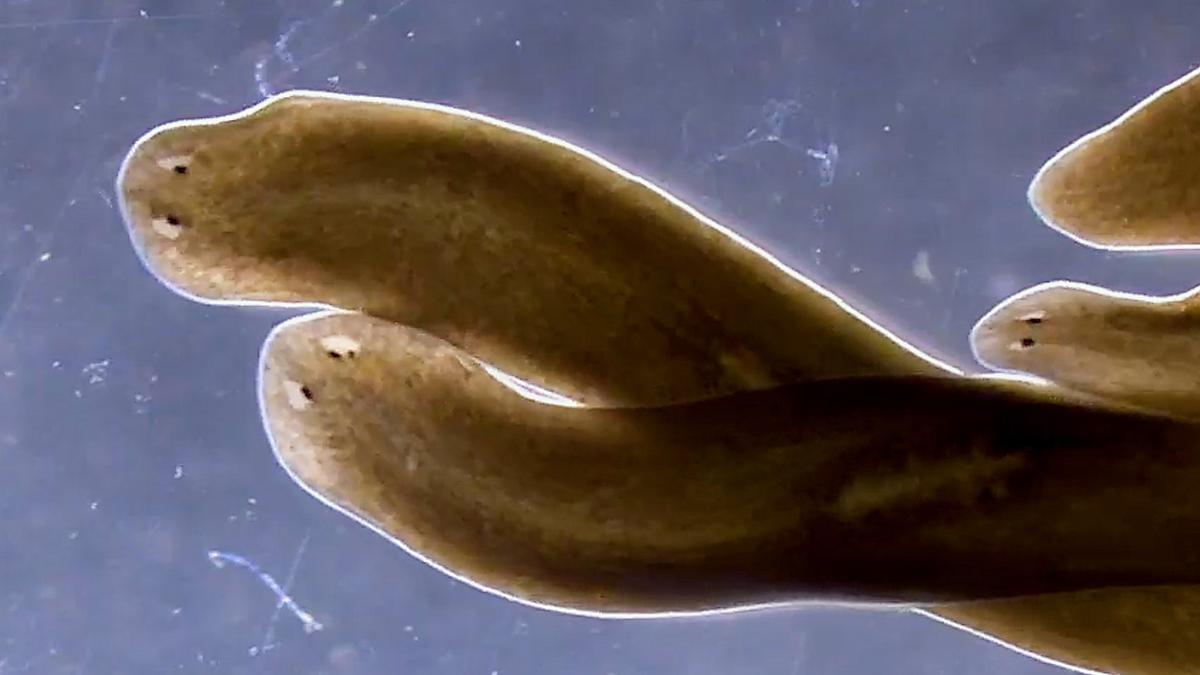
Planarian flatworms, known for their remarkable ability to regenerate from fragments, utilize chemical signals from their gut to regulate stem cell activity throughout the body. Researchers found that neoblasts, stem cells responsible for regeneration, rely on the gut for cues rather than a local stem cell neighborhood.
In axolotls, salamanders capable of limb regeneration, a similar systemic response was observed. After amputation, a surge of activity in stress-response nerves prompts cells throughout the body to re-enter the cycle of division, priming the animal for repair. This stress response is driven by hormones like norepinephrine, and blocking this nervous system activity slowed regeneration. Mimicking or blocking stress signals using blood pressure drugs could control the repair mode, suggesting the process is a short-lived response controlled by the nervous system.
“These studies reveal a more complex, coordinated response where the entire organism is involved in the regenerative process,” said Nadia Rosenthal, a researcher at Imperial College of London. Salamanders may rely on neural signals, and flatworms on metabolic cues, but both studies expose “a dynamic balance between local responses and whole-body governance of tissue repair.”
While these findings showcase the potential for regenerative medicine, Jessica Whited, a leader of the Harvard group, cautions against premature speculation about human application. However, she suggests that humans may possess latent regenerative abilities that could be unlocked with the right molecular instructions. Further research is crucial to understanding the complex communication between tissues and how the body controls these regenerative processes, offering insights into potential therapeutic strategies for tissue repair in humans.
 First Piper