
Mon Dec 15 07:11:26 UTC 2025: News Article:
Adityanath Blames Nehru for Kashmir’s Extremism on Patel’s Death Anniversary
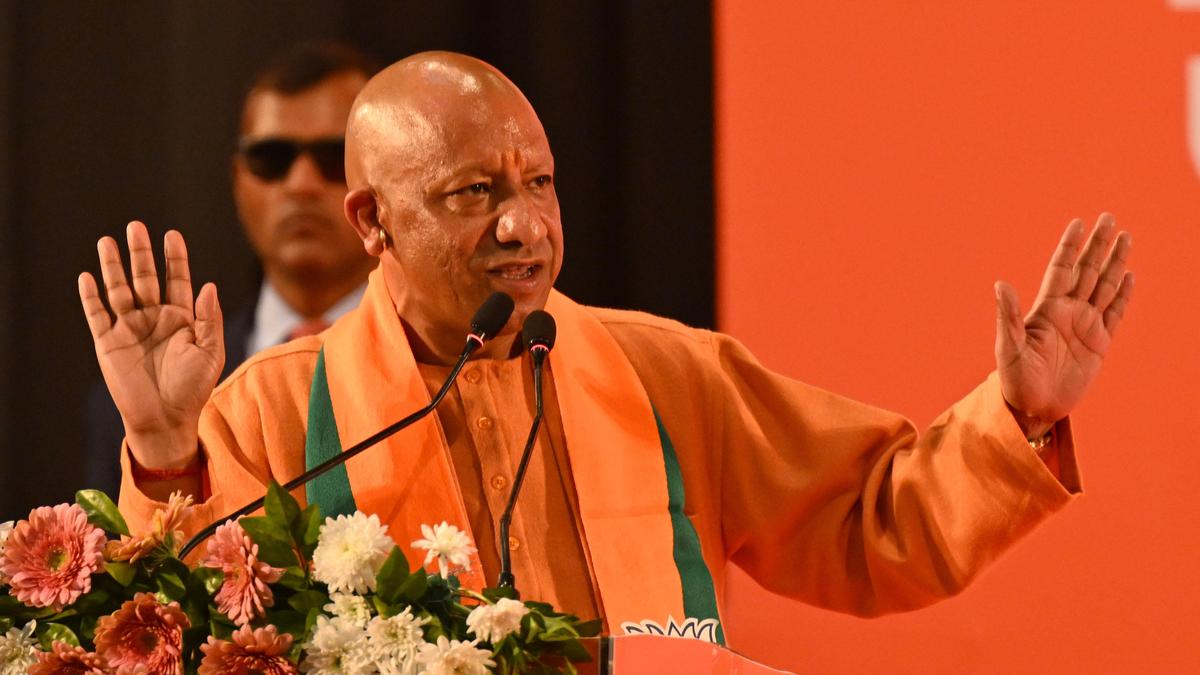
Lucknow, Uttar Pradesh – December 15, 2025 – Uttar Pradesh Chief Minister Yogi Adityanath ignited controversy on Monday, December 15, 2025, by blaming former Prime Minister Jawaharlal Nehru for the ongoing extremism and separatism in Kashmir. Speaking at an event commemorating the 75th death anniversary of Sardar Vallabhbhai Patel, India’s first Home Minister, Adityanath alleged that Nehru’s handling of Jammu and Kashmir made the issue so controversial that it continues to plague the country.
Referencing Patel’s instrumental role in integrating over 560 princely states into the Union of India after independence, Adityanath highlighted the challenges posed by Junagadh and Hyderabad. While praising Patel’s efforts in those regions, he criticized Nehru’s approach to Jammu and Kashmir, stating, “The country got extremism and separatism from Kashmir because of Pandit Nehru.”
Adityanath went on to praise Prime Minister Narendra Modi for abolishing Article 370 in Kashmir, a move he framed as fulfilling the dreams of Patel and Syama Prasad Mookerjee and completing the integration of the region into India. He stated that Modi’s actions have advanced the principle of “one country, one constitution, and one flag.”
Sardar Vallabhbhai Patel, a key figure in India’s independence movement, served as the country’s first Home Minister and played a pivotal role in uniting the princely states. He died in 1950.
Summary of the Original Text:
On December 15, 2025, Uttar Pradesh Chief Minister Yogi Adityanath spoke at an event commemorating the 75th death anniversary of Sardar Vallabhbhai Patel. During his speech, he blamed Jawaharlal Nehru for the issues of extremism and separatism in Kashmir, claiming Nehru’s handling of the region made it controversial. He contrasted this with Patel’s successful integration of other princely states. Adityanath also praised Prime Minister Modi for abolishing Article 370 in Kashmir, framing it as fulfilling Patel’s vision and solidifying India’s unity. The article provides context on Patel’s historical significance in post-independence India.
 First Piper