
Mon Dec 08 10:00:00 UTC 2025: Summary:
A recent study challenges the long-held belief that mosquitoes originated over 200 million years ago, suggesting a much younger origin around 106 million years ago. This new research, published in PNAS, analyzes large-scale genome data to rebuild mosquito evolution, suggesting previous timelines were overestimated due to a phenomenon called branch attraction bias. The study also proposes that mosquitoes and malaria parasites co-evolved, but this is also debated. The findings are met with skepticism from other experts in the field, citing contradictory fossil evidence and concerns over sampling biases. The debate highlights the complexities of tracing mosquito evolution and the need for further research, including broader genetic data and re-evaluation of existing fossil records.
News Article:
Mosquito Origins Spark Scientific Debate: New Study Challenges Ancient Timeline
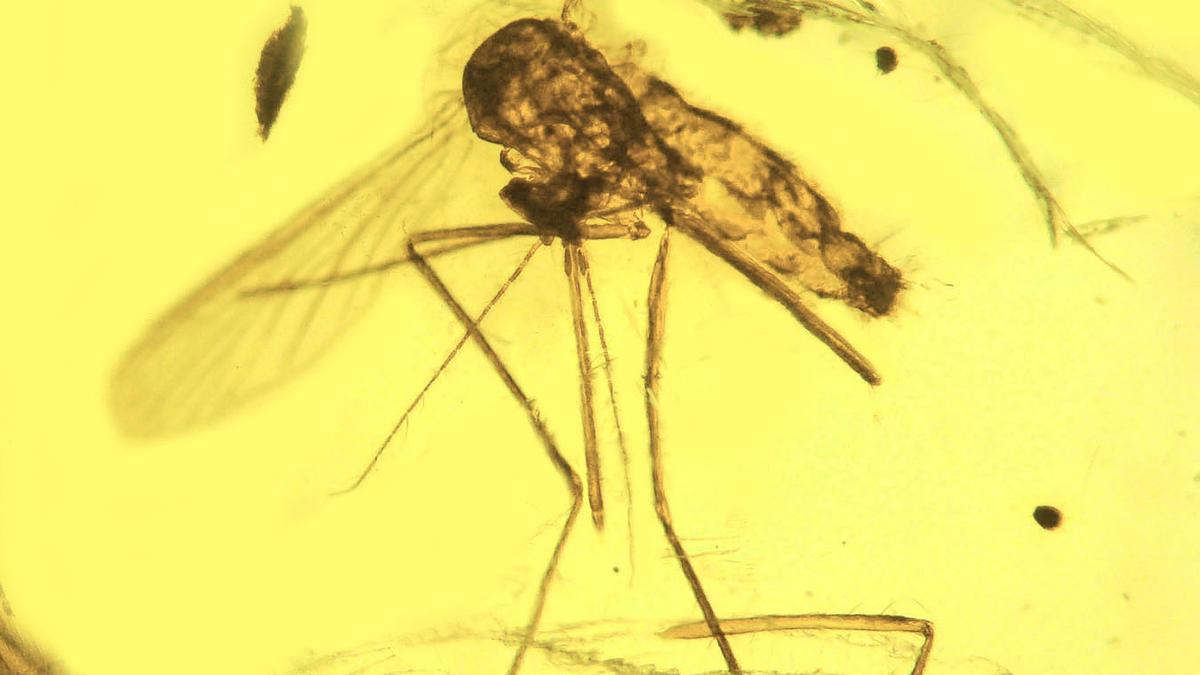
Hong Kong, December 8, 2025 – A new study has ignited controversy within the scientific community, challenging the established timeline for mosquito evolution. Published in the Proceedings of the National Academy of Sciences (PNAS), the research suggests that mosquitoes originated around 106 million years ago, significantly later than the previously accepted figure of over 200 million years.
The study, led by Tommy Lam at the University of Hong Kong, utilizes large-scale genome data to rebuild the mosquito evolutionary tree. Researchers claim previous estimates were skewed by a phenomenon known as branch attraction bias, leading to an overestimation of their age. The team argues that genomes shifting from G- and C-rich DNA to A- and T-rich sequences made species appear more distantly related than they actually are.
The study’s findings also hint at a possible co-evolution between mosquitoes and the Plasmodium parasite, which causes malaria. Researchers hypothesize that mosquitoes and Plasmodium influenced each other’s biology over millions of years.
However, the study’s conclusions have been met with skepticism from experts in the field. Critics point to contradictory fossil evidence, with fossils dating back to 217 million years ago that resemble modern species, and raise concerns about potential sampling biases within the study’s genetic data.
“The finding of a younger age for mosquitoes isn’t defensible given the wealth of evidence that contradicts it,” stated Dr. Brian Wiegmann, professor at North Carolina State University. Other researchers voiced concerns about the study’s heavy focus on Anopheles mosquitoes and the exclusion of other significant mosquito groups.
Despite the criticism, the study’s authors stand by their findings, emphasizing the need for a fresh perspective on existing data and a more comprehensive analysis of mosquito genetics. “For years, the framework of mosquito evolution wasn’t questioned, creating an anchoring bias,” said Mac Pierce, the first author of the study.
The debate highlights the complexities of tracing the evolutionary history of these disease-carrying insects and underscores the importance of ongoing research to better understand mosquito origins and their role in disease transmission. The researchers propose further research into behavior, ecology and disease transmission.
 First Piper