
Mon Dec 08 11:30:09 UTC 2025: ## Summary of the Text:
The United Nations Office for the Coordination of Humanitarian Affairs (OCHA) is scaling back its annual funding appeal for 2026 due to significantly reduced financial support in 2025, which hit a decade low. OCHA is now seeking $33 billion to assist 135 million people facing crises like wars, climate disasters, and food shortages, a drop from its initial $47 billion request for 190 million people this year. The reduced funding in 2025 led to program cuts, the closure of aid organizations, and left millions without essential services. OCHA chief Tom Fletcher emphasized the disproportionate spending on defense compared to humanitarian aid and called for a “radical transformation” of aid delivery.
News Article:
UN Cuts Humanitarian Aid Appeal as Funding Dries Up, Leaving Millions Vulnerable
Geneva – December 8, 2025 – The United Nations Office for the Coordination of Humanitarian Affairs (OCHA) announced today that it is significantly reducing its annual funding appeal for 2026 due to a dramatic drop in financial support this year. Funding levels have fallen to a decade low, forcing the agency to scale back its operations and risk leaving millions of vulnerable people without essential aid.
OCHA is now requesting $33 billion to assist an estimated 135 million people in 2026. This is down from the $47 billion the agency sought this year to reach 190 million people. Key areas of focus include Palestinian territories ($4.1 billion), Sudan ($2.9 billion), and the regional crisis surrounding Syria ($2.8 billion).
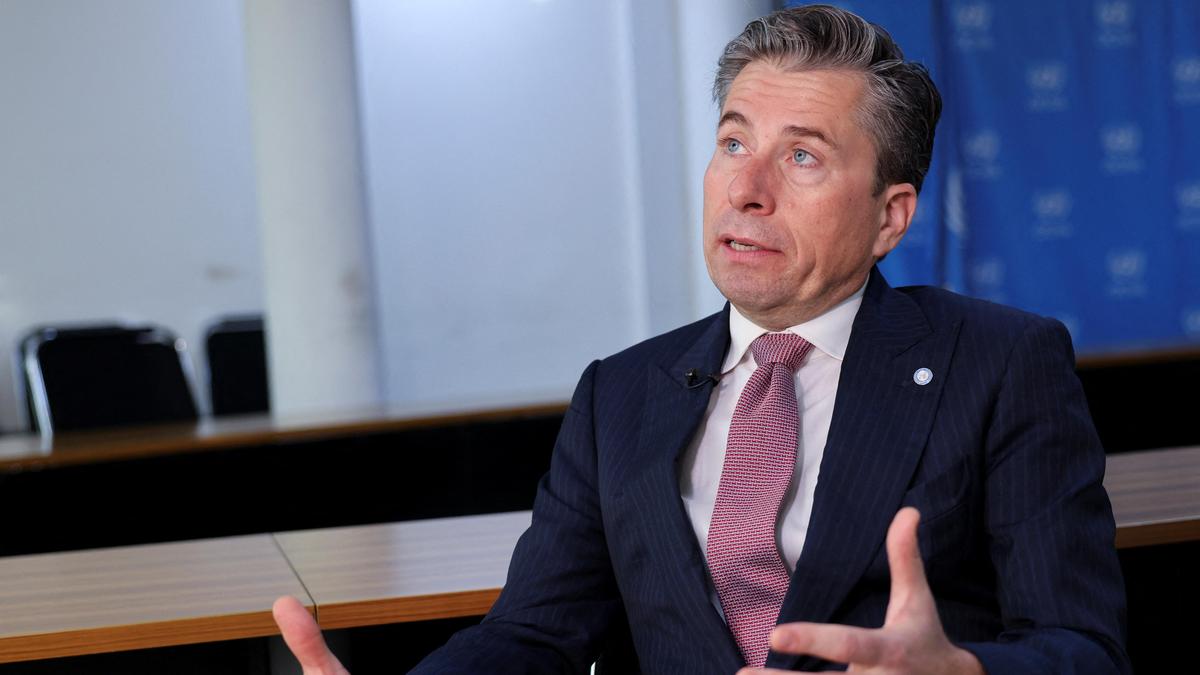
According to OCHA chief Tom Fletcher, the funding shortfall in 2025 had devastating consequences. “Hunger surged. Food budgets were slashed, even as famines hit parts of Sudan and Gaza. Health systems broke apart, disease outbreaks spiked. Millions went without essential food, healthcare and protection. Programs to protect women and girls were slashed, hundreds of aid organizations shut.”
Fletcher expressed frustration over the global prioritization of defense spending over humanitarian assistance. “The world spent $2.7 trillion on defense last year – on guns and arms. And I’m asking for just over 1% of that,” he stated. He is advocating for a “radical transformation” of aid delivery through reduced bureaucracy, increased efficiency, and greater empowerment of local organizations.
Despite the challenges, Fletcher expressed determination to continue delivering aid with the available resources and emphasized ongoing, constructive dialogue with the Trump administration on the issue. The UN is urging governments to step up their financial commitments and hold the agency accountable for maximizing its impact. The future of millions facing conflict, climate disasters, and food shortages hangs in the balance.
 First Piper