
Tue Dec 02 03:00:00 UTC 2025: Here’s a news article summarizing the provided text:
India Eyes Bioremediation to Tackle Growing Pollution Crisis
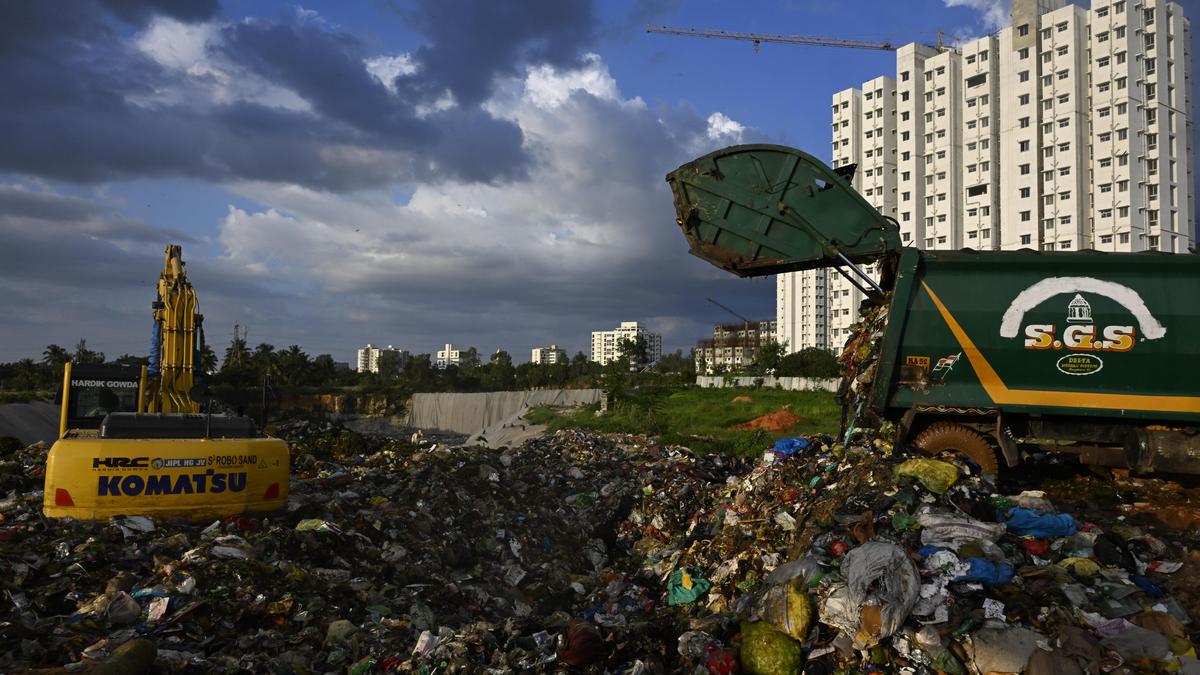
Bengaluru, December 2, 2025 – Faced with escalating pollution challenges from industrial waste and untreated sewage, India is increasingly turning to bioremediation, a technology that uses microorganisms to clean up contaminated environments. A recent article in The Hindu highlights the potential of this approach, offering a cost-effective and sustainable solution to reclaim polluted land, restore rivers, and address industrial contamination.
Bioremediation harnesses the power of bacteria, fungi, algae, and plants to break down toxic substances like oil, pesticides, plastics, and heavy metals into harmless byproducts. The article explains two main types: in situ bioremediation, where treatment occurs directly at the contaminated site, and ex situ bioremediation, where pollutants are removed and treated elsewhere.
While still largely in pilot phases, bioremediation is gaining traction in India. The Department of Biotechnology (DBT) supports research and partnerships in this area, with institutions like CSIR-NEERI and IIT actively experimenting with bioremediation techniques. Startups are also emerging, offering microbial solutions for soil and wastewater treatment.
“India’s rich biodiversity offers a significant advantage, with indigenous microbes adapted to local conditions capable of outperforming imported strains,” reports The Hindu.
However, challenges remain. A lack of site-specific knowledge, the complex nature of pollutants, and the absence of unified regulatory standards are hindering widespread adoption. Concerns also exist around the introduction of genetically modified organisms and potential unintended ecological effects.
The article emphasizes the need for national bioremediation standards, regional hubs linking universities and industries, and public engagement to ensure responsible implementation. As other nations are doing (Japan, EU, and China mentioned in the article), with biosafety guidelines, certification systems, and trained personnel, India aims to leverage bioremediation to achieve its environmental goals, restore its ecosystems, and create new opportunities in biotechnology and waste management.
 First Piper