
Sat Nov 22 20:06:00 UTC 2025: News Article:
Cauvery Water Dispute: Karnataka Resubmits Mekedatu Dam Project Proposal, Tamil Nadu Remains Opposed
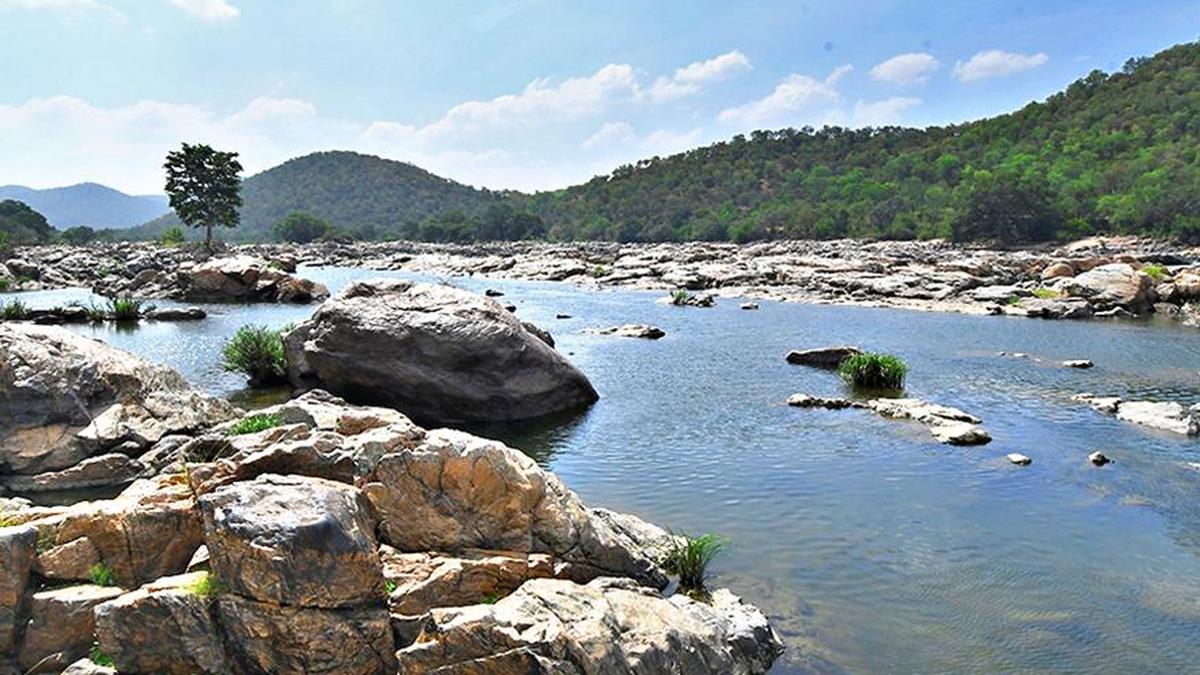
Bengaluru, November 23, 2025 – The Karnataka government is moving forward with its controversial plan to build a ₹9,000-crore (approximately $1.1 billion USD) balancing reservoir at Mekedatu on the Cauvery River, about 100 km from Bengaluru. The project aims to impound 67.16 TMC (thousand million cubic feet) of water and includes a 400 MW hydropower component.
Following a recent Supreme Court ruling that deemed Tamil Nadu’s challenge to the project “premature,” Karnataka has decided to submit a revised Detailed Project Report (DPR) to the central government. This allows the Cauvery Water Management Authority (CWMA) and the Central Water Commission (CWC) to examine the proposal.
The Mekedatu project aims to address Bengaluru’s growing water needs. City officials say Bengaluru currently faces a significant water shortage, requiring 2,600 million liters per day (MLD) while only receiving 2,100 MLD. The project seeks to utilize 4.75 TMC of water allocated to Karnataka by the Supreme Court in 2018 to help bridge the gap.
However, the project has been met with strong opposition from Tamil Nadu, the lower riparian state, who fear it will allow Karnataka to control the water flow of the Cauvery to its detriment. Tamil Nadu’s Water Resources Minister, Durai Murugan, has vowed to resist the project. The history of water sharing disputes between the two states has created deep distrust.
Karnataka Deputy Chief Minister D.K. Shivakumar has stated that the project, funded by state resources, will ensure Karnataka can supply water to Tamil Nadu as per the Cauvery Water Disputes Tribunal’s final order, even during years of low rainfall.
The project would also lead to the submersion of nearly 5,000 hectares of land, mostly forest and wildlife areas, raising environmental concerns. Some experts suggest Bengaluru could address its water shortage through rainwater harvesting and wastewater treatment, offering alternative solutions.
The CWMA and CWC are now expected to facilitate discussions between the two states in an attempt to reach an understanding on the project. The issue remains a contentious point between Karnataka and Tamil Nadu, highlighting the ongoing challenges of inter-state water resource management in India.
 First Piper