
Sun Nov 23 10:28:59 UTC 2025: ## Summary
A new red rice variety called Sahyadri Sindhura, developed by the Keladi Shivappa Nayaka University of Agricultural and Horticultural Sciences in Shivamogga, India, is experiencing high demand due to its high protein, iron, and zinc content, low glycemic index, and impressive yield. The variety, a cross between Jyothi and Biliya rice, is resistant to disease and pests, and produces high-quality straw for fodder. Farmers are already selling the rice for ₹70-₹80 per kilo, and requests are pouring in from various sources, including government officials. The university has also sent seeds to other states, like Tamil Nadu and Goa, due to interest in cultivation.
News Article
Indian University’s New Red Rice Variety Sees Surging Demand
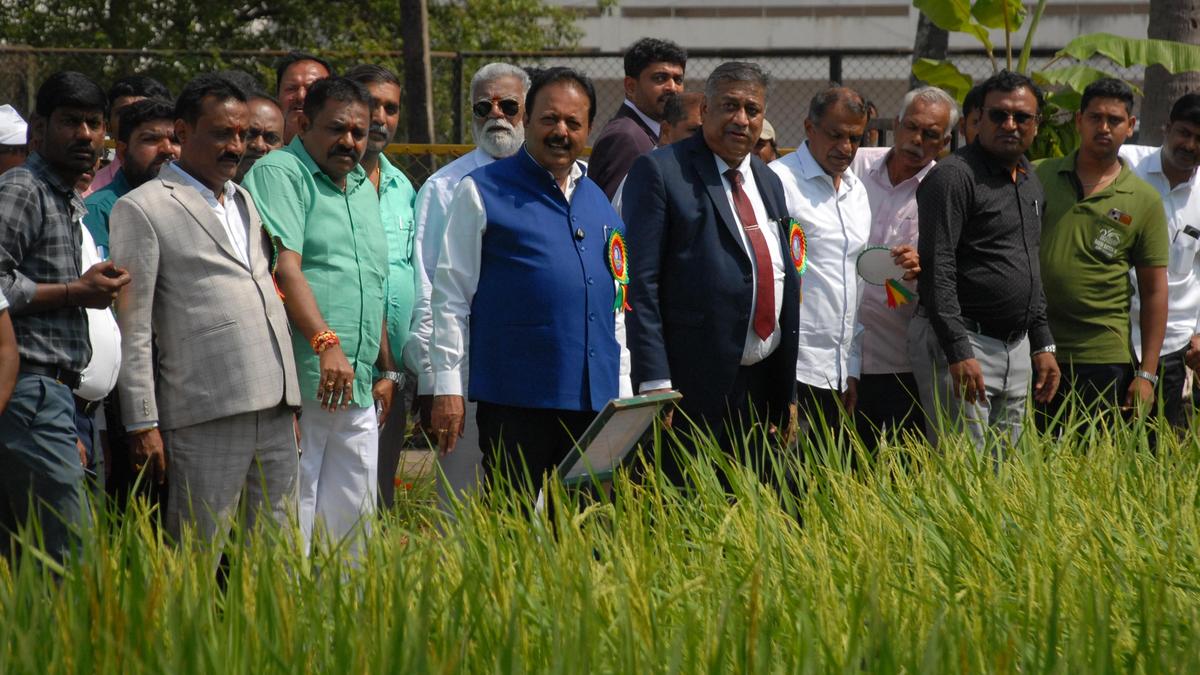
Shivamogga, India – November 23, 2025 – A newly developed red rice variety, Sahyadri Sindhura, is generating significant buzz in India’s agricultural sector. Launched earlier this month by Agriculture Minister N. Cheluvarayaswamy, the fine-grain rice, developed by the Keladi Shivappa Nayaka University of Agricultural and Horticultural Sciences in Shivamogga, boasts a superior nutritional profile and impressive yields.
Led by Dr. B.M. Dushyantha Kumar, the research team spent five years perfecting the Sahyadri Sindhura, a cross between the popular Jyothi and Biliya varieties. The result is a rice that matures in 120 days and boasts high protein, iron, and zinc content, along with a low glycemic index. Trial results have shown yields of 53-54 quintals per hectare in irrigated land, significantly outperforming traditional varieties.
“The trial results recorded an impressive yield… which is better than the traditional varieties,” Dr. Dushyanth Kumar told The Hindu.
Beyond its nutritional benefits and high yield, Sahyadri Sindhura exhibits resistance to blast disease and tolerance to common pests, minimizing the need for pesticides and benefiting farmers. The high-quality straw produced also serves as valuable fodder.
The rice, currently priced at ₹70-₹80 per kilo, is proving popular with consumers. Farmers and the university are struggling to keep up with demand. “The response from consumers is very impressive. The taste is good, and it is also healthy,” said a university spokesperson. “We are getting requests from the Governor’s office, ministers and many elected representatives.”
The university has already sent seeds of Sahyadri Sindhura to Tamil Nadu, Goa, and other locations, signaling the potential for widespread adoption of this promising new rice variety across India and beyond. Organic farmers, like Sitaram Bhat from Sagar Taluk, are also seeing benefits, with yields significantly higher than traditional organic rice crops.
 First Piper