
Fri Nov 21 09:30:00 UTC 2025: Summary:
A new study in Nature Communications highlights the severe impact of snakebites in India, which accounts for nearly half of global snakebite deaths. The study reveals that India’s official statistics underreport the true number of cases and deaths (45,000-58,000 annually). Many victims die outside hospitals due to a lack of prompt antivenom treatment. The “big four” venomous snakes, particularly the Russell’s viper, are responsible for most bites. Surviving snakebite victims face long-term health issues, including neurological problems and disabilities, and debilitating financial burdens due to high treatment costs. Researchers emphasize the urgent need for improved data collection, better antivenoms, increased access to healthcare, and health insurance coverage.
News Article:
India Grapples with Snakebite Crisis: Study Reveals Underreporting and Devastating Impact
New Delhi, November 22, 2025 – A new study published in Nature Communications has shed light on the devastating impact of snakebites in India, revealing that the country accounts for nearly half of all snakebite deaths globally. The research highlights a significant underreporting of cases and fatalities in official statistics, estimating that 45,000 to 58,000 people die annually from snakebites in India.
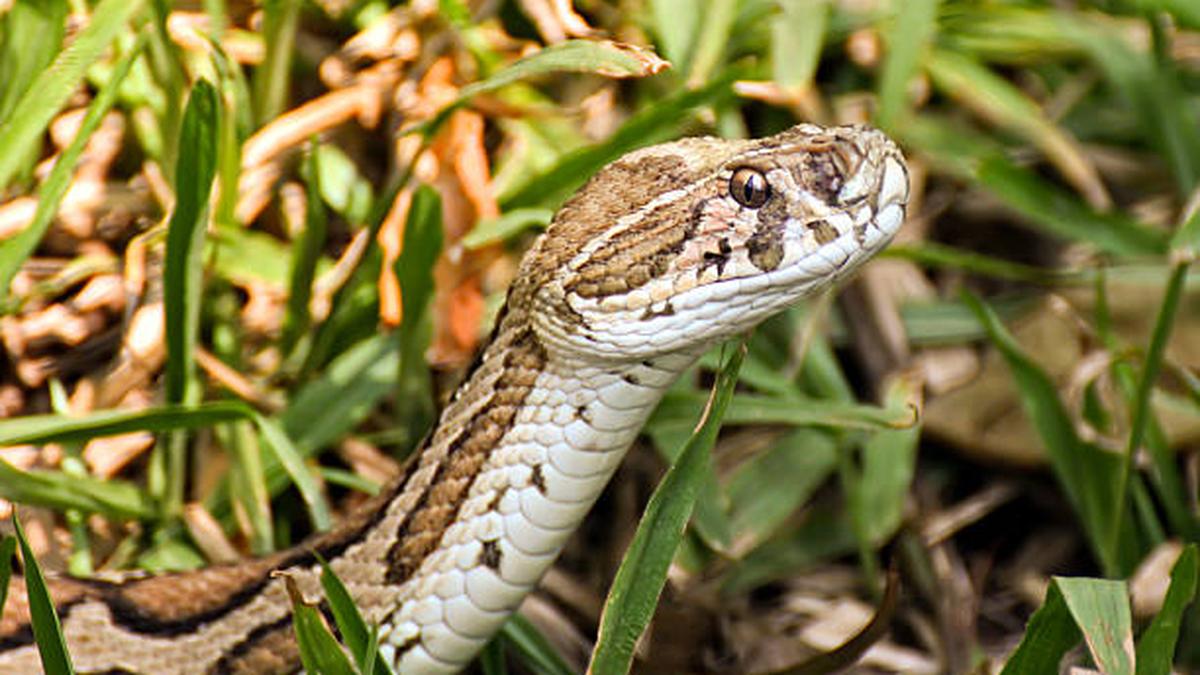
The “big four” venomous snake species – the Indian cobra, common krait, Russell’s viper, and saw-scaled viper – are responsible for the majority of bites. The Russell’s viper is most prevalent. Researchers emphasize the critical need for prompt antivenom treatment, as many victims die outside hospitals. Even with treatment, survivors often endure long-term health complications, including neurological sequelae, skin lesions, and psychological distress.
The study also exposes the significant financial burden placed on victims and their families, with treatment costs at private facilities reaching upwards of Rs 27,400. Despite government provisions for free antivenom in public hospitals, access remains limited, especially in remote areas.
“Healthcare providers are often inadequately trained to handle snakebite envenoming and its complications,” said Professor Kartik Sunagar, of the Indian Institute of Science.
The research underscores the urgent need for improved data collection, enhanced access to healthcare and health insurance, and the development of next-generation antivenoms to address the severe symptoms associated with snakebites.
 First Piper