
Sat Nov 22 17:08:41 UTC 2025: Summary:
The COP30 U.N. Climate Summit in Belem, Brazil concluded with COP President Andrei Lago committing to create “road maps” for ending deforestation and transitioning away from fossil fuels. While the final agreement, called “Global Mutirão,” lacked specific timelines for fossil fuel elimination, Lago’s commitment was seen as an effort to keep the conversation open with developed countries who pushed for such targets. The agreement, focused on unifying humanity against climate change, addressed funding for developing countries and international cooperation on climate measures. Ten other agreements were facilitated on topics like “just transition,” loss and damage, and a “global goal on adaptation.” However, some South American countries objected to aspects of the adaptation goal. Overall, observers like Arunabha Ghosh of the Council on Energy Environment and Water viewed the summit as a step in the right direction, achieving a good deal rather than failing to agree altogether amidst challenges to climate multilateralism.
News Article:
COP30 Wraps Up in Brazil with Commitments to End Deforestation, Fossil Fuel Dependence
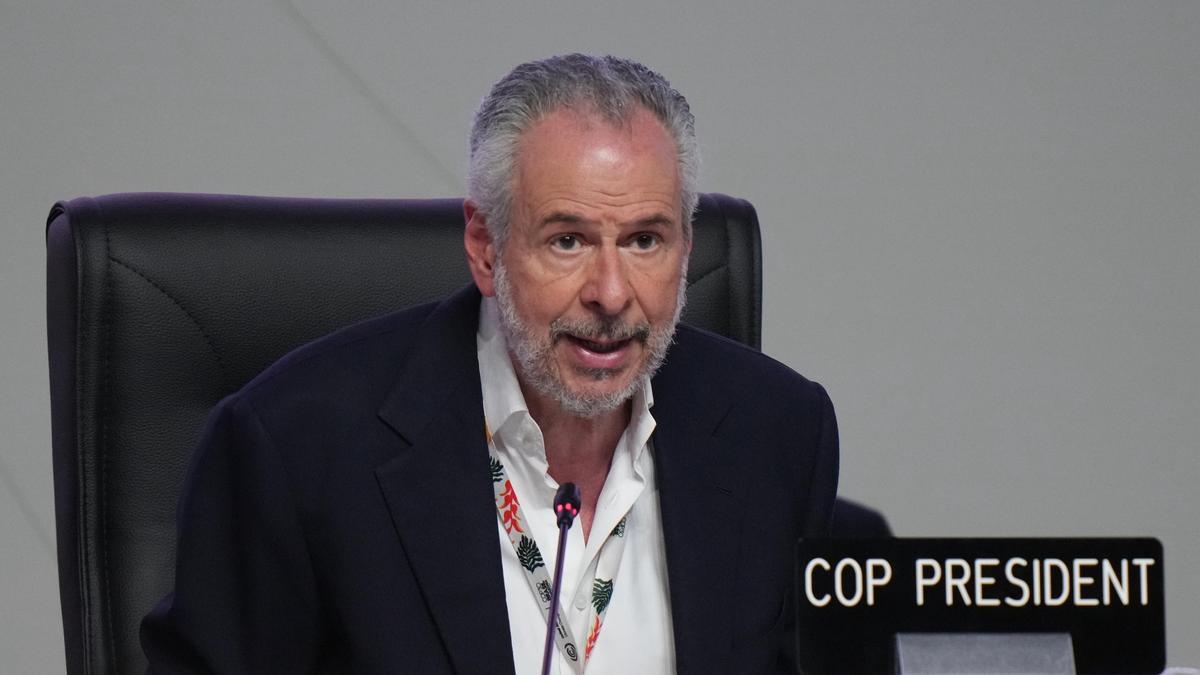
Belem, Brazil – November 22, 2025 – The 30th Conference of Parties (COP30) concluded in Belem, Brazil, late Saturday with a consensus agreement reached amidst persistent divides between developed and developing nations. COP President André Corrêa do Lago committed to developing “road maps” aimed at halting deforestation and transitioning away from fossil fuels, though specific timelines for the latter were not included in the final agreement.
The agreement, dubbed “Global Mutirão” (Portuguese for ‘coming together’), focuses on uniting global efforts against climate change. It addresses key sticking points, including the implementation of Article 9 of the Paris Agreement, requiring developed nations to mobilize funds for developing countries to transition away from fossil fuels, and promoting international cooperation on climate measures.
While developing nations resisted binding commitments on eliminating fossil fuels, President Lago’s opening statement was interpreted as a signal to developed countries that the conversation on a definitive fossil fuel roadmap would remain open.
Beyond the Mutirão agreement, ten other significant agreements were facilitated, covering topics such as a “just transition” for workers adapting to new jobs, addressing loss and damage from climate change impacts, technology transfer, and establishing a “global goal on adaptation” to measure progress.
However, disagreements emerged during discussions on the global goal on adaptation, with South American countries raising objections that briefly disrupted proceedings.
Arunabha Ghosh, CEO of the Council on Energy Environment and Water and Special Envoy to COP30 representing South Asia, characterized the summit as a step forward. “In a year where climate multilateralism has been challenged, getting a good deal was better than failing to get any deal,” Ghosh stated, highlighting the agreement to work towards tripling adaptation finance by 2035 and the recognition of diverse national pathways for a just transition.
 First Piper