
Sat Nov 22 07:33:56 UTC 2025: Summary:
A report by ICIMOD identifies 42 glacial lakes in Nepal, specifically in the Koshi province, as being at high risk of bursting. These potential glacial lake outburst floods (GLOFs) threaten significant loss of life and infrastructure damage. Four of these high-risk lakes are in the Sankhuwasabha district, with Tallopokhari being identified as the most vulnerable. ICIMOD, in collaboration with the Department of Hydrology and Meteorology and UNDP Nepal, is developing risk-reduction measures. Experts also warn that 13 glacial lakes originating in Tibet pose a threat to Nepal. Vulnerable populations, including women, children, and the elderly, are being targeted with awareness and capacity-building programs.
News Article:
Nepal: 42 Glacial Lakes at High Risk of Flooding, Experts Warn
Kathmandu, Nepal – November 22, 2025 – A new report has identified 42 glacial lakes in Nepal as being at critical risk of bursting, potentially leading to devastating floods and widespread destruction. The International Centre for Integrated Mountain Development (ICIMOD) warns that a glacial lake outburst flood (GLOF) could result in significant loss of life and severe damage to infrastructure, particularly in the Koshi province where all high-risk lakes are located.
Speaking at a discussion in Khandbari on Friday, ICIMOD expert Sharad Prasad Joshi highlighted the findings of the report, “Risks Arising From Rapid Changes in Nepal’s Glaciers and Glacial Lakes,” which categorized the 42 lakes out of 2,069 across the country as being highly vulnerable.
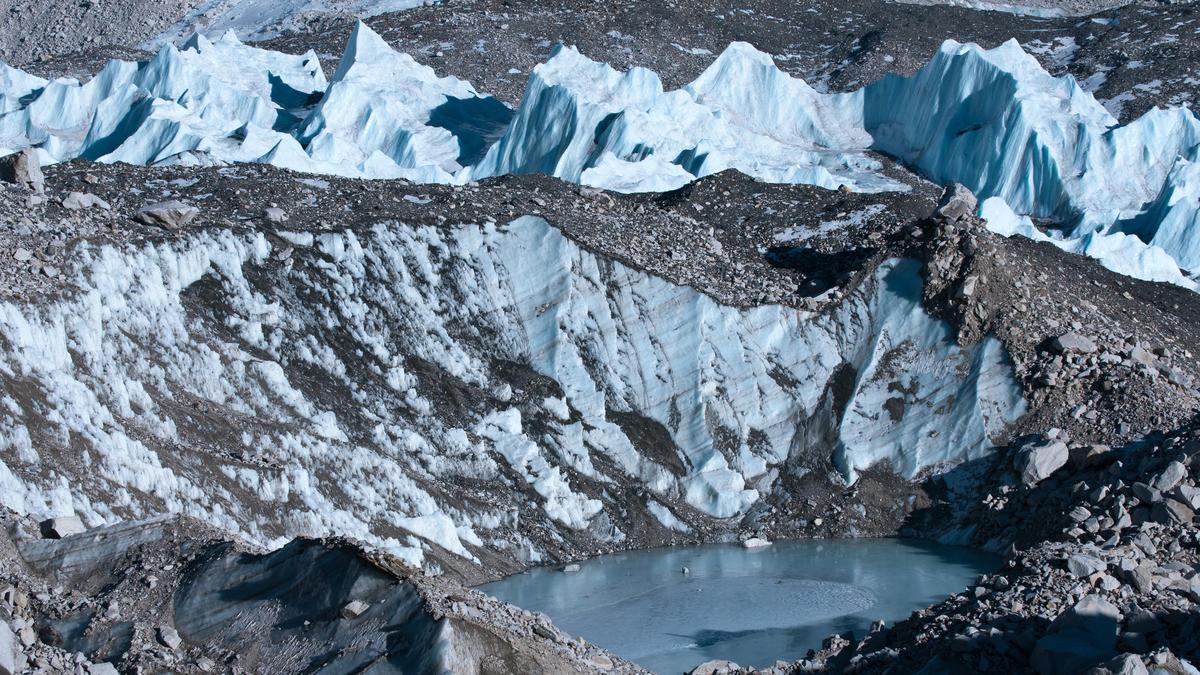
In Sankhuwasabha district, four glacial lakes, including those in Bhotkhola and Makalu, are considered high risk. The Tallopokhari glacial lake in the lower Barun area is identified as the most vulnerable, measuring approximately three kilometers long and up to 206 meters deep.
“A lake burst could endanger several settlements and infrastructure in the Arun Valley,” warned Mr. Joshi. He added that 13 glacial lakes originating in Tibet also pose a threat to Nepal’s northern regions.
ICIMOD is working with the Department of Hydrology and Meteorology and UNDP Nepal to develop risk-reduction measures for the four high-risk lakes.
Neera Shrestha Pradhan, another ICIMOD expert, emphasized the disproportionate impact of disasters on vulnerable groups. “Women, children, and the elderly are often the most affected during disasters,” she stated, adding that ICIMOD is implementing programs to raise awareness and strengthen the resilience of these populations.
The findings underscore the urgent need for enhanced monitoring, preparedness, and proactive mitigation efforts to protect communities and infrastructure in the face of increasing glacial melt due to climate change.
 First Piper