
Thu Nov 20 08:10:38 UTC 2025: Summary:
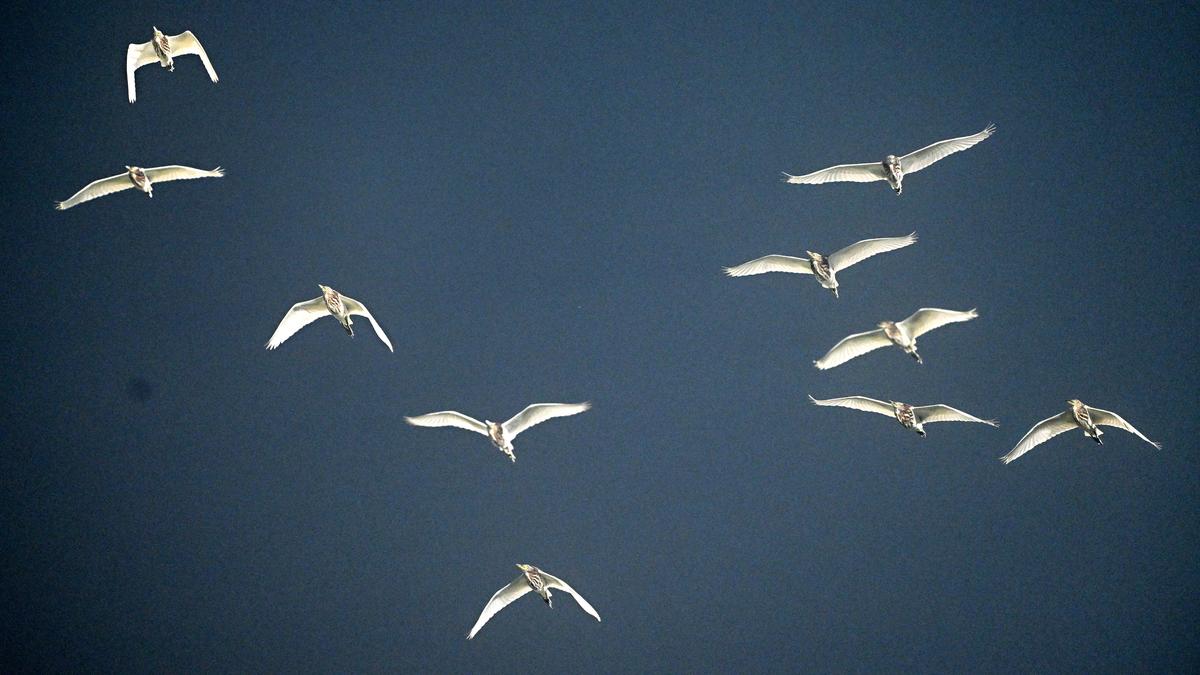
For decades, a peculiar disappearance and reappearance of pond herons and cattle egrets has puzzled naturalists along India’s East coast. These birds, typically considered non-migratory, vanish from wetlands during the monsoon season (June-September) and reappear in October, flying southwest. What started as individual observations in the 1980s has now become a structured citizen-science effort. Researchers and birding enthusiasts in Visakhapatnam have been documenting these nightly movements for the past three years. Explanations for this behavior include the availability of water and the agricultural cycles, with birds seeking better foraging grounds during dry periods. While it’s suspected the birds may be traveling towards the Rameswaram coast and even Sri Lanka, further research is needed to confirm their destination and understand the full extent of this newly documented migration.
News Article:
Citizen Scientists Uncover Hidden Migration of Common Birds Along India’s East Coast
Visakhapatnam, November 20, 2025 – What was once considered commonplace is now being revealed as a fascinating migration pattern along India’s East Coast. For decades, naturalists have observed the disappearance and reappearance of pond herons and cattle egrets, typically considered non-migratory birds. Now, a growing community of citizen scientists and researchers are shedding light on this overlooked phenomenon.
As early as the 1980s, naturalist V. Santharam noticed the seasonal absence of these birds from wetlands around Chennai. This pattern is now being documented by birding enthusiasts in Visakhapatnam, including Vivek Rathod, V. Bhagyasree, and Yagnapathy Adari, who have been tracking the nightly movements of these birds for the past three years.
“The onset of winter brings numerous migrant species to our region, and we have also been observing the nightly movements of cattle egrets and pond herons,” explains Vivek Rathod. “Our collective notes suggest a directional movement from the northeast towards the southwest.”
The birds typically vanish from mid-June to the end of September, reappearing in October and November, flying southwest. While the exact reasons are still under investigation, experts believe the migration may be linked to water availability and agricultural cycles. The birds may be seeking alternative foraging grounds as wetlands dry up during the monsoon season and paddy fields are harvested.
“When water levels decline, food availability also changes,” says Santharam. “The birds may be compelled to travel to places that can support them during that period.”
Wildlife Conservation Through Research & Education (WCTRE) is now encouraging residents to report sightings to further map the birds’ movements. It is suspected that the birds might be traveling towards the Rameswaram coast and possibly even to Sri Lanka, but further research is needed to confirm the final destination of this newly documented migration.
This discovery highlights the importance of citizen science and the potential for uncovering hidden ecological behaviors even in familiar species. As the research continues, the night skies over India’s East Coast are revealing a fascinating story of migration and adaptation.
 First Piper