
Tue Nov 18 12:17:29 UTC 2025: Summary:
The e-paper article from The Hindu, dated November 19, 2025, covers several international affairs with an Indian perspective. Key topics include:
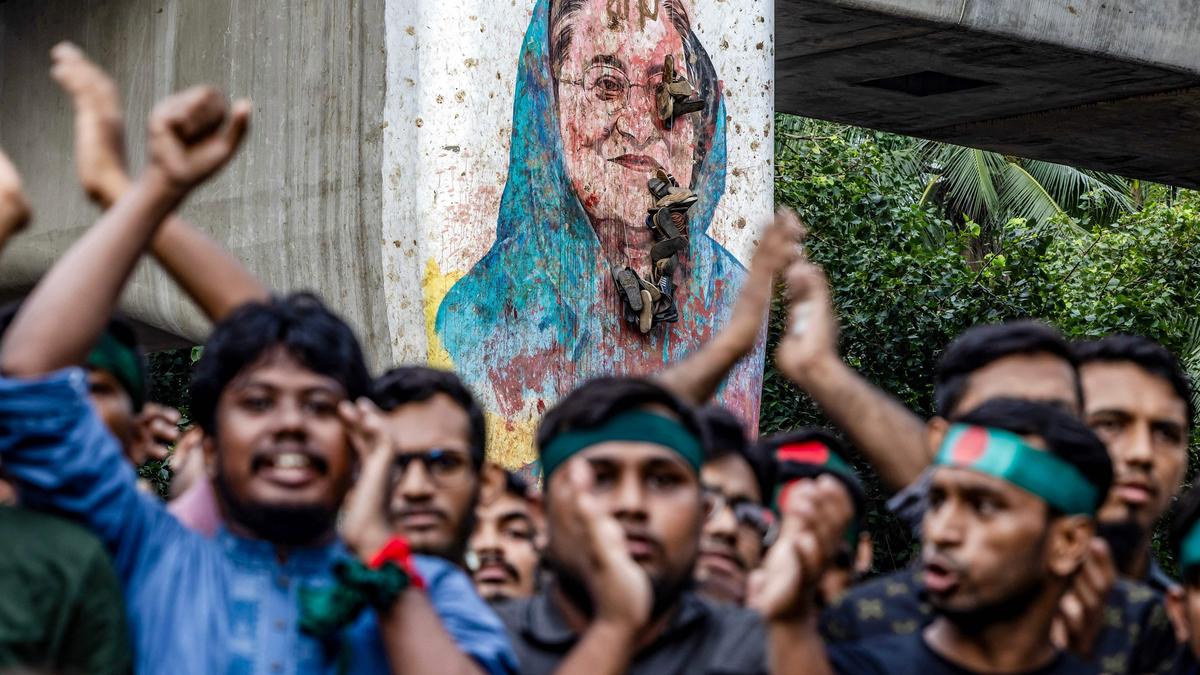
- The International Crimes Tribunal of Bangladesh sentencing former Prime Minister Sheikh Hasina to death, a verdict seen as politically motivated. This has strained relations between Bangladesh and India, where Ms. Hasina is currently in exile.
- A constitutional amendment in Pakistan consolidating power under the military, specifically General Asim Munir, creating a Chief of Defence Forces position and granting immunity to high-ranking officers.
- Other brief reports from around the globe, including political situation in Sri Lanka, shifts in US foreign policy towards Israel and Venezuela, India’s relationship with Africa, and the future of global nuclear order with President Trump’s approach.
News Article:
Bangladesh Sentences Former PM Hasina to Death, Raising Tensions with India
DHAKA/NEW DELHI – The International Crimes Tribunal of Bangladesh has sentenced former Prime Minister Sheikh Hasina to death for crimes against humanity related to the 2024 student uprising crackdown. The verdict, delivered just months before scheduled elections, has been met with strong reactions both domestically and internationally.
Hasina, currently in exile in India, was found guilty alongside former Home Minister Asaduzzaman Khan Kamal. Chowdhury Abdullah Al-Mamun, Former Inspector General of Police (IGP), who testified before the tribunal against Ms. Hasina and Mr. Khan, was sentenced to five years. The interim government and opposition parties, including the Jamaat-e-Islami and the Bangladesh Nationalist Party, have welcomed the verdict, with some student protesters calling for Hasina’s execution.
Hasina’s party, the Awami League, has denounced the verdict as politically motivated. Hasina herself maintains her innocence, stating the events were mischaracterized.
The Bangladeshi Ministry of Foreign Affairs has called on India to extradite Hasina and Khan, labeling it an “obligatory responsibility” and warning that granting asylum would be “an affront to justice.” India’s response has been measured, stating it has “noted” the verdict and remains committed to the stability and democracy of Bangladesh, signaling a reluctance to take sides.
Meanwhile, in Pakistan, a constitutional amendment has consolidated military power, raising concerns about the future of democracy in the country. The amendment creates the position of Chief of Defence Forces, granting significant authority to the army and providing immunity to high-ranking officers.
The events in Bangladesh and Pakistan are unfolding against a backdrop of global political shifts, including changing US foreign policy towards Israel and Venezuela, and evolving dynamics in India’s relationship with Africa.
 First Piper