
Sat Nov 15 23:26:00 UTC 2025: Summary:
Iran is exploring the use of cryptocurrencies to bypass international sanctions and facilitate trade with countries like India and other BRICS nations. This initiative was discussed at the deBlock Summit, Iran’s first international blockchain conference, where government officials and business leaders highlighted the potential of cryptocurrencies for de-dollarization and independent trade. While the government expressed its readiness to invest in digital currencies and blockchain technology, private sector participants raised concerns about the lack of a transparent regulatory environment. The move comes after renewed sanctions imposed by European nations due to Iran’s alleged uranium enrichment activities. The US has warned BRICS countries against forming a BRICS currency and moving away from the dollar. India, however, has stated that de-dollarization is not part of its financial agenda.
News Article:
Iran Eyes Crypto to Evade Sanctions, Boost Trade with BRICS
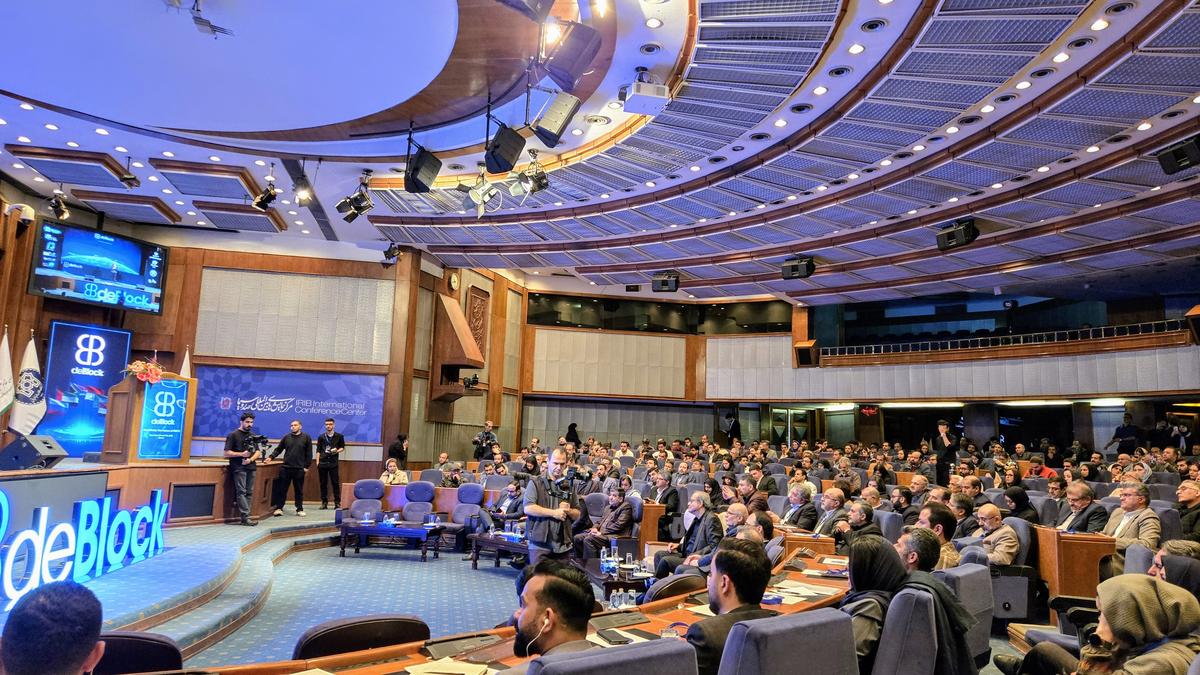
TEHRAN, Iran – November 16, 2025 – Facing renewed international sanctions, Iran is actively pursuing the use of cryptocurrencies to bypass financial restrictions and facilitate trade, particularly with BRICS nations like India. This strategy was a central theme at the recently concluded deBlock Summit, Iran’s inaugural international blockchain conference.
Iranian Parliament Speaker Mohammad Bagher Ghalibaf championed the potential of cryptocurrencies to enable independent trade and position Iran as a regional blockchain hub. “Cryptocurrencies provide new ways to do business and to pay for trade,” he stated at the summit. “It is a necessity for us.” Ghalibaf added that the Parliament is ready to collaborate with experts and attract investments in digital currencies.
Pooria Asteraky, chairman of the deBlock Summit, echoed the sentiment, describing cryptocurrencies as a vital tool for de-dollarization, a move to reduce reliance on the U.S. dollar in international trade.
However, the Iranian government’s push faces challenges. Private sector participants expressed concerns about the current regulatory landscape. Ehsan Mehdizadeh, CEO of Wallex Iran, the country’s largest cryptocurrency exchange, noted the lack of a transparent regulatory environment necessary for the crypto and blockchain sectors to thrive. Despite the Central Bank of Iran being the sole regulator, it has introduced various restrictions, including blocking gateways that allow the Iranian Rial to be converted into cryptocurrencies.
The move comes after France, the UK, and Germany initiated a “snapback mechanism” in August 2025, reimposing sanctions on Iran in response to alleged increased uranium enrichment activities.
The U.S. has long opposed efforts to circumvent the dollar’s dominance, with President Trump previously warning BRICS nations against creating a unified currency. While India has stated that de-dollarization is not on its financial agenda, Iran’s pursuit of crypto-based trade represents a significant development in the ongoing global debate about the future of international finance.
 First Piper