
Sat Nov 08 11:19:06 UTC 2025: ## News Article:
Why are Stones Used Under Railway Tracks? A Deep Dive into Track Ballast
New Delhi, November 8, 2025 – Have you ever wondered about the sea of stones beneath railway tracks? It’s not just for show; they’re crucial components called track ballast. A recent article published in The Hindu’s “Science For All” newsletter explains the importance of these seemingly ordinary stones.
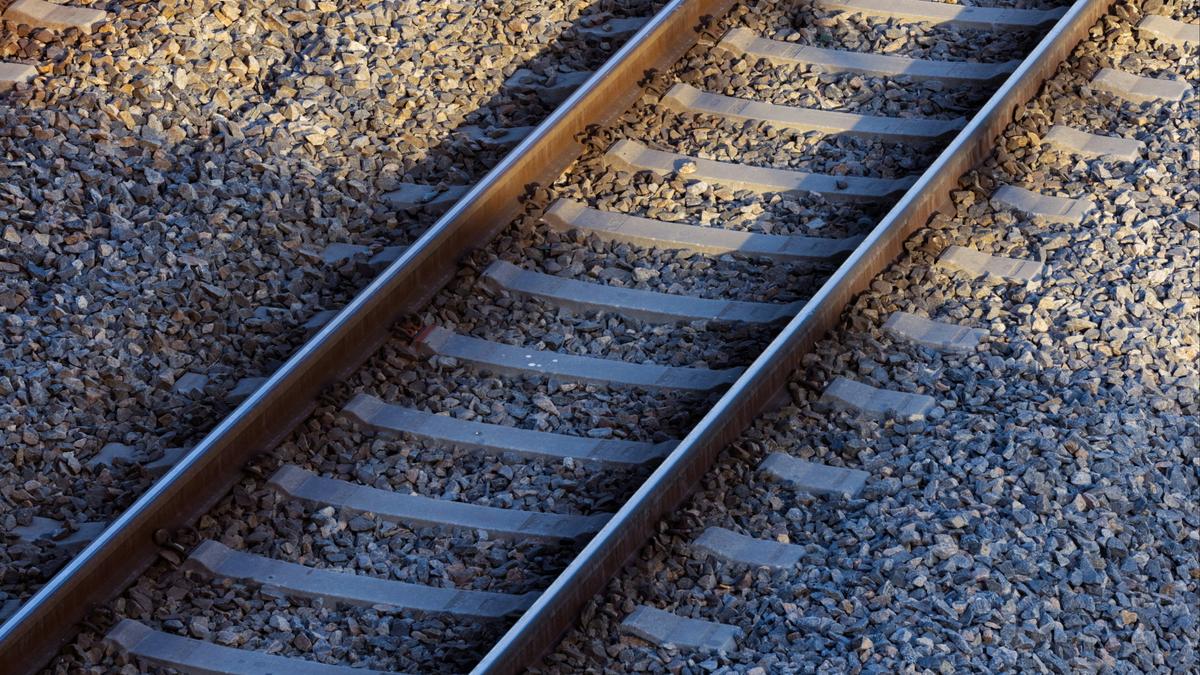
Inspired by the concept of ballast used to stabilize ships, track ballast provides stability and support to railway tracks, bearing the immense weight of trains. An average loaded passenger train weighs approximately 1100 tonnes – that is the equivalent of 250 elephants.
The article details the construction of railway roadbeds, emphasizing that the roadbed alone cannot withstand the pressure of such heavy trains. A layer of crushed stones, typically limestone or granite, is spread over the roadbed to act as ballast. This layer, ranging from 150mm to 400mm thick, is laid over a crowned roadbed surface designed for water drainage. Railway sleepers are then placed on the ballast, followed by the steel tracks.
While crushed stones are commonly used, the article notes that other materials such as gravel, sand, water, slag, and burnt clay can also serve as ballast, provided they are hard, durable, and capable of withstanding immense pressure.
This “Science For All” article, normally released weekly, aimed to demystify the science behind everyday engineering marvels like the railway system. The article is a must-read for anyone curious about the often-overlooked elements that keep our trains running smoothly.
Summary:
The Hindu’s “Science For All” newsletter published an article explaining the purpose and composition of track ballast (the stones under railway tracks). Inspired by ship ballast, track ballast is a layer of durable material (usually crushed stone) spread over the railway roadbed, providing stability and support for heavy trains. It also facilitates water drainage.
 First Piper