
Fri Nov 07 23:06:00 UTC 2025: Summary:
Following India’s victory in the 2025 ICC Women’s World Cup, there has been a surge of interest in women’s cricket across the country, with academies reporting a significant increase in inquiries and enrollments. However, despite the growing popularity and success, challenges remain for aspiring female cricketers. Many still face societal biases, limited resources, unequal opportunities compared to their male counterparts, and a lack of adequate infrastructure, particularly in rural areas. The dedication and resilience of these young athletes, often overcoming financial and social obstacles, highlight the need for greater support and investment in women’s cricket to ensure equal access and opportunity for all.
News Article:
India’s World Cup Win Sparks Cricket Revolution for Women, But Challenges Persist
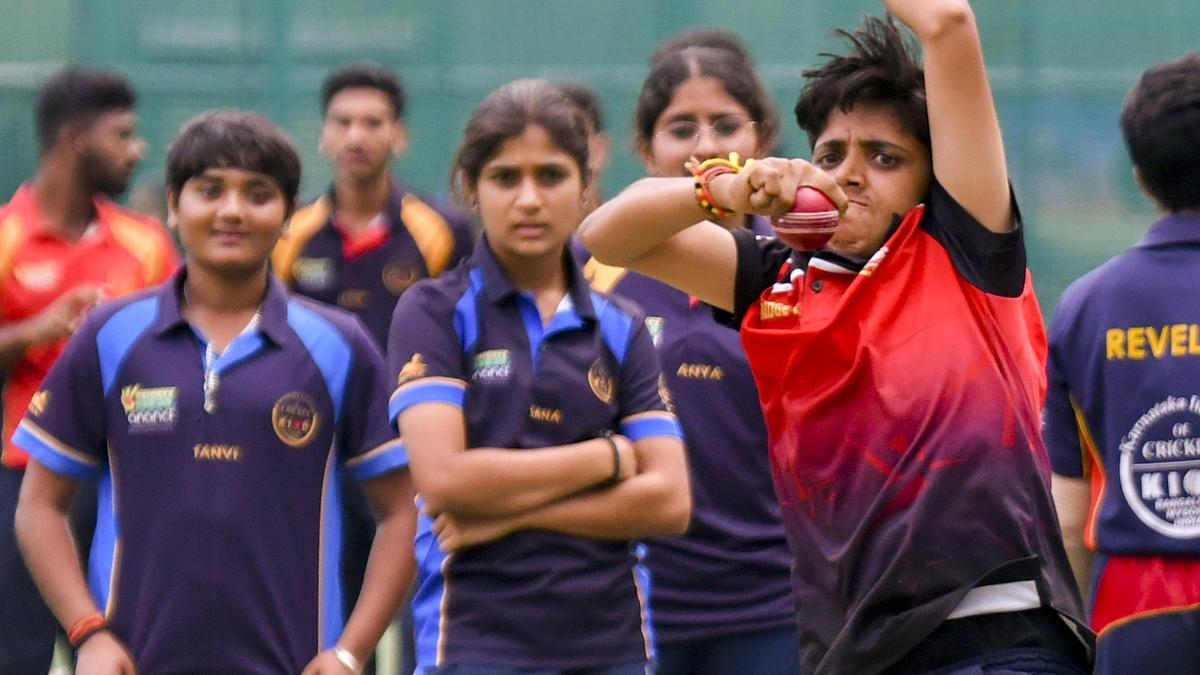
Bengaluru, November 8, 2025 – India’s recent triumph at the ICC Women’s World Cup on November 2nd has ignited a surge of interest in women’s cricket nationwide, with academies reporting a significant influx of aspiring female players. Inspired by the victory, parents are rushing to enroll their daughters in cricket coaching, signaling a potential turning point for the sport in India.
“This event will give more encouragement to our women and our girls to take up cricket in a more serious, competitive manner,” said BCCI secretary Devajit Saikia before the World Cup, a sentiment now echoed across the country.
However, despite the growing enthusiasm and the rise of role models like World Cup star Shafali Verma, significant hurdles remain. Many aspiring cricketers, especially those from rural backgrounds, continue to face financial constraints, limited access to resources, and societal biases.
In Chhatarpur, Madhya Pradesh, 18-year-old Pinky Ahirwar exemplifies the dedication required. She cycles long distances to training to save money for a proper diet. Coach Rajeev Bilthare, who runs the Sai Sports Academy in the region and trained World Cup winner Kranti Goud, highlights the lack of governmental support despite the academy’s success.
Across the country, similar stories emerge. While academies in Haryana, Chennai, and Bengaluru are experiencing a surge in interest, coaches acknowledge that female players are often evaluated against male standards and remain a minority in training programs. Infrastructure limitations, such as the absence of proper grounds, washrooms, and equipment, further hinder progress.
“We need to make sure coaching, scouting, and exposure grow in tandem,” said coach Swapnil Pradhan from Mumbai.
The disparity in pay and opportunities compared to men’s cricket also remains a significant concern. Coach Kiran Salgaonkar from Thane emphasizes that equal dedication deserves equal rewards.
Despite these challenges, the determination of young cricketers like Adrija Sarkar in Kolkata and Sonia Mendhiya in Rohtak, who have overcome financial hardship and social stigma to pursue their dreams, provides a glimmer of hope.
“Even on social media, one bad match and they tell you to go back to the kitchen,” said Chahat Grewal,13. “We don’t get the same support unless we win medals or score runs.”
The success of the Women’s Premier League and the World Cup victory are catalysts for change. But greater investment, equal opportunities, and a shift in societal attitudes are crucial to ensure that the cricket revolution truly empowers women across India.
 First Piper