
Mon Nov 03 04:43:07 UTC 2025: Summary:
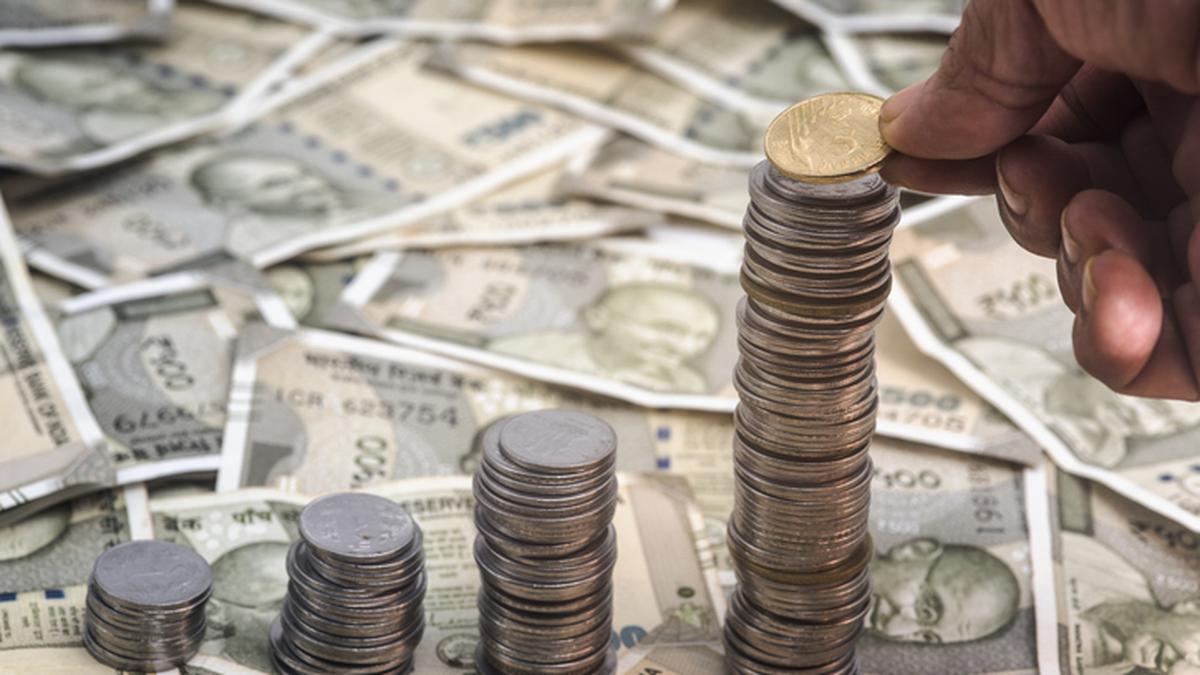
On November 3, 2025, the Indian Rupee weakened against the US Dollar, falling 7 paise to 88.77. This decline was attributed to rising crude oil prices, continuous foreign capital outflows, and negative sentiment in domestic equities. While a weaker dollar provided some support, the rupee was pressured by broader economic factors, including a drop in foreign exchange reserves and concerns over the global trade situation. The stock market also saw a decline, with Sensex and Nifty both falling in early trade.
News Article:
Rupee Slips Amid Global Economic Headwinds
Mumbai, November 3, 2025 – The Indian Rupee (INR) experienced a dip against the US Dollar (USD) in early trading today, falling 7 paise to settle at 88.77. The decline comes amid a confluence of factors, including rising crude oil prices, persistent outflow of foreign capital, and a generally cautious outlook on the Indian stock market.
Forex traders point to elevated global crude oil prices, currently benchmarked at ₹64.97 per barrel, as a key driver of the rupee’s weakness. The ongoing withdrawal of foreign capital, reflected in Friday’s reported ₹6,769.34 crore sell-off by foreign institutional investors, is further exacerbating the pressure.
Negative sentiment also pervades the domestic equities market. The Sensex fell 258.83 points (0.31%) to 83,679.88, while the Nifty dropped 47.95 points (0.19%) to 25,674.15 in early trading.
While a slight weakening of the dollar index (down 0.04% to 99.59) offered a degree of cushion, the overall market sentiment remains tilted towards caution. RBI data released Friday revealed a $6.925 billion decline in the country’s forex reserves, bringing the total down to $695.355 billion.
Adding to the economic landscape, data from the Controller General of Accounts (CGA) indicates that the Union government’s fiscal deficit stood at 36.5% of the full-year target at the end of the first half of FY26. This compares to 29% during the same period in the previous financial year.
Analysts are closely monitoring these developments, suggesting that the rupee’s performance will depend on a number of factors, including global trade dynamics, domestic economic policies, and the direction of international oil prices.
 First Piper