
Sun Nov 02 02:59:23 UTC 2025: Here’s a news article summarizing the provided text:
News Article: Unregulated Tourism and Construction Blamed for North Bengal Landslide Crisis
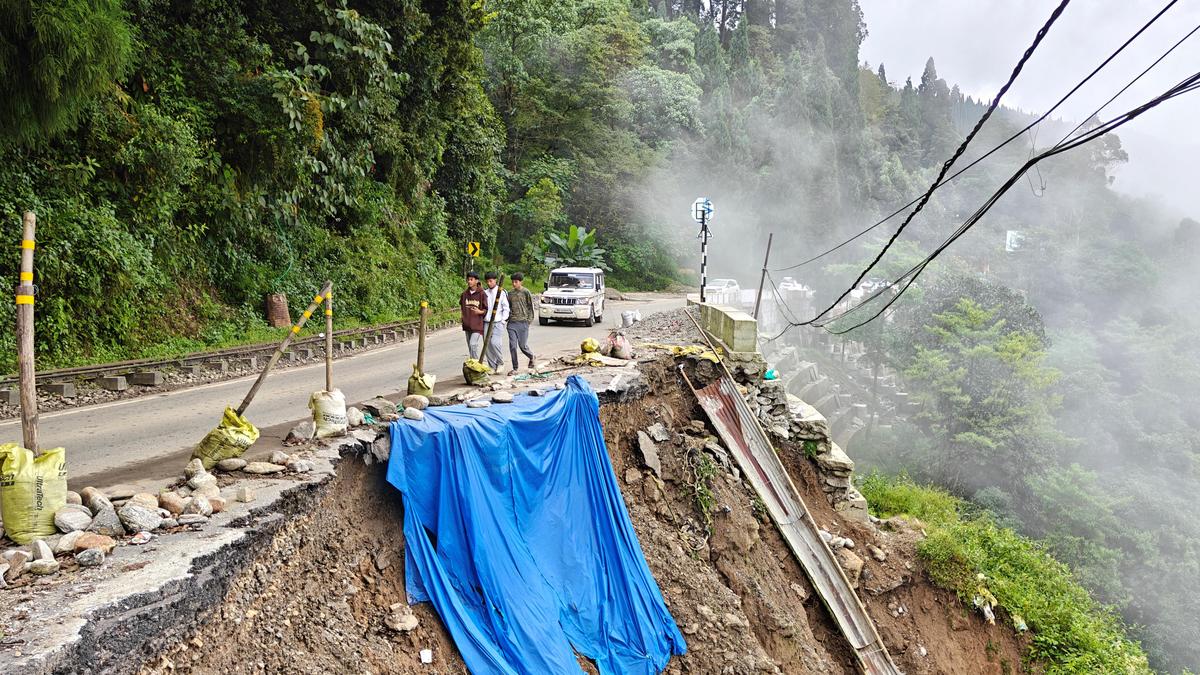
Kolkata, November 2, 2025 – Following devastating floods and landslides in October, experts are warning that unregulated construction and tourism are exacerbating the risk of natural disasters in the ecologically fragile Darjeeling and Jalpaiguri districts of North Bengal. Rains triggered by Cyclone Motha over the weekend further heightened the danger, with rivers approaching or exceeding danger levels.
The region suffered a major blow last month when incessant rainfall caused over 110 landslips, claiming more than 30 lives and halting daily life. While West Bengal officials initially cited unprecedented rainfall, poor flood management, and water release from neighboring regions, experts point to a more complex issue: unchecked development.
“Rivers and streams are being blocked or rerouted due to construction, reducing their capacity and increasing the risk of flash floods,” explained Professor Partha Pratim Biswas of Jadavpur University. He questioned the proliferation of hotels and homestays along vulnerable riverbanks, fueled by the demand for “off-beat tourist destinations.” Deforestation is also cited as a major contributing factor.
Experts also highlighted changing rainfall patterns due to climate change, leading to unprecedented rainfall. Experts said that the carrying capacity of rivers must also be increased by dredging, desilting, and stopping construction along the most vulnerable riverbanks
Academics like Indrajit Roy Chowdhury of North Bengal University cautioned against rapid highway and tunnel construction, emphasizing the need to maintain River Regulated Zones. Samrat Sanyal of the Himalayan Hospitality Tourism Development Network announced a survey to assess if sensitive areas are exceeding their carrying capacity.
Tourism experts are advocating for a shift towards sustainable and ecologically sound practices. Scientists are urging mapping of the hills to determine suitable construction types and stricter regulations. The call for a holistic and sustainable approach is growing louder, with experts warning that prioritizing profits over environmental protection could lead to even greater disasters in the future.
 First Piper