
Sat Nov 01 15:37:02 UTC 2025: Summary:
Bangladeshi port workers in Chattogram are staging hunger strikes and protests against the interim government’s plan, led by Professor Muhammad Yunus, to lease the New Mooring Container Terminal (NCT) and other port facilities to foreign companies like DP World and AP Moller-Maersk. The workers, organized under the Sramik Karmachari Oikya Parishad (SKOP), argue that the NCT was built with domestic funds and is already successful. They fear the move is against national interest and will lead to exploitation. Yunus defends the decision, stating it will improve the ports and connect them to boost economic ties in the region, improve efficiency, and enhance the port to a world-class facility. Workers warned of intensified labor actions if the government persists with the plan, including work stoppages and blockades. Security experts worry about the potential threat to national sovereignty.
News Article:
Bangladeshi Port Workers Stage Hunger Strike Over Foreign Lease Plans
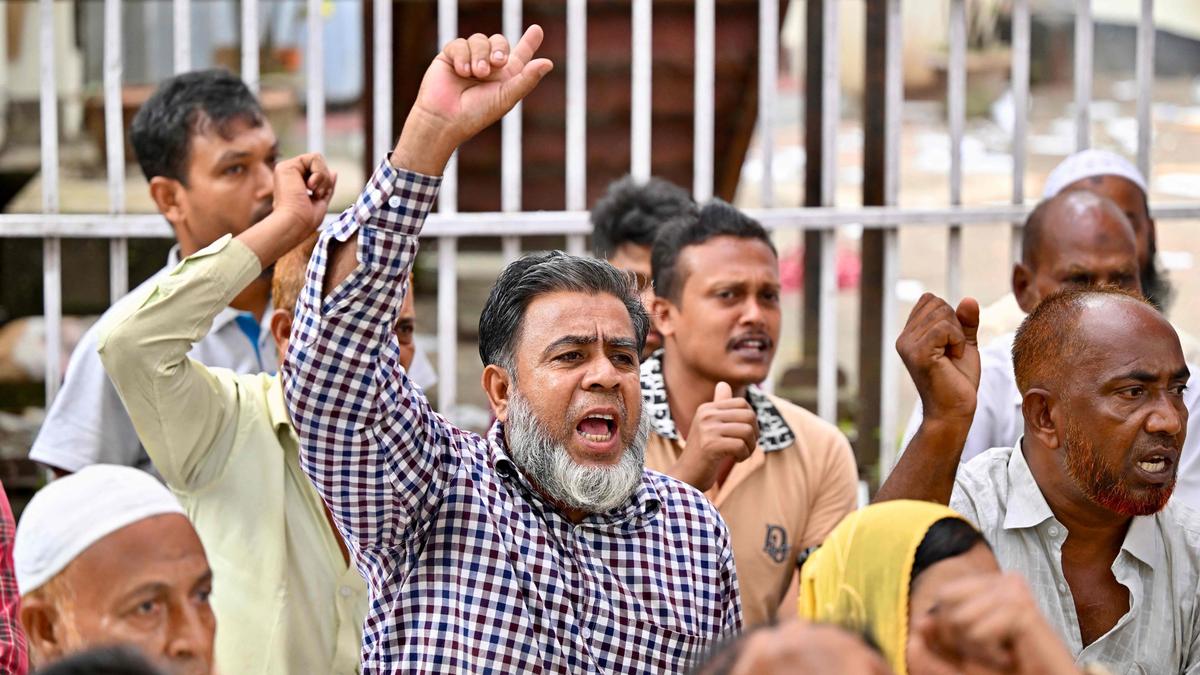
Chattogram, Bangladesh – November 1, 2025 – Hundreds of port workers in Chattogram took to the streets today, launching a mass hunger strike to protest the interim government’s controversial decision to lease the country’s main commercial seaport to foreign operators. The protests, organized by the Sramik Karmachari Oikya Parishad (SKOP), are a direct response to Professor Muhammad Yunus’s plan to lease the New Mooring Container Terminal (NCT) to UAE-based DP World, along with other terminals to shipping giants like AP Moller-Maersk.
Workers argue that the NCT, a successful container terminal, was built with domestic funds and expertise. They believe leasing it to foreign companies is against the national interest and threatens Bangladeshi jobs.
“This decision will not be accepted under any circumstances,” declared Anwar Hossain, a leader of SKOP, at a rally near the port. “The state must protect public assets rather than lease or sell them.”
Professor Yunus defends the move, claiming it will modernize and improve the efficiency of Bangladesh’s ports, making them world-class facilities. He says connecting the ports will boost regional trade with Nepal, Bhutan, and India. He urged the people to resist those who opposed the move, stating the foreign firms posed no threat to national security.
The protests come amidst a volatile political climate ahead of upcoming elections. Security experts have voiced concerns that the decision could jeopardize Bangladesh’s sovereignty.
SKOP leaders have warned of escalating labor actions, including work stoppages and port blockades, if the government proceeds with the leasing plan. The protests occurred despite a police ban on rallies.
 First Piper