
Fri Oct 24 10:39:21 UTC 2025: NEWS ARTICLE
British Museum Exhibition Sparks Debate on Colonial Loot and Cultural Restitution
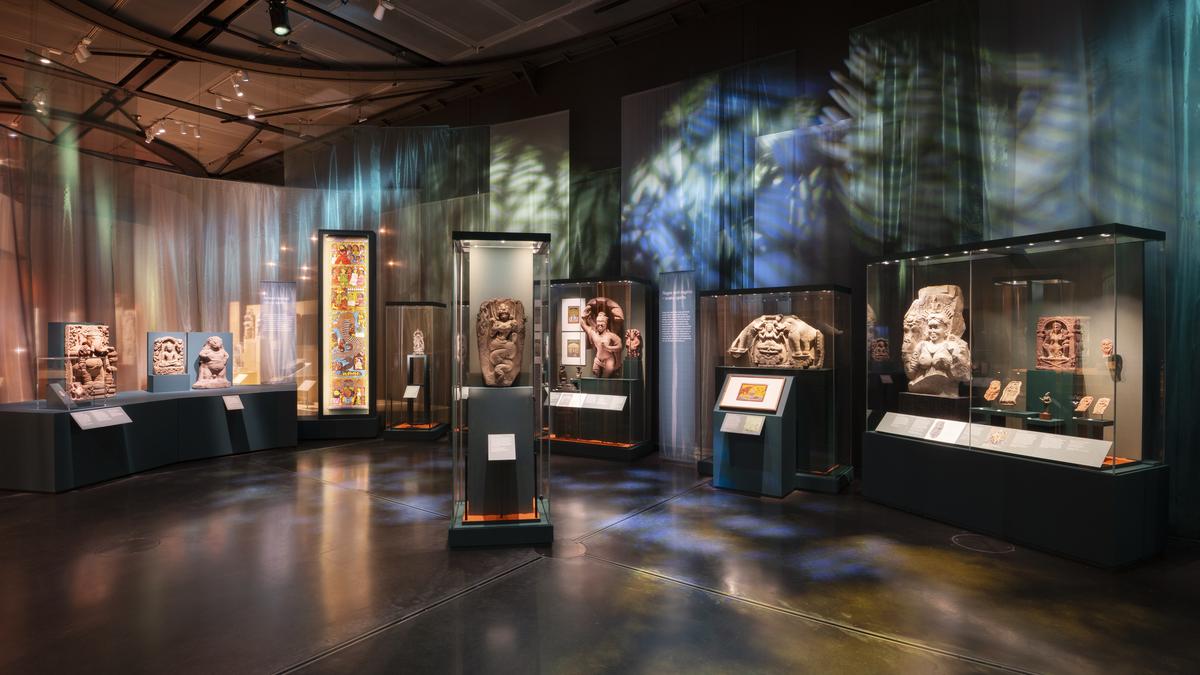
London, UK – October 24, 2025 – The recent “Ancient India: Living Traditions” exhibition at the British Museum in London, supported by Reliance Industries and Reliance Foundation, has ignited a renewed debate about the ethics of displaying culturally significant artifacts acquired during the colonial era. While the exhibition, which concluded on October 19th, aimed to educate visitors on the evolution of idol crafting in Hinduism, Buddhism, and Jainism over two millennia, it has also been criticized for sanitizing the history of cultural dispossession that brought these artifacts to the UK.
The exhibition showcased a vast collection of Indian idols, tracing their evolution and significance. However, critics argue that displaying these objects in London, far removed from their original context of worship and devotion, perpetuates a legacy of cultural theft. The presence of these idols in the British Museum is not accidental, but the result of colonial-era looting, forced gifts, and smuggling.
“Exhibitions like these are cultural scholarship layered over cultural dispossession,” wrote Sahibnoor and Lavanya in an article published in The Hindu, both legal professionals.
The authors point out the irony of celebrating Indian art in a museum that profits from artifacts acquired under morally questionable circumstances. They argue that the exhibition, while serving an educational purpose, failed to initiate a substantial dialogue on restitution and the importance of returning these idols to their rightful homes in India.
The article highlights the financial implications of the exhibition, with visitors paying for entry, catalogues, and souvenirs, effectively turning objects of communal offering into revenue streams for the British Museum. The authors cite the struggle faced by Indian museums, especially in remote areas, due to lack of funds and theft, as opposed to the British Museum’s ability to turn colonial acquisitions into financial capital.
The authors emphasize the need for a transparent framework for demanding restitution, building dialogue, and educating the public on the true significance of these artifacts, not just as objects of art but as embodiments of faith, history, and identity. They also encourage India to balance its position in institutions like the Commonwealth with the importance of cultural identity and cultural repatriation.
The authors highlight the potential of UNESCO’s virtual database of stolen objects, while noting its bareness. They insist for it to have the understanding of UNESCO’s 1970 ‘Convention on the Means of Prohibiting and Preventing the Illicit Import, Export and Transfer of Ownership of Cultural Property’ and create a comprehensive database of colonial era-looted cultural objects.
The exhibition has undoubtedly been a cultural event, but also serves as a reminder of the ongoing impact of colonialism and the need for museums to engage in a constructive dialogue about restitution.
About The Hindu:
- View From India: Offers an Indian perspective on world affairs.
- First Day First Show: Provides news and reviews from the world of cinema and streaming.
- Today’s Cache: Delivers a daily download of the top 5 technology stories.
- Science For All: A weekly newsletter demystifying science.
- Data Point: Decodes headlines with facts and figures.
- Health Matters: Ramya Kannan writes about health and wellness.
- The Hindu On Books: Features book reviews, excerpts, and new titles.
 First Piper