
Fri Oct 24 08:22:09 UTC 2025: Summary:
Delhi Chief Minister Rekha Gupta announced that cloud seeding is essential for reducing winter pollution levels. A test run was conducted in the Burari area using silver iodide and sodium chloride released from an aircraft. While the test was considered a success in assessing the cloud-seeding system’s capabilities and coordination, no artificial rain occurred due to low moisture levels (below 20%). The project, a collaboration between IIT-Kanpur and the Delhi government, is a series of five trials intended to explore artificial rainfall as a solution to Delhi’s air pollution problem.
News Article:
Delhi Tries Cloud Seeding in Fight Against Winter Smog
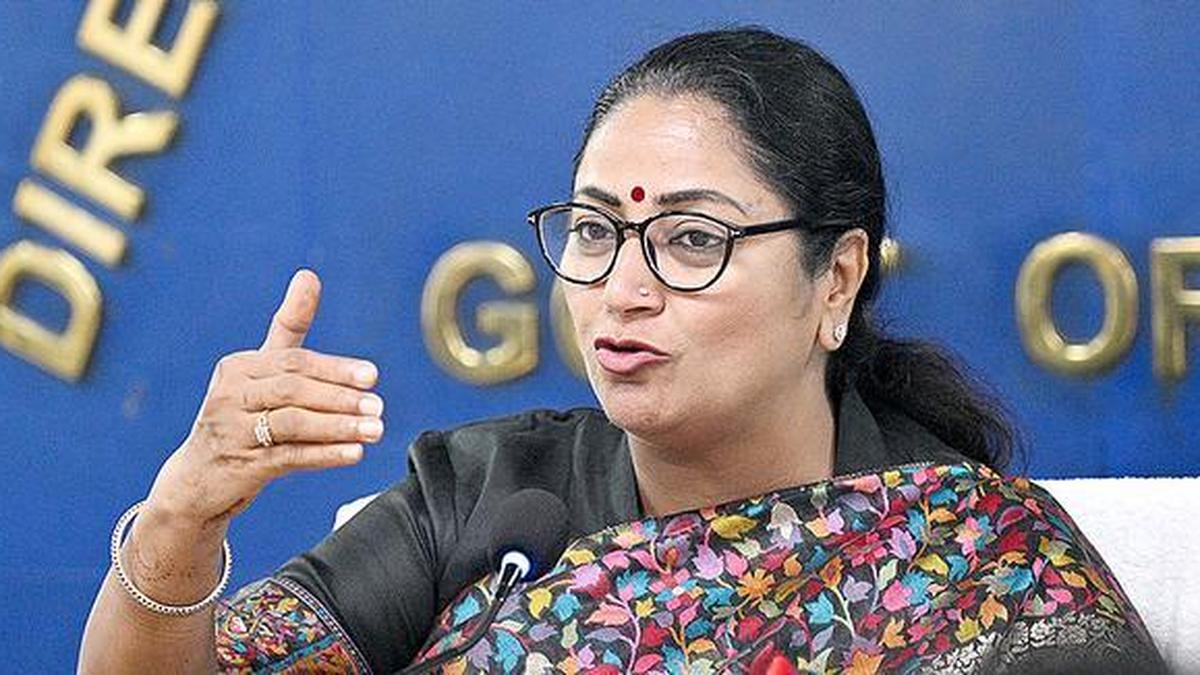
New Delhi, October 24, 2025 – In a novel approach to combat Delhi’s notorious winter pollution, Chief Minister Rekha Gupta has declared cloud seeding essential for improving air quality. A first-of-its-kind test run was conducted in the Burari area on Thursday, marking a significant step in the city’s fight against air pollution.
The experiment involved releasing small amounts of silver iodide and sodium chloride from an aircraft, compounds known to induce artificial rain. While the exercise served as a successful “proving mission” to evaluate the readiness of the technology and the coordination between agencies, it did not result in rainfall due to insufficient moisture in the atmosphere.
“Cloud seeding is something that has never happened before [in Delhi],” stated CM Gupta. “We want to carry out this trial over the city as it could help reduce air pollution. We believe this technology will be successful. It can be used to tackle environmental challenges in the future, especially those faced during the winter months.”
The cloud-seeding project is a collaboration between the Delhi government and IIT-Kanpur, which conducted the test and provided a report. Delhi Environment Minister Manjinder Singh Sirsa confirmed that the flight successfully assessed the system’s capabilities, aircraft endurance, and inter-agency coordination.
“This flight served as a proving mission to assess the capabilities for cloud seeding, the readiness and endurance of the aircraft, the functionality of the seeding equipment and flares, and the coordination among all the agencies involved.”
The initiative, with an approved budget of ₹3.21 crore, has faced prior delays due to unfavorable weather conditions. It aims to explore whether artificial rain can effectively reduce particulate pollution during the post-Diwali smog season. The Delhi Cabinet approved a proposal on May 7 to conduct five cloud-seeding trials in northwest Delhi.
Experts remain cautiously optimistic about the potential of cloud seeding. While the initial test did not produce rain, officials emphasized the importance of gathering data and refining the process for future trials. The success of the project hinges on identifying suitable weather conditions with adequate moisture levels to trigger artificial rainfall.
 First Piper