
Wed Oct 22 10:50:00 UTC 2025: Summary:
This article discusses the end of Daylight Saving Time (DST) in the United States in November 2025. It explains when DST ends, the history of DST, how to adjust children’s sleep schedules to the time change, states and territories that do not observe DST, potential health risks associated with DST, and provides tips for adjusting to the change.
News Article:
Daylight Saving Time Ends November 2, Bringing Extra Hour of Sleep and Earlier Sunsets
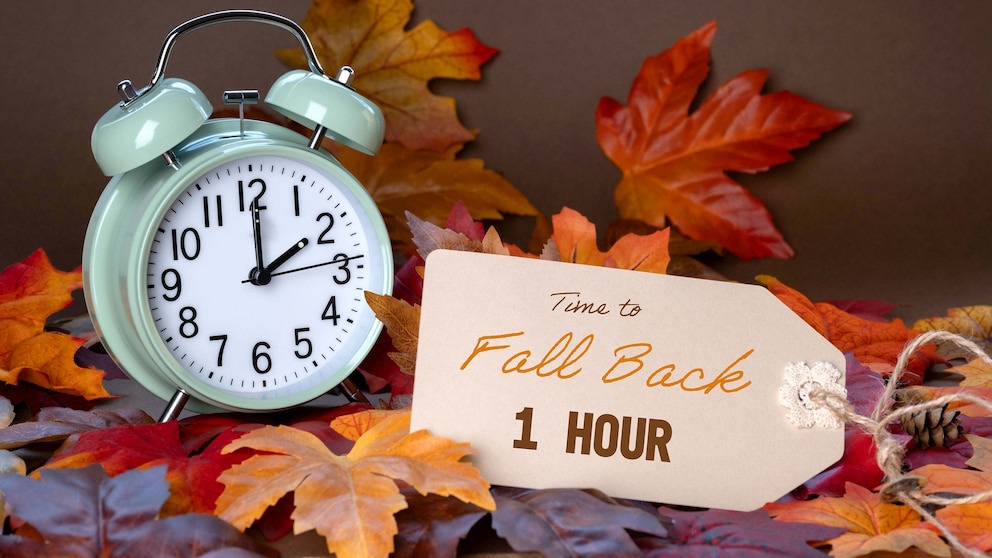
NEW YORK – Get ready to “fall back” and enjoy an extra hour of sleep! Daylight Saving Time (DST) will end on Sunday, November 2, 2025, at 2:00 AM, when clocks will roll back one hour. This means earlier sunsets and, for most Americans, a welcome bonus hour of slumber.
DST was first established in the U.S. in 1918 and has been modified several times since. The idea behind it was to maximize daylight hours and conserve energy. However, the practice remains controversial, with some health experts arguing that it disrupts our natural circadian rhythms.
For parents of young children, adjusting to the time change can be challenging. Parenting expert Ericka Souter recommends shifting schedules gradually, controlling morning light exposure, and making small changes leading up to November 2nd.
While most of the U.S. participates in DST, Hawaii and most of Arizona (excluding the Navajo Nation) do not. Similarly, American Samoa, Guam, the Northern Mariana Islands, Puerto Rico, and the U.S. Virgin Islands also do not observe DST.
The end of DST is often linked to potential health risks, including increased heart attacks, strokes, and mood disturbances. Medical professionals advise adjusting bedtime gradually, taking short naps if needed, and maximizing sunlight exposure during the day.
Legislation to make DST permanent across the U.S., known as the Sunshine Protection Act, has been introduced in Congress but has not yet been brought to a vote. Until then, be sure to set your clocks back on November 2nd and prepare for the changing seasons.
 First Piper