
Sun Oct 05 02:57:25 UTC 2025: **Summary:**
Sanae Takaichi has been elected leader of Japan’s Liberal Democratic Party (LDP), making her the first woman to hold the position and likely the next Prime Minister. Despite this milestone, Takaichi’s ultra-conservative views and history of prioritizing traditional roles for women have raised concerns about her potential impact on gender equality in Japan. Her strong emphasis on hard work and disregard for work-life balance has also sparked debate. Furthermore, her revisionist views on wartime history and hawkish stance on foreign policy could complicate Japan’s relationships with neighboring countries.
**News Article:**
**Ultra-Conservative Sanae Takaichi Breaks Barrier as First Female LDP Leader, Sparks Gender Equality Debate**
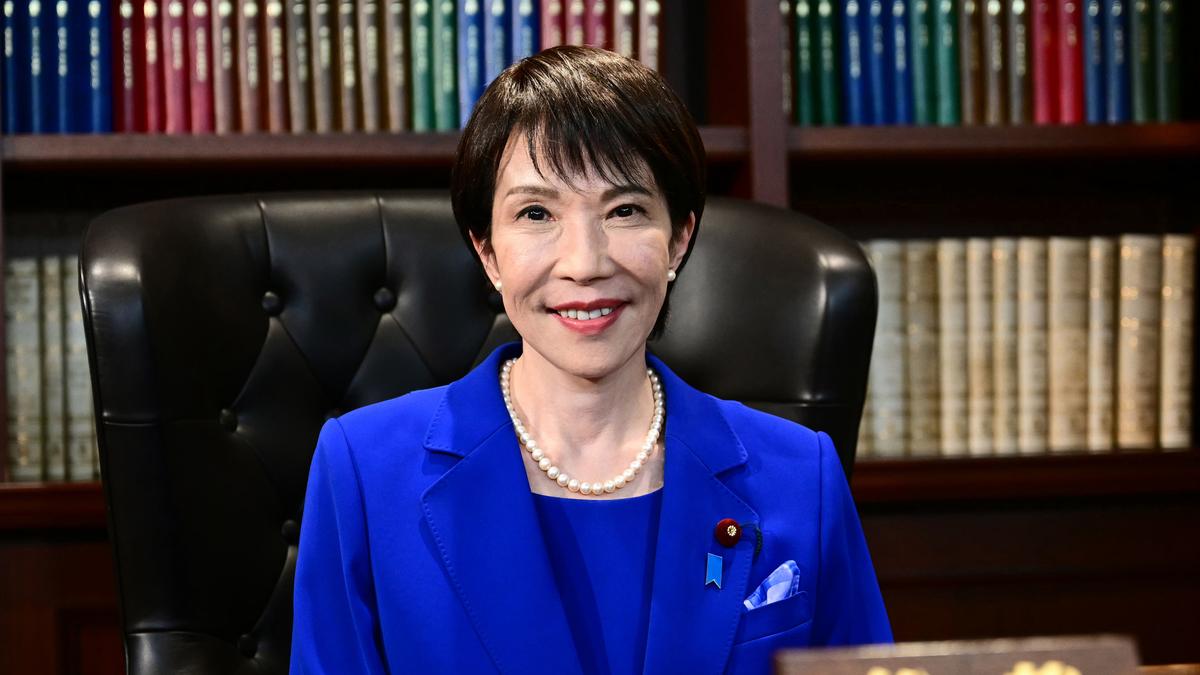
**Tokyo -** In a historic move, Sanae Takaichi has been elected leader of Japan’s ruling Liberal Democratic Party (LDP), marking the first time a woman has held the position. The 64-year-old, a staunch conservative and admirer of Margaret Thatcher, is now poised to become Japan’s next Prime Minister.
While her victory is a landmark achievement in a country struggling with gender equality, Takaichi’s views have sparked concerns. Critics argue that her focus on traditional roles for women and her association with male party heavyweights could hinder progress on gender equality. Her past roles, which include minister of economic security, internal affairs and gender equality, have not resulted in any significant actions towards gender equality.
During her campaign, gender issues were hardly touched upon. Her remark calling for party lawmakers to “work like a horse” and her statement that she will “abandon the word work-life balance” have drawn mixed reactions, with some praising her enthusiasm and others expressing concern about the impact on work culture.
Takaichi’s conservative stance extends to other areas, including her support for the imperial family’s male-only succession, opposition to same-sex marriage, and resistance to allowing married couples to have separate surnames.
Furthermore, her revisionist views on wartime history and hawkish stance on foreign policy are raising concerns about potential complications in Japan’s relationships with China and South Korea. Her views may also cause conflict with the LDP’s partner Komeito, a Buddhist-backed moderate party.
Despite her vows to increase the number of female Ministers in her government, experts suggest that her leadership may not necessarily translate into advancements for women in Japan due to the need to maintain loyalty to influential male figures within the party.
Sanae Takaichi’s leadership presents a complex picture – a historic breakthrough for women in Japanese politics coupled with concerns about the potential impact of her conservative views on gender equality and foreign policy. Only time will tell how her tenure will shape Japan’s future.
 First Piper