
Fri Oct 03 00:30:00 UTC 2025: ## Summary:
India’s rapid digital transformation has led to a surge in e-waste, making it the third-largest generator globally. A significant portion is processed informally, exposing vulnerable communities to toxic substances. This informal processing causes respiratory illnesses, neurological damage, and genetic impacts, especially affecting children. The existing regulations are inadequately enforced. A multi-pronged strategy involving formalizing the informal sector, strengthening enforcement, expanding medical surveillance, fostering innovation, and raising awareness is crucial to address this growing crisis.
## News Article:
**India Drowning in E-Waste: Informal Recycling Poses Grave Health Risks**
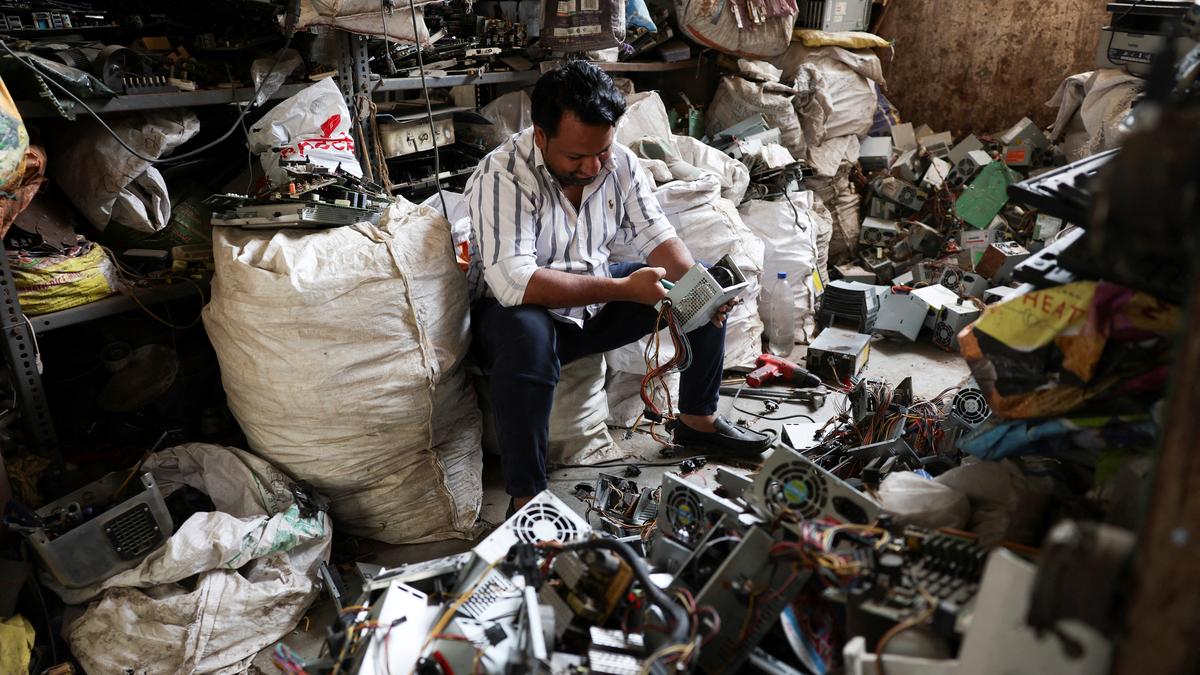
**New Delhi, October 3, 2025:** India’s digital boom is generating a silent crisis: a massive wave of electronic waste that’s being largely processed in the shadows, endangering the health of its most vulnerable citizens. A report published today highlights the alarming rise of e-waste in India, now the world’s third-largest producer, generating 2.2 million metric tonnes annually.
While the country boasts 322 registered recycling units, over half of India’s e-waste ends up in the hands of informal workers, often in slums and unregulated workshops. These individuals dismantle electronics using crude methods like open burning and acid leaching, exposing themselves and surrounding communities to a cocktail of over 1,000 toxic substances.
“The convenience of smartphones and smart homes is coming at a devastating cost,” warns Dr. Sudheer Kumar Shukla, an environmental scientist and author of the report. “Informal recycling practices are releasing dangerous levels of pollutants, causing severe respiratory illnesses, neurological damage, and genetic impacts, particularly on children.”
Studies show that workers in these informal settings suffer from alarmingly high rates of respiratory ailments, skin disorders, and neurological problems due to exposure to heavy metals like lead and mercury. Children are particularly vulnerable, with studies linking e-waste exposure to impaired brain development and reduced IQ.
Experts are calling for urgent action. The E-Waste (Management) Rules, 2022, aimed to address the problem, but enforcement remains weak. Critics argue that the regulations are not effectively reaching the informal sector, where most e-waste is processed.
To combat this growing crisis, the report recommends a comprehensive strategy:
* **Formalizing the Informal Sector:** Integrating informal workers into the regulated sector with proper training, equipment, and healthcare.
* **Strengthening Enforcement:** Empowering pollution control boards and implementing digital tracking systems for e-waste.
* **Expanding Medical Surveillance:** Establishing health camps and conducting long-term studies in e-waste hotspots.
* **Fostering Innovation:** Supporting research and development of affordable and decentralized recycling technologies.
* **Raising Awareness:** Educating the public about the dangers of e-waste and promoting responsible disposal.
India faces a critical choice: continue down a path of unsustainable growth or embrace a future where technological advancement doesn’t come at the expense of public health and environmental safety. The time for action is now, before the e-waste mountain buries the nation’s most vulnerable.
 First Piper